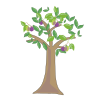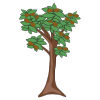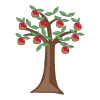
Apple trees are hardy, deciduous trees prized for their beauty, longevity, and delicious fruit. In spring, they burst into bloom with clusters of delicate white or pale pink flowers that attract pollinators and signal the start of the growing season. As summer progresses, the blossoms give way to developing fruit, which matures in a wide range of colours — from bright green and golden yellow to deep red — depending on the variety.
With their spreading branches and textured bark, apple trees add lasting character to gardens and orchards alike. They thrive in temperate climates, requiring a period of winter cold (known as chilling hours) to break dormancy and initiate flowering, as well as plenty of sunlight during the growing season. Most varieties benefit from cross-pollination with another compatible apple variety, so planting at least two trees close together is generally recommended.
Beyond their ornamental appeal, apple trees have long held cultural and practical significance across many traditions, symbolising health, abundance, and the rhythms of the seasons. The fruit can be enjoyed fresh, pressed into juice or cider, baked into desserts, or preserved as jams, jellies, and dried slices. With the right variety selection and a little annual care, an apple tree can become one of the most rewarding long-term investments in any garden.
How To Grow
Choosing a Variety
Select a variety suited to your local climate. Most apple varieties require a period of winter cold (chilling hours) to fruit reliably — check the chilling hour requirement of your chosen variety. Many apple trees also require a compatible pollination partner, so plant at least two varieties that flower at the same time, or ensure a compatible tree is nearby.
Choosing a Location
Apple trees need a position in full sun — at least 6–8 hours of direct sunlight daily. Avoid low-lying frost pockets where cold air settles in spring, as late frosts can damage blossom and reduce fruit set. Shelter from strong prevailing winds will also help protect flowers and developing fruit.
Soil Preparation
Apple trees prefer well-drained, fertile soil with a slightly acidic to neutral pH (around 6.0–7.0). Improve heavy clay soils with organic matter before planting. Avoid waterlogged sites, as this can cause root rot.
Planting
- Plant bare-root trees during dormancy (late autumn to early spring); container-grown trees can be planted any time the ground is workable.
- Dig a hole wide enough to accommodate the full root spread without cramping.
- Ensure the graft union (the swollen join near the base of the trunk) sits above soil level.
- Backfill with soil, firm in gently, water thoroughly, and apply a mulch around the base, keeping it clear of the trunk.
- Stake young trees for the first 2–3 years until established.
Watering
Water deeply and regularly during the first 2 years while the tree establishes. Mature trees generally manage on natural rainfall but benefit from watering during prolonged dry spells, especially when fruit is swelling.
Feeding
Apply a balanced fertiliser in early spring before growth begins. Avoid excessive nitrogen, which promotes leafy growth at the expense of fruit production.
Pruning
Prune annually during late winter while the tree is dormant. Remove dead, damaged, or crossing branches to improve air circulation and light penetration. Shape the tree to an open-centred or modified leader form to maximise fruit-bearing wood and reduce disease pressure.
Thinning Fruit
After the natural 'June drop', thin clusters to one or two fruits per spur to encourage larger, better-quality apples and reduce the risk of biennial bearing (alternating heavy and light cropping years).
Harvesting
When to Harvest
The harvest season for apples varies considerably by variety, ranging from mid-summer through to late autumn. Check the expected ripening period for your specific variety. Signs of readiness include:
- Full colour development for that variety
- A firm but not rock-hard texture
- A sweet, characteristic aroma at the base of the fruit
- Dark brown seeds inside when cut open
- The apple separates easily from the spur with a gentle lift and twist
How to Pick
Cup the apple in your hand, lift it upward, and give a gentle twist. A ripe apple will detach cleanly. Avoid pulling straight downward, as this risks damaging the fruiting spurs that will produce next year's crop. Leave the stem attached to the fruit to extend storage life.
Handling with Care
Handle harvested apples gently to avoid bruising. Place them carefully into a padded basket or crate — do not drop or stack heavily. Harvest on a dry day where possible to reduce the risk of mould during storage.
Sorting and Storing
- Sort fruit immediately: set aside any bruised, damaged, or pest-affected apples and use these first.
- Store only healthy, unblemished apples for long-term keeping.
- Store in a cool, dark, and slightly humid environment — ideally just above freezing.
- Wrap individual apples in paper or store in slatted trays in a single layer to prevent rot spreading.
- Early varieties store for only a few weeks; late-season varieties can keep for several months under good conditions.
- Keep apples away from strong-smelling produce, as they absorb odours readily.
After Harvest
Clear fallen fruit from around the base of the tree promptly, as rotting apples harbour pests and diseases that can affect next season's crop.
Common Problems
Common Pests
Aphids (including Woolly Aphid) Apple trees can be attacked by several aphid species. Woolly aphid produces white, waxy tufts on bark and stems. Colonies weaken young growth and can introduce fungal disease. Encourage natural predators such as ladybirds and lacewings, or use an approved insecticidal soap.
Codling Moth The larvae tunnel into developing fruit, causing the classic 'maggoty apple'. Use pheromone traps to monitor adult moth activity and time any control measures accordingly. Sticky barrier bands around the trunk can also help intercept crawling larvae.
Apple Sawfly Sawfly larvae cause a ribbon-like scar on the fruit's surface and can cause premature fruit drop. Inspect developing fruitlets shortly after petal fall.
Winter Moth Caterpillars Caterpillars can cause significant damage to opening buds and young leaves in spring. Grease or sticky barrier bands fitted around the trunk in autumn prevent wingless females from climbing up to lay eggs.
Common Diseases
Apple Scab A fungal disease causing dark, scabby patches on fruit and leaves. Favoured by wet spring weather. Choose scab-resistant varieties where possible, rake up and destroy fallen leaves, and ensure good air circulation through regular pruning.
Powdery Mildew A white, powdery coating appears on young shoots, leaves, and flower buds in dry conditions. Remove affected growth promptly and avoid over-feeding with nitrogen.
Brown Rot (Monilinia) A fungal disease causing fruit to turn brown and develop concentric rings of white or grey spore pustules. Remove and destroy affected fruit promptly — do not compost. Avoid injury to fruit when harvesting.
Canker (Neonectria) Sunken, discoloured patches of bark that gradually expand and girdle branches. Cut out affected wood well below the visible infection point and dispose of it away from the garden. Improve drainage and air circulation to reduce risk.
Bitter Pit A physiological disorder causing small, sunken, brown spots in the flesh, linked to calcium deficiency and irregular watering. Maintain consistent soil moisture and ensure adequate nutrition.