How to Start and Plan Your Allotment in 2026: The Complete UK Guide

From joining the waiting list to harvesting your first crops, VegPlotter helps you design, organise and manage your allotment with confidence, whether you're a complete beginner or a seasoned plot holder.

No download required. Free version allows you to plan unlimited allotment layouts and up to 20 plantings each year.

How to Start Your Allotment in 2026: A 5-Step Guide

Everything you need to go from the waiting list to a productive plot:

  1. Get an allotment: Join your local council or allotment association waiting list and learn what to look for when a plot becomes available.
  2. Assess your new plot: Evaluate the condition of your allotment, identify what's already there, and make a plan for tackling overgrown areas.
  3. Plan your allotment layout: Design your paths, beds and structures while considering water access, tool storage and maximising your growing space.
  4. Decide what to grow: Choose beginner-friendly crops suited to the UK climate and your available time. Don't try to grow everything in your first year!
  5. Create your planting schedule: Use VegPlotter to generate a personalised month-by-month calendar so you never miss a sowing or planting date.

Step 1: How to Get an Allotment in the UK

The first step on your allotment journey is actually securing a plot. Demand for allotments in the UK has surged in recent years, with some areas reporting waiting lists of 5 years or more. But don't be discouraged, there are ways to improve your chances.

Finding Your Local Allotment Sites

Most allotments in England and Wales are managed by local councils, though many are run by independent allotment associations or parish councils. Start by contacting your local authority. Search for "[your town] allotment waiting list" or check your council's website. Don't limit yourself to one list; join several in your area to increase your chances.

What to Expect on the Waiting List

Waiting times vary enormously. Urban areas like London can have waits of 10+ years, while rural areas might have plots available immediately. Some tips to move up the list faster:

  • Ask to be considered for half plots (usually 5 poles/125m²) rather than full plots. They come up more often
  • Be flexible about which site you'll accept
  • Some associations prioritise local residents, so check if proof of address helps
  • Visit the site office regularly to show your commitment

Viewing Available Plots: What to Look For

When you're offered a plot, you'll usually get a chance to view it first. Don't feel pressured to accept the first plot offered. It's worth considering:

  • Condition: Is it overgrown? A plot covered in waist-high weeds isn't necessarily bad (the soil is often excellent underneath), but factor in the clearing work
  • Water access: How far is the nearest standpipe or water trough? Hauling watering cans 100 metres gets old quickly
  • Sun exposure: Are there large trees or buildings casting shade? Most vegetables need 6+ hours of direct sunlight
  • Security: Is the site gated? Is there a history of theft or vandalism?

Pro Tip: While you're on the waiting list, start planning! Use VegPlotter to design your dream allotment layout so you're ready to hit the ground running when your plot comes through.

Plan While You Wait

On the waiting list? Use VegPlotter to experiment with different allotment layouts and research what you want to grow, so you're fully prepared when your plot comes through.

Start Planning for Free

Step 2: How to Assess Your New Allotment Plot

Congratulations! you've got the keys to your plot! Before you start digging, take time to properly assess what you're working with. Many new allotment holders make the mistake of diving straight in without a plan, only to regret their hasty decisions later.

Understanding Your Plot's History

If possible, speak to neighbouring plot holders or the site secretary about your plot's history. Has it been neglected for years? Was the previous tenant a keen gardener who left behind established fruit bushes or perennial herbs? Knowing what's been grown there before can help you plan crop rotation and identify any problem areas.

Dealing with an Overgrown Plot

Many new allotmenteers inherit plots that look like jungle clearings. Don't panic, and definitely don't try to clear everything at once. A sensible approach:

  • Identify what's worth keeping: That "weed" might be an established rhubarb crown or asparagus bed
  • Clear in sections: Start with a manageable area (perhaps a quarter of the plot) and get that productive before tackling the rest
  • Cover unused areas: Lay cardboard or old carpet over sections you can't tackle yet to suppress weeds and improve soil
  • Don't rotavate perennial weeds: Bindweed, couch grass and horsetail will multiply if you chop up their roots

Mapping Existing Features

Walk your plot with a notebook (or your phone) and record everything: existing paths, sheds, fruit trees, water butts, compost bins, and any permanent structures. Note where the sun rises and sets, and which areas get shaded during the day. This information is invaluable when you come to plan your layout.

Checking Soil Quality

Dig a few test holes around your plot. Is the soil heavy clay that clumps together, or light and sandy? Does water drain away quickly or pool on the surface? Most UK allotment soil benefits from regular additions of organic matter, compost, well-rotted manure or leaf mould. Regardless of its starting condition.

Pro Tip: Take photos of your plot from all angles before you start any work. You'll be amazed how motivating it is to look back at the "before" pictures once you've transformed the space!
Measure Your Plot

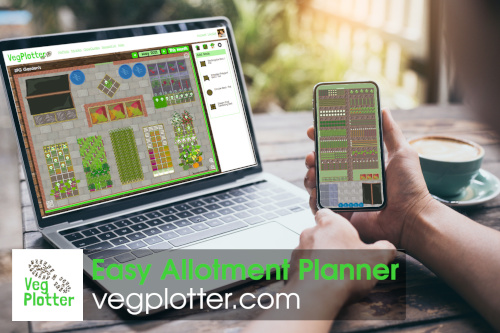
A standard UK allotment is 10 poles (250m²), but sizes vary. Pace out your plot's dimensions and enter them into VegPlotter (enter number of poles or rods and vegplotter will convert it for you 😎) to create an accurate scale plan you can build on year after year.

Create Your Scale Plan

Step 3: How to Plan Your Allotment Layout

A well-planned allotment layout will save you time and effort for years to come. This is where you transform your assessment notes into a practical design that maximises your growing space while keeping maintenance manageable.

Planning Your Path Network

Paths are often an afterthought, but they're crucial for a functional allotment. Consider:

  • Main paths: At least 60cm wide to allow wheelbarrow access. You'll be grateful when moving compost or harvesting potatoes
  • Secondary paths: 30-40cm between beds is enough for foot access and hoeing
  • Materials: Woodchip, bark mulch, or grass paths are common; avoid gravel (it migrates into beds) and slabs (expensive and heavy to move)

Bed Sizing and Orientation

For most allotmenteers, beds no wider than 1.2 metres (4 feet) work best. You can reach the centre from either side without stepping on the soil. Orienting beds north-south gives the most even sun exposure, though this matters less than avoiding shade from nearby structures.

Positioning Key Structures

Think carefully about where to place permanent features:

  • Shed/tool store: Near the entrance saves carrying tools across the plot, but consider security
  • Compost bins: Somewhere accessible but not in prime growing space. A shady corner works well
  • Water butts: Position to collect runoff from your shed roof, close to beds that need frequent watering
  • Fruit cage/greenhouse: These need full sun, so plan around them

Experienced Plotters: Time for a Refresh?

If you've had your allotment for years, using a planning tool like VegPlotter can help you rethink layouts that have evolved haphazardly. Sometimes moving a path or reorganising beds can dramatically improve workflow and productivity.

Pro Tip: Don't try to cultivate every square inch in your first year. It's better to have a small, well-maintained productive area than a large, weedy mess. You can expand as your skills and available time increase.

Try Different Layouts

Not sure what arrangement works best? Use VegPlotter to duplicate your plan and experiment with different bed shapes and path layouts before committing to any digging.

Design Your Layout

Step 4: What to Grow on Your Allotment

One of the most exciting, and overwhelming, decisions for new allotment holders is choosing what to grow. Seed catalogues are seductive, but filling your basket with exotic varieties is a recipe for disappointment. Start with reliable crops and expand as you gain experience.

Best Crops for Beginners

These vegetables are forgiving, productive, and well-suited to the UK climate:

  • Courgettes: Almost impossible to fail; one or two plants will keep you (and your neighbours) supplied all summer
  • Runner beans: A British allotment staple; they climb, saving space, and crop prolifically
  • Potatoes: Great for breaking in new ground and clearing weeds; very satisfying to harvest
  • Salad leaves: Quick to mature, can be sown successionally, and expensive to buy in shops
  • Onions and garlic: Plant sets in autumn or spring and forget about them until harvest
  • Beetroot: Easy to grow, stores well, and the leaves are edible too

Crops to Approach with Caution

Some vegetables need more attention or specific conditions:

  • Tomatoes: Wonderful when they work, but outdoor varieties can suffer in wet UK summers; consider a greenhouse or polytunnel
  • Brassicas (cabbage, broccoli, sprouts): Require netting against pigeons and butterflies, and occupy space for a long time
  • Sweetcorn: Needs heat, takes up a lot of room, and must be planted in blocks for pollination

Growing for Your Lifestyle

Be honest about how much time you can spend at the plot. If you can only visit once a week, avoid crops that need daily picking (like climbing beans at their peak) or constant watering. Consider:

  • Crops that store well (squash, onions, roots)
  • Low-maintenance perennials (rhubarb, asparagus, fruit bushes)
  • Self-watering systems for thirsty crops

Pro Tip: Grow what you actually eat! There's no point dedicating half your plot to cabbages if your family won't touch them. Focus on vegetables that are expensive to buy or taste dramatically better home-grown.

Build Your Crop List

VegPlotter includes growing information for hundreds of vegetables, automatically adjusted for your local UK climate. Save your favourites to quickly add them to your plans.

Explore Crops to Grow

Step 5: Creating Your Allotment Planting Schedule

You've got your plot, assessed it, planned your layout, and chosen your crops. Now comes the part that trips up many allotmenteers: timing. Sow too early and seedlings rot in cold soil; sow too late and crops don't mature before autumn frosts. Getting it right is the difference between a productive plot and a frustrating season.

Understanding the UK Growing Season

The UK's maritime climate means our growing season varies significantly by location. A plot in Cornwall might be frost-free by early April, while allotments in Scotland could see frosts into late May. Key dates to know:

  • Last spring frost: When it's safe to plant out tender crops like courgettes and beans
  • First autumn frost: When tender crops will be killed and you need to harvest
  • Soil temperature: Many seeds won't germinate in cold soil, regardless of air temperature

Month-by-Month Planning

Rather than trying to remember everything, a month-by-month planting calendar keeps you organised throughout the year. VegPlotter automatically generates this for you based on your location, but the general UK pattern looks like:

  • January-February: Planning, ordering seeds, chitting potatoes
  • March-April: Sowing under cover, planting onion sets, early potatoes
  • May-June: Planting out after last frost, successional sowing
  • July-August: Harvesting, watering, sowing winter crops
  • September-October: Main harvest, planting garlic, clearing spent crops
  • November-December: Digging, mulching, planning next year

Succession Sowing

One of the secrets to a productive allotment is succession sowing. Planting small amounts regularly rather than everything at once. Sow a short row of lettuce every 2-3 weeks from April to August, and you'll have fresh salad all season rather than a glut followed by nothing.

Pro Tip: Check your VegPlotter planting schedule at the start of each month. Knowing exactly what needs sowing, planting out, or harvesting takes the guesswork out of allotment gardening and ensures you never miss the optimal window.

Automated Scheduling

Never miss a planting date again. VegPlotter creates a personalised calendar based on your location, telling you exactly when to sow, plant out, and harvest each crop.

See How It Works

Get organised with VegPlotter! The easiest way to plan your allotment

We want you to triumph and deliver your most organised and productive allotment ever!

No more forgetting what you wanted to plant, when or where. Design your allotment in minutes using our intuitive drag-and-drop interface, then plan out your planting calendar as far into the future as you want.

Whether you're a complete beginner who's just got the keys to your first plot, or an experienced allotmenteer looking to get better organised, VegPlotter helps you make the most of your growing space.


What allotment holders have said...

"Fantastic! I'm thrilled. You've done truly excellent work and made a tool that has made gardening loads easier."

VC Smith

"I just discovered your website over the weekend to plan my garden! It was very user friendly and helpful!!"

S Watkins

"Thanks so much for that great app (saving lots of paper!). We are using it to plan all our garden this year and so far it's been quite a success."

Anonymous


It's as simple as...

Icon showing a roll of twine for measuring your allotment

Measure out your plot

Using some twine or counting strides will quickly give you rough measurements of your allotment and beds

Shed and water butt icon from VegPlotter

Add beds, paths and structures

Use the simple drag and drop interface to recreate your allotment layout

Plant icon outlines from VegPlotter

Plan your planting year

Plan your allotment month by month, adding plants as they go in or planning months ahead

Graphic showing checklist of planting jobs

Check your plans

Use your smartphone to check and update your monthly plans while you're at the allotment

Simple drag and drop interface

Easy for everyone to use! Have your allotment planned in minutes.

Features for Allotment Holders...

Month-by-Month Planning

Plan all aspects of your allotment as far into the future as you need—from when to sow seeds, to when to put up bean poles or fleece.

Perfect for allotmenteers who can only visit at weekends and need to plan ahead.

Companion Planting

Our Allotment Planner shows you which plants grow well together.

Select a plant on your plan and see a list of good companions—great for maximising space in intensive beds.

Crop Rotation Warnings

Avoid plant pests and diseases by rotating your crops properly.

VegPlotter warns you if you're planning to put brassicas, potatoes or other family groups in the same bed too soon.

Plot Journal

Track your allotment's progress by adding notes and photos to your plan throughout the season.

Photograph seed packets so you never forget planting instructions or variety names.

Works with the latest web browsers...

Icons of all the popular browsers that VegPlotter supports

...On desktop, laptop, tablet and mobile

Icons for desktop, laptop, tablet and mobile showing that VegPlotter works on each

Plan on your computer at home, then check your schedule on your phone while you're at the allotment.