Asparagus
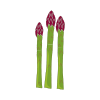
Asparagus (Asparagus officinalis) is a hardy, long-lived perennial vegetable prized for its tender young spears, which emerge in early spring from established underground crowns. The spears range in colour from rich green to pale ivory (when blanched) or deep purple, depending on the variety, and are celebrated for their delicate, distinctive flavour.
Once a bed is established, asparagus can remain productive for 15 to 20 years or more, making it one of the most rewarding investments a gardener can make. After the harvest season ends, the spears are allowed to develop into tall, feathery ferns that photosynthesize and store energy in the crown for the following year's harvest.
Asparagus thrives in well-drained, fertile soil in a sunny, sheltered position. It is remarkably frost hardy, with established crowns surviving temperatures as low as -20°C. The plant is highly nutritious, rich in vitamins K, C, and folate, as well as dietary fibre and antioxidants, making it a valuable addition to both the garden and the kitchen.
How To Grow
How to Grow Asparagus
Choosing a Site
Select a sunny, open position receiving at least 6–8 hours of direct sunlight daily. Asparagus is a long-term perennial crop, so choose a bed where it can remain undisturbed for many years. Avoid frost pockets if possible, as emerging spring spears can be damaged by late frosts.
Soil Preparation
Asparagus demands well-drained, deeply cultivated soil. Before planting, dig the bed to a depth of 30–45 cm and incorporate generous amounts of well-rotted compost or manure. Aim for a soil pH of 6.5–7.5 (slightly acidic to neutral). Raised beds are ideal in areas with heavy or poorly drained soils.
Planting Crowns
The easiest and most reliable method is to plant one-year-old crowns in early spring, as soon as the ground can be worked.
- Dig trenches approximately 20–30 cm deep and 30–45 cm wide.
- Space crowns 30–45 cm apart within the trench, with rows 45–90 cm apart.
- Place crowns with buds facing upward, spreading the roots out evenly.
- Cover with 5–8 cm of soil initially, then gradually fill the trench as shoots emerge.
Growing from Seed
Asparagus can be grown from seed, but this adds an extra year before transplanting. Sow seeds indoors at 18–30°C, grow seedlings on for a full season, then transplant the following spring.
Watering
Water regularly, particularly during the first two years while crowns establish. Keep soil consistently moist but never waterlogged. Once established, asparagus is moderately drought tolerant.
Feeding
Apply a balanced general-purpose fertiliser or top-dress with compost in early spring before spears emerge. Feed again after the harvest period ends to support fern growth and crown development.
Weed Control
Keep beds meticulously weed-free, especially in the first few years. Competing weeds will significantly reduce yields. Apply a generous layer of mulch to suppress weeds and retain moisture.
Patience
- Year 1: Do not harvest. Allow all spears to develop into ferns.
- Year 2: Harvest lightly for 2–3 weeks only.
- Year 3 onward: Full harvest for 6–8 weeks each spring.
Autumn and Winter Care
Once the ferns turn yellow in autumn, cut them back to ground level. Apply a mulch of compost or straw over the bed to protect crowns and add nutrients over winter.
Harvesting
Harvesting Asparagus
When to Start Harvesting
Patience is essential with asparagus:
- Year 1: Do not harvest — allow all spears to develop into ferns.
- Year 2: Harvest lightly for no more than 2–3 weeks.
- Year 3 and beyond: Full harvest season of 6–8 weeks each spring.
Spears are ready to cut when they are 15–20 cm (6–8 inches) tall, with tips still tightly closed. In warm weather, spears can grow several centimetres in a single day, so check beds daily.
How to Harvest
- Knife method: Use a sharp knife to cut the spear at ground level or 2–3 cm below the soil surface.
- Snap method: Grasp the spear near the base and bend — it will naturally snap at the point where tenderness ends and woodiness begins. This is the quickest method and requires no tools.
Harvest Frequency
During peak season, harvest every 1–2 days to prevent spears from becoming tough, stringy, or opening into fern fronds. Overgrown spears are still edible but less pleasant in texture.
When to Stop
Stop harvesting when the majority of emerging spears are noticeably thinner than a pencil. This is a sign the crown's energy reserves are diminishing. Allow all remaining spears to grow into ferns.
After Harvest
Once harvesting ends, water and feed the bed well. Allow ferns to grow fully throughout summer and autumn — this is critical for replenishing the crown's energy stores and ensuring a productive harvest the following year.
Common Problems
Common Asparagus Problems
Asparagus Beetle
The asparagus beetle (Crioceris asparagi) is one of the most common pests. Both adults and larvae feed on spears and ferns, causing yellowing, defoliation, and scarring of spears. Hand-pick beetles and larvae when numbers are low, or use an appropriate insecticide if infestations are severe. Remove and dispose of plant debris in autumn to reduce overwintering populations.
Fusarium Crown and Root Rot
Caused by Fusarium fungal species, this disease leads to browning and decay of crowns and roots, poor spear emergence, and plant death. It is most common in poorly drained or waterlogged soils. Improve drainage, avoid replanting asparagus in the same bed, and choose resistant varieties where possible.
Slugs and Snails
Young emerging spears can be damaged by slugs and snails, especially in cool, wet springs. Use organic slug pellets, traps, or barriers. Keeping the bed well-weeded reduces hiding spots.
Violet Root Rot
A fungal disease causing violet-coloured mycelium on roots and crowns, leading to decline. Maintain well-drained, slightly acidic to neutral soil and practice good crop rotation with other beds.
Rust (Puccinia asparagi)
Asparagus rust appears as orange or reddish-brown pustules on ferns. It can weaken plants and reduce crown energy storage. Remove affected ferns promptly and choose rust-resistant varieties.
Poor Spear Production
Often caused by harvesting too heavily in early years, insufficient feeding, waterlogging, or weed competition. Allow ferns to grow fully after harvest season to replenish crown energy reserves.