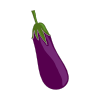
Aubergine, also known as eggplant or brinjal, is a warm-season vegetable prized for its glossy skin, rich colour, and remarkable culinary versatility. The plant produces broad, velvety leaves and striking purple, star-shaped flowers that develop into elongated or round fruits. Depending on the cultivar, aubergines range in colour from deep purple and violet to white, green, and attractively striped varieties.
Thriving in sunny conditions with fertile, well-drained soil and consistently warm temperatures, aubergines grow as bushy, upright annuals reaching 60–90 cm in height. The creamy flesh is mildly flavoured and becomes tender and wonderfully absorbent when cooked, making it ideal for grilling, roasting, frying, stuffing, and slow-cooked stews.
Widely used in cuisines across the globe, aubergine is appreciated not only for its taste and texture but also for its nutritional profile — providing dietary fibre, vitamins B1, B6, and K, potassium, and powerful antioxidants including nasunin. As a member of the nightshade family (Solanaceae), it is closely related to tomatoes, peppers, and potatoes.
How To Grow
How to Grow Aubergines
1. Choose the Right Conditions
Aubergines are heat-loving plants that need full sun (at least 6–8 hours daily) and warm temperatures between 20–30°C to thrive. They grow best in fertile, well-drained soil enriched with compost or well-rotted manure. In cooler climates, growing under glass or in a polytunnel significantly improves results.
2. Sowing Seeds
Start seeds indoors 8–10 weeks before the last expected frost date. Sow seeds approximately 0.5–1 cm deep in seed-starting compost. Maintain a soil temperature of 20–30°C for best germination — a propagator or heat mat is very helpful. Germination typically takes 7–14 days. Keep the growing medium consistently moist but not waterlogged.
3. Transplanting Seedlings
Transplant seedlings into larger pots when they have at least two true leaves. Move plants outdoors only after all risk of frost has passed and night temperatures remain above 15°C. Harden off seedlings gradually over 7–10 days to acclimatise them to outdoor conditions. Space plants 60 cm apart in all directions to allow good air circulation.
4. Watering
Water regularly to keep the soil evenly and consistently moist. Inconsistent watering can cause blossom drop and bitter fruit. Applying a layer of mulch around plants helps retain soil moisture and warmth, and suppresses weeds.
5. Feeding
Once plants begin to flower, feed every 2–3 weeks with a high-potassium liquid fertilizer to support fruit development. A balanced general-purpose feed can be used during the early vegetative stage.
6. Support and Pruning
Taller varieties may need staking as fruits become heavy and can cause stems to snap. Pinch out the growing tips once plants reach about 30–40 cm in height to encourage bushier branching and more fruit. Remove yellowing or damaged leaves to improve airflow and reduce disease risk.
7. Pollination
Aubergines are partially self-fertile but benefit from pollinator activity. In enclosed environments, gently shake the flowers or use a soft brush to transfer pollen and improve fruit set.
8. Pest and Disease Management
Monitor plants regularly for aphids, flea beetles, spider mites, and whitefly. Use fine mesh netting, insecticidal soap, or natural predators to manage pest populations. Rotate crops annually to reduce the risk of soil-borne diseases.
Harvesting
Harvesting Aubergines
When Are They Ready?
Aubergines are ready to harvest when the fruit is full-sized for the variety, firm to the touch, and has a glossy, shiny skin. Dull, wrinkled, or soft skin is a sign that the fruit is overripe and the flesh may have become seedy and bitter. As a general guide, fruits are ready 20–30 days after the flowers open.
A reliable way to test ripeness is to gently press the skin with your thumb — if it springs back, the fruit is ready. If the indentation remains, the fruit may still be slightly underripe.
How to Harvest
- Use sharp scissors or pruning shears — never pull fruit by hand as this can damage the plant.
- Cut the stem just above the calyx (the leafy cap), leaving a short section of stem attached to the fruit. This helps prolong storage life.
- Wear gloves when harvesting, as some varieties have small spines on the stem and calyx.
Harvest Regularly
Picking fruits promptly as they ripen encourages the plant to continue producing. Leaving overripe fruits on the plant signals it to slow production. During peak season, check plants every few days.
Storing After Harvest
Aubergines are best consumed fresh within a few days of picking. Store at 10–13°C — avoid prolonged refrigeration, as temperatures below 10°C can cause chilling injury, resulting in soft, discoloured flesh. Do not store near ethylene-producing fruits such as apples or tomatoes, as this accelerates deterioration.
Common Problems
Common Aubergine Problems
Pests
- Aphids — Clusters of small insects on new growth and undersides of leaves. They weaken plants and excrete sticky honeydew. Blast off with water, introduce natural predators, or apply an insecticidal soap spray.
- Flea Beetles — Tiny beetles that create small round holes in leaves, particularly on young seedlings. Use fine mesh netting to exclude them and consider sticky traps.
- Spider Mites — Barely visible mites that cause stippled, yellowing foliage, often with fine webbing. They thrive in hot, dry conditions. Increase humidity and use miticide sprays if populations are high.
- Whitefly — Small white-winged insects found on leaf undersides. They weaken plants and spread disease. Use yellow sticky traps and insecticidal soap.
- Thrips — Cause silvery streaking on leaves and can distort fruit. Use blue sticky traps and neem oil as a control.
Diseases
- Verticillium Wilt — A soil-borne fungal disease causing yellowing, wilting, and plant collapse. Avoid growing aubergines in the same spot in consecutive years. There is no cure; remove and destroy affected plants.
- Botrytis (Grey Mould) — Fuzzy grey mould on stems, leaves, or fruit, especially in humid, cool conditions. Improve air circulation, avoid overhead watering, and remove affected tissue promptly.
- Phytophthora Root Rot — Caused by overwatering or poorly drained soil. Roots turn brown and mushy; plants wilt and die. Ensure good drainage and avoid waterlogging.
- Mosaic Virus — Spread by aphids, causing mottled, distorted leaves and reduced yield. Control aphid populations and remove infected plants immediately.
Physiological Issues
- Blossom Drop — Flowers fall before setting fruit, often due to temperature extremes, drought stress, or lack of pollination. Maintain consistent watering, avoid temperature fluctuations, and gently shake plants to assist pollination.
- Bitter Fruit — Usually caused by irregular watering, overripe fruit, or heat stress. Harvest at the correct stage and keep watering consistent.
- Poor Fruit Set — Can result from insufficient pollination, especially in enclosed or covered growing spaces. Hand-pollinate flowers using a soft brush or by gently shaking the plant.