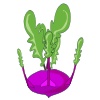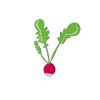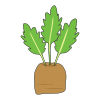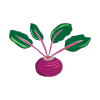
Beetroot is a hardy root vegetable valued for its deep red-purple color, earthy sweetness, and versatility in the kitchen. The plant produces a rounded, swollen root beneath the soil and a rosette of broad, tender green leaves above ground, which are also edible and nutritious. While the most common varieties are dark red, beetroot can also be golden, pink, or striped.
Thriving in cool to mild conditions, beetroot grows quickly and reliably in well-drained soil. It is rich in fibre, vitamins, and natural antioxidants, and can be enjoyed raw, roasted, boiled, pickled, or juiced. Both the root and leaves make beetroot a productive and valuable crop for home gardens and farms alike.
How To Grow
-
Choose the Right Location Beetroot grows best in full sun, but tolerates partial shade. It prefers cool to mild temperatures. Use well-drained, loose soil so roots can develop evenly.
-
Prepare the Soil Remove stones and clumps from the soil. Mix in compost or well-rotted organic matter. Avoid fresh manure, which can cause misshapen roots.
-
Planting Sow seeds directly outdoors from early spring to late summer. Plant seeds about 2–3 cm (1 inch) deep. Space seeds 5–10 cm (2–4 inches) apart in rows 25–30 cm (10–12 inches) apart. Each “seed” is actually a cluster and may produce multiple seedlings.
-
Thinning Once seedlings are a few centimeters tall, thin them to 10 cm (4 inches) apart. Thinned seedlings can be eaten as baby greens.
-
Watering Water regularly to keep soil evenly moist. Inconsistent watering can cause woody or cracked roots.
-
Feeding Beetroot doesn’t need heavy feeding. A light feed with a balanced fertilizer is enough if soil is fertile.
-
Care Keep the bed weed-free. Mulch to retain moisture and keep roots cool.
Beetroot grows quickly and is usually ready to harvest in 8–10 weeks, making it an excellent crop for beginners.
Harvesting
-
When to Harvest Beetroot is usually ready 8–10 weeks after sowing. Harvest when roots are about golf-ball to tennis-ball size for the best flavour. Smaller roots are tender and sweet; larger ones can become woody.
-
How to Harvest Loosen the soil gently with a fork. Grasp the leaves near the base and pull the root out carefully. Avoid damaging nearby roots if you plan to leave them growing.
-
Harvesting Leaves Young beetroot leaves can be harvested earlier as baby greens. Only take a few leaves from each plant so the root continues to grow.
-
After Harvest Care Twist off the leaves, leaving about 2–3 cm (1 inch) of stem to prevent bleeding. Brush off excess soil—do not wash if storing. Store roots in a cool, dark place.
-
Succession Harvesting Harvest beetroot as needed rather than all at once. Regular harvesting encourages consistent growth and quality.
Harvesting beetroot at the right size ensures tender texture, rich flavour, and excellent storage life.
Common Problems
Common Problems with Beetroot
Pests
Aphids (Blackfly) Black bean aphids commonly colonise the undersides of leaves and growing tips, weakening plants and reducing yields. Encourage natural predators such as ladybirds and lacewings, or use an insecticidal soap spray as needed.
Leaf Miners The larvae of beet leaf miners tunnel through leaves, leaving pale, blotchy trails. Remove and destroy affected leaves promptly. Row covers can help prevent adult flies from laying eggs.
Slugs and Snails Young seedlings are particularly vulnerable. Use copper barriers, beer traps, or biological nematode controls. Hand-picking at night is also effective.
Diseases
Downy Mildew Appears as grey or purple fuzzy growth on the undersides of leaves, often after wet weather. Improve air circulation by spacing plants adequately and avoiding overhead watering.
Cercospora Leaf Spot Circular brown or tan spots with red-purple margins appear on older leaves. Remove affected foliage, avoid wetting leaves when watering, and rotate crops annually.
Damping Off Seedlings collapse at soil level due to fungal infection in cold, wet conditions. Sow into well-drained compost and avoid overwatering at the seedling stage.
Physiological Issues
Bolting (Running to Seed) Exposure to prolonged cold spells or drought stress can trigger early flowering, which reduces root quality. Use bolt-resistant varieties, especially for early sowings.
Forked or Misshapen Roots Caused by stony or compacted soil, fresh manure, or root damage during thinning. Always prepare soil well before sowing.
Pale or White Rings Inside the Root Alternating white and red rings indicate irregular growth, often from inconsistent watering or temperature fluctuations. Maintain even soil moisture throughout the growing season.