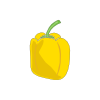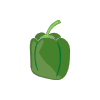
Red bell peppers are sweet, vibrant vegetables prized for their bright colour, crisp texture, and juicy flesh. They are fully ripened bell peppers, allowed to mature longer on the plant than green varieties, which gives them a richer flavour and higher natural sugar content. The fruits are thick-walled, glossy, and blocky in shape, growing from sturdy plants with broad green leaves and small white flowers.
Grown in warm, sunny conditions, red bell peppers are especially valued for their outstanding nutritional profile. They are one of the richest plant sources of vitamin C and also provide significant amounts of vitamin A, vitamin B6, folate, and powerful antioxidants such as beta-carotene and lycopene.
Extremely versatile in the kitchen, red bell peppers are delicious eaten raw in salads, roasted, stuffed, stir-fried, or blended into sauces and soups. Their natural sweetness and vivid colour make them a favourite ingredient worldwide. Plants are tender and frost-sensitive, requiring a long warm season to produce their best yields.
How To Grow
How to Grow Red Bell Peppers
Choosing the Right Conditions
Red bell peppers thrive in warm, sheltered positions with full sun. They require a long growing season with temperatures consistently between 18–30°C to produce well. Protect plants from cold winds and ensure they are never exposed to frost.
Starting Seeds Indoors
Sow seeds indoors 8–10 weeks before the last expected frost date. Plant seeds approximately 0.5–1 cm deep in moist seed-raising mix. Maintain a soil temperature of 20–30°C for reliable germination, which typically takes 7–14 days. A heat mat significantly improves germination rates and speed.
Transplanting
Once seedlings have 4–6 true leaves and all frost risk has passed, harden them off gradually over 7–10 days before transplanting outdoors. Space plants 45–60 cm apart in all directions. Avoid transplanting into cold or waterlogged soil.
Soil Preparation
Prepare fertile, well-drained soil enriched with well-rotted compost or organic matter. Aim for a soil pH of 6.0–6.8. Raised beds or containers with quality potting mix are excellent options where garden soil is heavy or poorly draining.
Watering
Water consistently to keep the soil evenly moist but never waterlogged. Irregular watering is a primary cause of blossom drop, poor fruit set, and blossom end rot. Mulching around plants helps retain soil moisture and regulate temperature.
Feeding
Once plants begin to flower, apply a balanced fertiliser with moderate potassium every 2–3 weeks. Avoid high-nitrogen feeds once flowering starts, as these promote leafy growth at the expense of fruit production.
Support and Maintenance
Stake plants or use cages to support stems loaded with heavy fruit. Remove any damaged, diseased, or yellowing leaves to improve airflow and reduce disease risk. Monitor regularly for aphids, spider mites, and whitefly.
Ripening to Red
Peppers initially develop as green fruit and gradually ripen through to full red. Leave fruits on the plant until fully red for maximum sweetness, nutrition, and flavour. This takes an additional 2–3 weeks beyond the green stage.
Harvesting
Harvesting Red Bell Peppers
When to Harvest
Red bell peppers are ready to harvest when the fruit has turned fully red, is firm to the touch, and has a glossy sheen. Full red colour develops approximately 2–3 weeks after the green stage. Fully ripened red peppers have the highest sugar content, the richest flavour, and the greatest concentration of vitamins and antioxidants.
How to Harvest
Always use sharp scissors or pruning shears to cut the fruit from the plant. Cut the stem cleanly just above the fruit, leaving a short stub of stem attached to the pepper. Avoid pulling or twisting fruit free by hand, as this risks snapping stems or uprooting the entire plant.
Harvest Regularly
Check plants every few days and pick ripe fruit promptly. Regular harvesting signals the plant to continue producing new flowers and fruit, extending the harvest period throughout the season. Leaving overripe fruit on the plant reduces overall yield.
Handling and Storage
Handle red bell peppers gently as the skin bruises easily. Store unwashed peppers in the refrigerator where they will keep for 1–2 weeks. For longer storage, peppers can be sliced and frozen, or roasted and preserved in olive oil.
Extending Your Harvest
At the end of the growing season, before the first frost, harvest all remaining peppers regardless of colour. Green or partially ripe peppers can be brought indoors to ripen slowly at room temperature. Alternatively, whole plants can be potted up and overwintered indoors in a warm, bright spot.
Common Problems
Common Problems with Red Bell Peppers
Pests
Aphids are among the most common pests, clustering on young shoots and the undersides of leaves. They weaken plants and can spread viral diseases. Blast them off with water or use insecticidal soap.
Spider mites thrive in hot, dry conditions and cause stippled, yellowing leaves. Increase humidity and apply miticide or neem oil if infestations are severe.
Whitefly congregate on leaf undersides and suck sap, causing yellowing and weakening plants. Yellow sticky traps and regular inspection help manage populations.
Thrips damage flowers and young fruits, sometimes spreading viruses. Remove affected plant parts and consider biological controls.
Diseases
Blossom end rot appears as dark, sunken patches on the base of fruit. It is caused by calcium deficiency linked to inconsistent watering rather than poor soil. Maintain even moisture and mulch well.
Anthracnose causes dark, sunken lesions on ripe fruit. Caused by fungal infection, especially in wet conditions. Improve airflow and avoid overhead watering.
Phytophthora root rot occurs in waterlogged soils. Ensure good drainage and do not overwater.
Mosaic viruses cause mottled, distorted leaves and poor fruit quality. There is no cure — remove and destroy infected plants. Control aphids to reduce spread.
Physiological Issues
Flower drop occurs when temperatures are too high (above 35°C) or too low (below 15°C), or when plants are stressed by drought or nutrient imbalance. Maintain stable conditions for best results.
Sunscald produces pale, papery patches on fruit exposed to intense direct sunlight, especially after defoliation. Maintain adequate leaf cover around developing fruits.