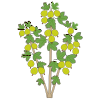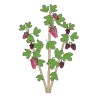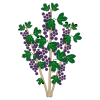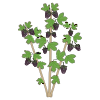
Blackberries are vigorous, perennial fruiting plants known for their arching canes, delicate white or pale pink flowers, and juicy, dark purple-black berries. The plants produce long, flexible stems that can be trailing, semi-erect, or upright, often with thorns, though thornless varieties are also common. In spring, clusters of blossoms attract pollinators, developing into berries that ripen through summer.
The ripe fruit is soft, glossy, and richly flavoured, balancing sweetness with a hint of tartness. Blackberries thrive in sunny locations with well-drained soil and are widely grown in gardens, hedgerows, and farms. Valued for their high levels of vitamins, fibre, and antioxidants, blackberries are enjoyed fresh, baked into desserts, preserved as jams, or blended into drinks, making them both a productive and rewarding crop.
How To Grow
-
Choose the Right Location Plant blackberries in full sun for the best fruit production. They tolerate partial shade but yield less fruit. Choose a spot with well-drained soil and good air circulation.
-
Soil Preparation Loosen the soil and remove weeds. Mix in compost or well-rotted manure. Blackberries prefer slightly acidic soil (pH 5.5–6.5).
-
Planting Plant bare-root or potted plants in early spring. Space plants 1–2 meters (3–6 feet) apart, depending on variety. Set plants at the same depth they were growing previously. Water thoroughly after planting.
-
Watering Water regularly, especially during the first year. Keep soil consistently moist but not waterlogged. Mulch helps retain moisture and suppress weeds.
-
Support and Training Most blackberry varieties benefit from trellising. Tie canes loosely to wires or supports as they grow. This improves air flow and makes harvesting easier.
-
Feeding Feed in spring with compost or a balanced fertilizer. Avoid excessive nitrogen, which causes leafy growth with less fruit.
-
Pruning Prune after fruiting by cutting spent canes to ground level. New canes (primocanes) will produce fruit the following year. Pruning keeps plants productive and manageable.
-
Pest and Disease Care Watch for aphids, mites, and fruit-eating birds. Netting can protect ripening berries.
Blackberries usually begin producing fruit in their second year and can remain productive for many years with proper care.
Harvesting
-
When to Harvest Blackberries are ready when they turn deep purple-black and look glossy. Ripe berries come off the plant easily with a gentle pull. Harvesting usually takes place in mid to late summer, depending on variety and climate.
-
Harvesting Method Pick berries by hand, using your thumb and forefinger. Gently twist and pull; ripe berries should detach without effort. Avoid picking red or hard berries—they will not ripen further.
-
Harvest Frequently Check plants every 1–3 days during peak season. Regular harvesting encourages continued fruiting and prevents overripe berries from rotting.
-
Handle with Care Blackberries are soft and bruise easily. Place them gently into shallow containers—do not stack deeply. Avoid washing until just before use.
-
Best Time to Harvest Pick berries in the morning, after dew has dried. Berries are firmer and store better at this time.
-
After Harvest Care Refrigerate promptly and use within 2–3 days. Berries can be frozen for longer storage.
Harvesting blackberries at peak ripeness ensures the best flavour, sweetness, and quality.
Common Problems
Common Problems with Blackberries
Pests
Aphids — Colonies of aphids may cluster on young shoots and undersides of leaves, causing distorted growth and a sticky residue. Encourage natural predators such as ladybirds, or apply an insecticidal soap spray.
Raspberry Beetle — The larvae of this beetle tunnel into developing berries, making them unpalatable. Adult beetles can be caught with pheromone traps, and good pruning hygiene reduces overwintering populations.
Spider Mites — In hot, dry conditions, spider mites may colonise the undersides of leaves, causing yellowing and fine webbing. Increasing humidity and removing affected growth can help manage infestations.
Birds — Ripening berries are highly attractive to birds. Use netting to protect fruit as it begins to colour.
Diseases
Botrytis (Grey Mould) — A common fungal disease causing soft, grey, fluffy growth on fruit and stems, particularly in humid or wet conditions. Improve air circulation through pruning, avoid overhead watering, and remove affected material promptly.
Cane Spot — Purple spots with pale centres appear on canes and leaves, caused by a fungal pathogen. Remove and destroy affected canes and avoid wetting foliage.
Spur Blight — Dark purple or brown blotches develop around buds on young canes, weakening fruiting potential. Thin canes to improve airflow and remove infected material.
Crown Gall — Rough, warty growths may appear at the base of plants or on roots, caused by soil bacteria. Remove and destroy affected plants; avoid replanting in the same spot.
Virus Diseases — Various viruses can cause mottled or distorted foliage and reduced vigour. Always purchase certified virus-free stock and control aphid populations, which spread viruses.
Physiological Issues
Waterlogging — Blackberries are susceptible to root rot in poorly drained soils. Ensure good drainage and avoid overwatering.
Nutrient Deficiency — Yellowing between leaf veins may indicate iron or magnesium deficiency, particularly in alkaline soils. Adjust soil pH to the ideal range of 5.5–6.5 and apply appropriate feeds.