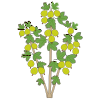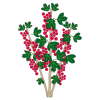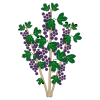
Blackcurrants are hardy, deciduous shrubs valued for their clusters of small, glossy, deep purple-black berries and their rich, tangy flavour. The plants grow as compact bushes with lobed, aromatic green leaves and produce pale pink or greenish flowers in spring, which develop into hanging strings of fruit known as “strigs.”
Thriving in cool to temperate climates, blackcurrants prefer moist, fertile, well-drained soil and sunny to lightly shaded positions. The berries are exceptionally high in vitamin C and antioxidants and are widely used in jams, juices, desserts, syrups, and baking. With their strong flavour, nutritional value, and reliable cropping, blackcurrants are a productive and rewarding fruit to grow in home gardens and orchards.
How To Grow
How to Grow Blackcurrants
1. Choosing the Right Location
Blackcurrants grow best in full sun but tolerate partial shade. Choose a sheltered spot protected from strong winds, which can damage blossoms and reduce pollination. Avoid frost pockets if possible, as the flowers open early and can be damaged by late frosts.
2. Soil Preparation
Prepare a fertile, moisture-retentive but well-drained soil. Dig in generous amounts of well-rotted compost or manure before planting. Blackcurrants prefer a slightly acidic to neutral pH of around 6.0–6.5. Avoid waterlogged ground, which can cause root problems.
3. Planting
- Plant bare-root bushes during the dormant season (late autumn through to early spring).
- Container-grown plants can be planted at almost any time of year, provided the ground is not frozen or waterlogged.
- Space plants 1.5 m (5 ft) apart in rows 1.8 m (6 ft) apart to allow good air circulation.
- Plant slightly deeper than the previous soil mark to encourage strong basal shoots to develop from below ground.
- Water well after planting and apply a mulch of compost or bark around the base.
4. Watering
Water regularly, especially during dry spells and while fruit is swelling. Keep soil consistently moist but not waterlogged. A thick mulch helps retain moisture and suppresses competing weeds.
5. Feeding
Apply a balanced fertiliser or topdressing of well-rotted compost in early spring as growth begins. Avoid excessive nitrogen, which promotes leafy growth at the expense of fruit production.
6. Pruning
Prune annually in winter while dormant. Blackcurrants fruit best on wood produced the previous year, so routine pruning is key to productivity:
- Remove any dead, damaged, or crossing branches.
- Cut out up to one-third of the oldest, darkest stems at ground level each year to stimulate new growth.
- On newly planted bushes, cut all stems down to two buds above ground level after planting to encourage vigorous establishment.
7. Mulching
Apply mulch annually in spring to suppress weeds, retain moisture, and enrich the soil as it breaks down.
8. Bird Protection
Net plants as fruit begins to colour to prevent birds from stripping the crop before harvest. A fruit cage provides the most reliable long-term solution.
Blackcurrant bushes typically begin fruiting in their second year and can remain productive for 10–15 years with good ongoing care and regular pruning.
Harvesting
Harvesting Blackcurrants
When to Harvest
Blackcurrants are ready to pick when the berries are deep black, fully sized, and slightly soft to the touch. They typically ripen in mid to late summer, though timing varies with climate and variety. Unlike some fruits, blackcurrants do not continue to ripen significantly after picking, so wait until the entire strig (cluster) is fully ripe before harvesting.
How to Harvest
Harvest blackcurrants in whole strigs (clusters) rather than picking individual berries:
- Gently grasp the strig at its base and pull away from the branch.
- Alternatively, use small scissors or snips for a cleaner cut.
- Harvesting by the strig is faster, reduces fruit damage, and is less disruptive to the plant.
Best Conditions for Picking
Pick on a dry day, ideally in the morning after any dew has dried. Dry fruit stores better and is less prone to mould or early spoilage.
Harvest Frequency
Berries on a single bush do not all ripen simultaneously. Check plants every few days and harvest each strig as it reaches full ripeness. The main harvest period on a mature bush usually spans 1–2 weeks.
Handling and Storage
- Handle harvested berries gently to avoid crushing.
- Refrigerate and use within 2–3 days for fresh eating.
- Blackcurrants freeze exceptionally well — spread on a tray to freeze individually, then transfer to bags for long-term storage.
- Strip berries from strigs before or after freezing, depending on intended use.
Using Your Harvest
Blackcurrants are excellent for jams, jellies, cordials, syrups, pies, crumbles, and desserts. Their high vitamin C content and intense flavour make them one of the most nutritious soft fruits available to the home gardener. Harvesting at full ripeness delivers the strongest flavour and highest nutritional value.
Common Problems
Common Problems with Blackcurrants
Pests
Blackcurrant Gall Mite (Big Bud Mite) One of the most serious pests. Mites infest buds, causing them to swell abnormally into large, rounded 'big buds'. Infected plants may also be vectors for reversion virus. Remove and destroy affected buds or entire branches. Choose resistant varieties where available.
Aphids Several aphid species attack blackcurrants, causing leaf curling and distortion, particularly on young growth. Clusters of small insects may be found on the undersides of leaves. Encourage natural predators such as ladybirds and lacewings, or treat with an appropriate insecticide if infestations are severe.
Birds Ripening berries are highly attractive to birds, which can strip a bush very quickly. Net plants as fruit begins to colour to protect the crop.
Sawfly Caterpillars Larvae can rapidly defoliate bushes. Check undersides of leaves regularly and remove caterpillars by hand or treat appropriately.
Diseases
Reversion Virus A serious disease spread by gall mites, causing gradual reduction in fruit yield and changes in leaf shape (leaves become narrower with fewer lobes). There is no cure; affected plants must be dug up and destroyed. Prevent by controlling gall mite populations and buying certified virus-free stock.
Botrytis (Grey Mould) Fungal disease that causes grey, fluffy mould on berries and foliage, particularly in wet or humid conditions. Improve air circulation through regular pruning and avoid overhead watering.
Powdery Mildew White powdery coating on leaves and shoots, most common in dry conditions. Ensure adequate watering and good airflow. Remove and dispose of affected material.
Leaf Spot Fungal spots on leaves that may cause early leaf drop. Collect and dispose of fallen leaves in autumn to reduce overwintering spores.
Environmental Issues
Frost Damage to Flowers While the plants themselves are very frost hardy, the flowers open early in spring and are vulnerable to late frosts, which can damage blossoms and reduce fruit set. Fleece protection during cold snaps at flowering time can help.
Waterlogging Blackcurrants need moist soil but will suffer root rot in waterlogged conditions. Ensure good drainage and avoid planting in low-lying frost pockets.