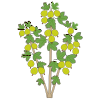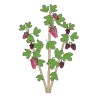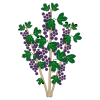
Blueberries are compact, perennial shrubs prized for their sweet, juicy berries and attractive growth habit. In spring, the plants produce clusters of small, bell-shaped white or pale pink flowers, which develop into round berries that ripen from green to deep blue with a soft, powdery bloom. In autumn, the foliage often turns brilliant shades of red and orange, adding ornamental value to the garden.
Blueberries thrive in acidic, well-drained soil and sunny locations. The berries are rich in antioxidants, vitamins, and fibre, making them one of the most nutritious fruits available. Enjoyed fresh, baked into desserts, blended into smoothies, or preserved, blueberries are both a productive crop and a beautiful addition to home gardens and orchards.
How To Grow
-
Choose the Right Location Blueberries grow best in full sun (6–8 hours daily). They tolerate light shade but produce more fruit in sun. Shelter plants from strong winds if possible.
-
Soil Requirements Blueberries need acidic soil with a pH of 4.5–5.5. Soil must be well-drained but moisture-retentive. Improve soil with ericaceous compost, pine needles, or peat alternatives.
-
Planting Plant in early spring or autumn. Space bushes 1–1.5 m (3–5 ft) apart. Plant at the same depth as they were in the pot. Water thoroughly after planting.
-
Watering Water regularly, especially during dry spells. Use rainwater if possible, as tap water may raise soil pH. Mulch to keep roots cool and moist.
-
Feeding Feed in spring with a fertilizer made for acid-loving plants. Avoid general fertilizers that contain lime.
-
Pruning Little pruning is needed for the first 2–3 years. After that, prune in late winter to remove old or weak wood. This encourages new growth and better fruiting.
-
Pollination Planting two or more varieties improves pollination and yields.
-
Container Growing Blueberries grow well in pots using ericaceous compost. Ensure containers have good drainage.
Blueberries usually begin fruiting in 2–3 years and can produce for many years with proper care.
Harvesting
-
When to Harvest Blueberries are ready when they turn deep blue with a pale, powdery coating. Berries should be plump and sweet; reddish berries are not ripe. Ripe blueberries come off the plant easily with a gentle touch. Harvest season is usually mid to late summer, depending on variety.
-
How to Harvest Pick blueberries by hand, using your thumb and forefinger. Gently roll the berry off the stem into your hand. Avoid squeezing to prevent bruising.
-
Harvest Frequently Check plants every 2–3 days during peak ripening. Berries ripen over several weeks, not all at once.
-
Best Time to Harvest Harvest on a dry day, preferably in the morning after dew has dried. Dry berries store better and last longer.
-
After Harvest Care Do not wash berries until ready to use. Store in the refrigerator and use within 5–7 days. Blueberries freeze very well for long-term storage.
Harvesting at peak ripeness ensures the best sweetness, flavour, and nutritional value.
Common Problems
Common Problems with Blueberries
Incorrect Soil pH
Blueberries are extremely sensitive to soil pH. If the pH is too high (above 5.5), plants will show yellowing leaves (chlorosis), poor growth, and reduced fruiting. Test soil pH regularly and amend with sulphur, ericaceous compost, or acidic mulches such as pine needles to maintain a pH of 4.5–5.5.
Birds
Birds are the most significant pest of ripening blueberries. Protect bushes with fine netting (mesh no larger than 25 mm) secured at the base to prevent birds from accessing the fruit. Remove netting during flowering to allow pollinating insects access.
Mummified or Shrivelled Berries (Mummy Berry)
Caused by a fungal pathogen, affected berries shrivel and drop prematurely. Remove and destroy infected material. Improve air circulation through pruning and avoid overhead watering.
Botrytis (Grey Mould)
Grey, fuzzy mould on berries or stems during wet, cool conditions. Improve airflow by pruning regularly. Remove affected material promptly and avoid wetting foliage when watering.
Scale Insects and Aphids
Sap-sucking insects can colonise stems and leaves, weakening plants. Inspect regularly and treat with an appropriate insecticidal soap or horticultural oil. Encourage natural predators such as ladybirds.
Root Rot
Poor drainage leads to waterlogged roots and root rot. Ensure planting sites or containers have excellent drainage. Raised beds or mounded planting can help in heavy soils.
Poor Pollination and Low Yields
Blueberries are partially self-fertile, but yields improve significantly when two or more compatible varieties are grown together. Poor fruit set is often caused by lack of cross-pollination or absence of pollinators.