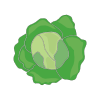
Brussels sprouts are cool-season vegetables grown for their compact, round buds that form along tall, sturdy stems. The plants have broad blue-green leaves and resemble small cabbage plants stacked up the stem. Each sprout develops in the leaf axils, gradually firming up as the plant matures.
Best suited to cooler climates, Brussels sprouts grow slowly and develop their best flavour after exposure to frost, which enhances their natural sweetness. They are rich in vitamins, fibre, and antioxidants and can be enjoyed roasted, steamed, sautéed, or added to soups and side dishes. Valued for their hardiness and nutritional benefits, Brussels sprouts are a reliable crop for autumn and winter gardens.
How To Grow
-
Choose the Right Time Brussels sprouts are a long-season, cool-weather crop. Sow seeds in spring for harvest in autumn and winter. They tolerate frost and improve in flavour after cold weather.
-
Choose the Right Location Plant in full sun. Use fertile, well-drained soil. Choose a site sheltered from strong winds.
-
Sowing Seeds Sow seeds in pots or seed trays about 1 cm (½ inch) deep. Keep soil moist; seedlings appear in 7–10 days. Transplant when plants are about 10–15 cm (4–6 inches) tall.
-
Transplanting Space plants 60–75 cm (24–30 inches) apart. Plant firmly and water well.
-
Watering Water regularly, especially in dry spells. Keep soil evenly moist to avoid loose or poor-quality sprouts.
-
Feeding Feed with compost or a nitrogen-rich fertilizer once plants are established. A second feed in late summer supports sprout development.
-
Support Tall plants may need staking to prevent wind damage. Firm soil around stems as plants grow.
-
Pest and Care Protect from pests such as cabbage white butterflies, aphids, and pigeons. Use netting and keep beds weed-free.
Brussels sprouts grow slowly but reward patience with a steady harvest of firm, flavourful sprouts through autumn and winter.
Harvesting
-
When to Harvest Sprouts are ready when they are firm, tight, and about 2–4 cm (1–1½ inches) wide. Harvest usually begins in late autumn and can continue through winter. Flavour improves after light frosts.
-
How to Harvest Start harvesting from the bottom of the plant, where sprouts mature first. Twist the sprout firmly to snap it off, or cut it with a knife. Leave upper sprouts to continue growing.
-
Harvest Gradually Pick sprouts as needed over several weeks. Regular harvesting encourages better development of remaining sprouts.
-
Optional Tip – Topping Once most sprouts have formed, you can remove the growing tip at the top of the plant. This directs energy into sprout growth and helps them mature evenly.
-
After Harvest Care Plants can remain in the ground after harvesting. Remove plants once cropping is finished and compost the leaves. Roots can be left in the soil to improve structure.
Harvesting at the right time ensures sweet, firm sprouts and a long picking season.
Common Problems
Common Problems with Brussels Sprouts
Pests
Cabbage White Butterfly / Cabbage Moth Caterpillars feed on leaves and can bore into developing sprouts. Check plants regularly and remove egg clusters and caterpillars by hand. Fine mesh netting is the most effective preventative measure.
Aphids (Cabbage Aphid) Dense grey-green colonies cluster on stems and under leaves, weakening plants and distorting growth. Blast off with water, use companion plants like nasturtiums as a trap crop, or treat with an appropriate insecticidal soap.
Cabbage Root Fly Larvae attack roots, causing wilting and poor growth. Use brassica collars around the base of stems to deter egg-laying adults.
Pigeons and Other Birds Birds strip foliage readily. Net plants throughout the season to protect them.
Slugs and Snails Target young transplants particularly. Use barriers, traps, or biological controls.
Diseases
Club Root A soil-borne disease causing swollen, distorted roots and stunted growth. Improve drainage, raise soil pH with lime, and practise a strict rotation — avoid growing brassicas in the same ground for at least four years.
Downy Mildew Yellow patches on upper leaf surfaces with grey mould beneath in humid conditions. Improve air circulation and avoid overhead watering.
Black Rot A bacterial disease causing yellowing leaves with dark veins and a foul smell. Remove affected plants immediately and avoid working in wet conditions.
Whiptail (Molybdenum Deficiency) Leaves narrow and become strap-like. Apply a foliar spray of sodium or ammonium molybdate and adjust soil pH to improve nutrient availability.
Growing Problems
Loose or Blown Sprouts Sprouts that fail to button up properly are usually caused by loose planting, excessive nitrogen, or warm temperatures. Firm soil well at planting and avoid over-feeding.
Wind Rock Tall stems can rock in wind, loosening roots and checking growth. Stake plants and earth up stems for stability.
Bolting Unlikely in well-grown plants but can occur if transplants are stressed or soil is poor. Ensure plants are well-fed and watered consistently.