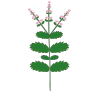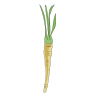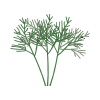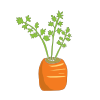
Carrots are popular root vegetables known for their crisp texture, sweet flavor, and vibrant orange color, though they also come in shades of purple, yellow, red, and white. The plant forms a feathery rosette of finely divided green leaves above ground, while the edible taproot develops beneath the soil, storing sugars and nutrients as it grows.
Carrots thrive in cool to mild conditions and loose, well-drained soil that allows the roots to grow straight and smooth. They are rich in beta-carotene, fibre, and vitamins, making them a nutritious addition to many meals. Enjoyed raw, cooked, roasted, or juiced, carrots are versatile, easy to grow, and a staple crop in gardens around the world.
How To Grow
-
Choose the Right Location Carrots grow best in full sun, but they tolerate light shade. Use loose, well-drained soil free of stones and clumps. Deep, sandy or loamy soil produces the straightest roots.
-
Prepare the Soil Dig the soil deeply and remove stones. Mix in compost, but avoid fresh manure, which causes forked roots. Rake the surface to a fine texture before sowing.
-
Sowing Seeds Sow seeds directly outdoors, as carrots do not transplant well. Plant seeds about 0.5–1 cm (¼ inch) deep. Space rows 20–30 cm (8–12 inches) apart. Sow thinly to reduce the need for thinning.
-
Watering Water gently and regularly to keep soil moist during germination. Carrot seeds can take 10–21 days to sprout. Keep soil evenly moist as roots develop.
-
Thinning Thin seedlings when they are a few centimetres tall. Space plants 5–8 cm (2–3 inches) apart. Remove thinning carefully to avoid disturbing nearby roots.
-
Feeding Carrots are light feeders. A balanced fertilizer may be used if soil is poor.
-
Care Keep beds weed-free. Mulch lightly to retain moisture. Cover developing roots with soil to prevent green shoulders.
Carrots usually mature in 10–16 weeks, depending on the variety, and reward gardeners with sweet, crunchy roots.
Harvesting
-
When to Harvest Carrots can be harvested when they reach usable size, usually 10–16 weeks after sowing. Smaller carrots are tender and sweet; larger ones have a stronger flavour. Check the top of the root at the soil surface to judge size.
-
How to Harvest Water the soil lightly beforehand to make pulling easier. Grasp the leaves close to the root and pull gently. In heavy or compact soil, loosen the soil first with a fork.
-
Harvesting Gradually Carrots can be harvested as needed, leaving others to grow. This allows for a longer harvesting period.
-
After Harvest Care Twist or cut off the leaves to prevent moisture loss. Brush off excess soil; avoid washing if storing. Store carrots in a cool, dark place.
-
Winter Harvesting In mild climates, carrots can be left in the ground and harvested through winter. Mulch heavily to protect roots from hard frost.
Harvesting carrots at the right time ensures crisp texture, sweet flavour, and good storage quality.
Common Problems
Common Carrot Problems
Pests
Carrot Root Fly (Psila rosae) is one of the most damaging pests. The larvae tunnel into roots, leaving rusty, scarred flesh. Prevent with fine insect-proof mesh or fleece over the crop, and avoid thinning on warm evenings when the fly is active. Rotating the crop each year also helps break the cycle.
Aphids may colonise the foliage, weakening plants and potentially spreading virus. Blast off with water or use an insecticidal soap spray.
Slugs and Snails can damage young seedlings and surface roots. Use physical barriers, traps, or biological controls.
Diseases
Carrot Leaf Blight (Alternaria dauci) causes dark, irregular spots on the foliage, eventually killing leaves. Improve air circulation and avoid overhead watering. Remove and dispose of affected material.
Cavity Spot appears as oval, sunken pits on the root surface and is associated with waterlogged or calcium-deficient soil. Improve drainage and avoid compaction.
Violet Root Rot causes a violet or purple fungal growth on roots, usually in wet or waterlogged conditions. Improve drainage and practice crop rotation.
Physiological Problems
- Forked or misshapen roots: caused by stony or compacted soil, or fresh manure. Always prepare soil deeply and remove obstructions.
- Cracked roots: caused by irregular watering or sudden heavy rain after drought. Keep soil evenly moist.
- Green shoulders: roots exposed to light turn green and bitter. Earth up or mulch to cover the crown.
- Bolting: premature flowering triggered by cold followed by warm spells, especially in spring. Choose bolt-resistant varieties for early sowings.