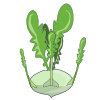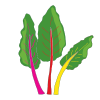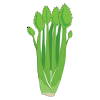
Celery is a cool-season vegetable valued for its crisp, crunchy stalks and fresh, slightly peppery flavor. The plant grows in tight clusters of upright stems topped with leafy greens, all emerging from a shallow root system. While green celery is the most common type, varieties also include self-blanching and red-stemmed forms.
Thriving in cool, moist conditions, celery requires consistent care and rich soil to develop tender, juicy stalks. It is widely used raw in salads, cooked in soups and stews, or as a flavourful base in many dishes. Low in calories and high in fibre, vitamins, and minerals, celery is both a nutritious and versatile crop for home gardens and commercial production.
How To Grow
-
Choose the Right Time Celery has a long growing season. Start seeds indoors in late winter to early spring. It grows best in cool, mild temperatures.
-
Choose the Right Location Plant in full sun to partial shade. Use fertile, moisture-retentive soil. Celery needs consistent moisture.
-
Sowing Seeds Sow seeds on the surface of moist compost and do not cover, as they need light to germinate. Keep soil warm and moist. Germination can take 2–3 weeks.
-
Transplanting Transplant seedlings once they have several true leaves. Space plants 25–30 cm (10–12 inches) apart. Plant at the same depth—do not bury the growing point.
-
Watering Water regularly to keep soil evenly moist. Dry conditions cause tough, stringy stalks.
-
Feeding Feed every 2–3 weeks with a balanced liquid fertilizer. Compost or well-rotted manure improves soil fertility.
-
Blanching (Optional) For paler, milder stalks, blanch celery by wrapping stems with cardboard or soil. Begin blanching a few weeks before harvest.
-
Care and Protection Keep beds weed-free. Mulch to retain moisture. Protect from pests like slugs and aphids.
Celery takes 4–5 months to mature and rewards careful growers with crisp, flavourful stalks.
Harvesting
-
When to Harvest Celery is usually ready 4–5 months after sowing. Harvest when stalks are firm, crisp, and at least 20–30 cm (8–12 inches) tall. You can harvest earlier for smaller, more tender stalks.
-
How to Harvest Use a sharp knife. Cut the whole plant at the base, just above soil level. Or, remove individual outer stalks first if you want a longer harvest period.
-
Harvesting Gradually Picking outer stalks allows inner stalks to continue growing. This is ideal for fresh, ongoing use.
-
After Harvest Care Trim roots and damaged leaves. Rinse before use. Store celery in the refrigerator for up to 2 weeks.
-
End-of-Season Harvest Harvest all remaining plants before hard frost. Unharvested plants can become tough in cold weather.
Harvesting celery at the right stage ensures crunchy texture, mild flavour, and best quality.
Common Problems
Common Celery Problems
Pests
Slugs and Snails Young celery seedlings are highly vulnerable to slug and snail damage. Use physical barriers, traps, or encourage natural predators to manage populations.
Aphids Celery aphids cluster on leaves and stems, causing distortion and weakening growth. Blast off with water, introduce beneficial insects such as ladybirds, or use an insecticidal soap spray.
Celery Fly (Leaf Miner) The larvae of celery fly tunnel inside leaves, creating pale, blistered patches. Remove and destroy affected leaves promptly. Covering young plants with fine mesh netting helps prevent egg-laying.
Carrot Fly As a member of the carrot family, celery can be attacked by carrot fly larvae. Use fine mesh barriers to exclude the low-flying adult flies.
Diseases
Celery Leaf Spot (Septoria) Brown or yellow spots with dark centres appear on leaves. Remove affected foliage, avoid overhead watering, and rotate crops annually.
Damping Off Seedlings collapse at soil level due to fungal infection. Use sterile compost, avoid overwatering, and ensure good air circulation when raising seedlings indoors.
Boron Deficiency Causes brown, cracked, hollow stalks sometimes called 'brown heart'. Apply a balanced fertiliser and maintain consistent watering to aid nutrient uptake.
Cultural Issues
Bolting Celery may bolt (run to seed prematurely) if exposed to prolonged cold spells during early growth or if planted out too early. Use varieties appropriate to your season and harden off seedlings gradually.
Stringy or Bitter Stalks Caused by irregular watering, high temperatures, or insufficient feeding. Blanching stems a few weeks before harvest can also improve flavour and texture.