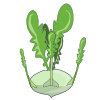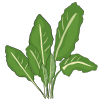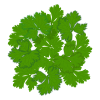
Coriander is a fast-growing, aromatic herb prized for both its fresh leaves and flavorful seeds. The delicate, bright green leaves have a light, citrusy taste and are widely used to add freshness to salads, sauces, and cooked dishes across many cuisines. When allowed to flower, the plant produces small white blooms that develop into round, fragrant seeds known as coriander seeds.
Easy to grow and highly versatile, coriander thrives in cool conditions and can be harvested at different stages for different uses. Its leaves bring a clean, vibrant note to food, while the seeds offer a warm, slightly spicy flavour when dried. Beyond the kitchen, coriander is also valued for attracting beneficial insects to the garden and for its quick growth, making it a popular choice for home gardeners.
How To Grow
How to Grow Coriander (Cilantro)
Choosing the Right Time
Coriander performs best in cool conditions, making it ideal for sowing in early spring or autumn. The optimal growing temperature is 15–22°C (59–72°F). Hot weather causes the plant to bolt rapidly, so timing is key to achieving a good leaf harvest.
Preparing the Soil
Choose a spot with well-drained, fertile soil rich in organic matter. Dig in compost before sowing. Aim for a soil pH of 6.2–6.8. In containers, use a good-quality multi-purpose compost with added grit for drainage.
Sowing Seeds
Coriander seeds are actually small fruit clusters. Lightly crush them before sowing to improve germination rates. Sow seeds directly into their final position — coriander has a taproot and dislikes root disturbance. Sow 1–1.5 cm deep, spacing seeds 5–10 cm apart in rows 25–30 cm apart. Seeds typically germinate in 7–14 days when soil temperatures are between 10–30°C.
Watering
Water gently but consistently after sowing. Keep the soil evenly moist throughout the growing period. Avoid waterlogging, which can cause root rot and damping off in seedlings.
Sunlight
Grow in full sun to partial shade. In warmer periods, afternoon shade significantly reduces the risk of premature bolting and extends the harvest window.
Thinning
Once seedlings reach 5–7 cm tall, thin them to 10–15 cm apart. Good spacing improves airflow, reduces disease risk, and encourages healthy leaf growth.
Succession Sowing
For a continuous leaf supply, sow small batches every 3–4 weeks throughout the cool season rather than one large sowing.
Ongoing Care
- Water regularly, especially during dry spells.
- Apply a light mulch around plants to retain soil moisture and keep roots cool.
- Avoid heavy nitrogen fertilisation — excess nitrogen promotes lush growth but reduces flavour intensity.
- Remove any flowering stems promptly if leaf harvest is the priority.
Harvesting
Harvesting Coriander
When to Harvest Leaves
Begin harvesting once the plant reaches 15–20 cm tall. Leaves taste best before the plant begins to flower — once bolting starts, the foliage becomes more pungent and can develop a soapy note. Regular harvesting helps delay bolting and keeps the plant productive for longer.
How to Harvest Leaves
- Use clean scissors or pinch stems with your fingers.
- Cut outer stems close to the base, leaving the inner growing shoots intact.
- Never remove more than one-third of the plant at a single harvest.
- Harvesting in the early morning gives the best flavour, as essential oil content is highest at this time.
Harvesting for Seeds
If growing coriander for its seeds, allow the plant to flower and set seed naturally. Seeds are ready to harvest when they turn from green to a pale brown colour. Cut the seed heads and place them upside down in a paper bag in a warm, dry location. Once fully dry, shake the bag to release the seeds. Store in an airtight container away from light.
Storing Fresh Leaves
- Rinse leaves gently and pat dry.
- Wrap in a slightly damp paper towel and store in the refrigerator.
- Fresh leaves keep for up to one week refrigerated.
- Alternatively, blend leaves with a little water and freeze in ice cube trays for longer storage.
Tips
- Frequent, small harvests encourage bushier, more productive growth.
- Once a plant has fully bolted and set seed, remove it and sow a fresh batch to maintain supply.
Common Problems
Common Problems with Coriander
Bolting (Premature Flowering)
The most frequent issue with coriander. Hot weather or prolonged dry spells trigger the plant to flower and set seed before a satisfying leaf harvest is achieved. Prevention: sow in cool seasons, keep soil moist, and provide afternoon shade in warm periods. Choose slow-bolt varieties where available.
Damping Off
Seedlings collapse at soil level due to fungal pathogens in wet or poorly ventilated conditions. Prevention: use well-drained soil, avoid overwatering, and ensure good air circulation between plants.
Aphids
Small green or black insects cluster on young shoots and the underside of leaves, weakening growth. Control: blast off with water, introduce beneficial insects such as ladybirds, or use insecticidal soap.
Powdery Mildew
A white, powdery fungal coating appears on leaves in humid, warm conditions with poor airflow. Prevention: space plants adequately and avoid wetting foliage when watering.
Leaf Spot
Brown or yellow spots caused by fungal or bacterial infection, often in wet conditions. Remove affected leaves promptly and improve drainage.
Root Rot
Caused by waterlogged soil. Ensure pots and beds drain freely and avoid overwatering, particularly in cool weather.