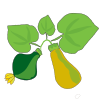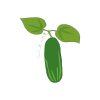
Courgettes, also known as zucchini, are fast-growing, warm-season vegetables valued for their tender texture and mild, slightly sweet flavour. They produce elongated green, yellow, or striped fruits that are harvested young for the best taste and softness. Large, lush leaves and bright yellow flowers make courgette plants a striking and productive addition to the vegetable garden.
Highly versatile in the kitchen, courgettes can be eaten raw or cooked in a wide range of dishes, from salads and stir-fries to soups, bakes, and breads. The plants are known for their generous yields, often producing fruit continuously throughout summer. Easy to grow and rich in vitamins and minerals, courgettes are a popular choice for gardeners seeking a reliable and rewarding crop.
How To Grow
How to Grow Courgettes
Sowing Indoors
Start seeds indoors 2–3 weeks before the last expected frost date. Sow seeds 2–3 cm deep in individual pots using a good-quality seed compost. Keep at 18–25°C for reliable germination, which usually occurs within 5–10 days. Grow on in a warm, bright position to prevent seedlings from becoming leggy.
Sowing Direct
Once all risk of frost has passed and the soil has warmed to at least 15°C, sow seeds directly outdoors 2–3 cm deep. Sow 1–2 seeds per station and thin to the strongest plant once established.
Choosing a Site
Select a position in full sun with at least 6–8 hours of direct sunlight per day. Courgette plants grow very large, so allow generous spacing of 80–100 cm between plants in all directions.
Soil Preparation
Courgettes are hungry plants that thrive in rich, fertile, well-drained soil. Dig in generous amounts of well-rotted compost or manure before planting. Aim for a soil pH of 6.0–7.5.
Transplanting
Harden off indoor-raised seedlings gradually over 7–10 days before planting out. Transplant into prepared soil once night temperatures remain reliably above 10°C. Water in well.
Watering
Water deeply and regularly — courgettes have high water demands. Water at the base of the plant rather than overhead to reduce the risk of fungal disease. Consistent moisture is key to preventing blossom drop and poor fruit set.
Feeding
Apply a balanced fertiliser at planting and switch to a high-potassium liquid feed every 2 weeks once flowering begins to support fruit production.
Pollination
Courgettes produce separate male and female flowers. If fruit fails to set, hand-pollinate by transferring pollen from a male flower (long, thin stem) to a female flower (tiny fruit at its base) using a small brush or the male flower itself.
Mulching
Apply a thick layer of organic mulch around plants to conserve moisture, suppress weeds, and regulate soil temperature.
Harvesting
Harvesting Courgettes
When to Harvest
Courgettes are best harvested when they are 10–15 cm long (roughly finger to hand length). At this size the skin is tender, the flavour is at its peak, and the seeds inside are small and unobtrusive. Fruits left to grow larger become marrows — edible, but less flavourful and with a tougher texture.
Check plants every 1–2 days during peak season, as courgettes can double in size overnight in warm weather.
How to Harvest
Use a sharp knife or garden scissors to cut the fruit cleanly from the plant, leaving a short stem of 2–3 cm attached to the fruit. Avoid twisting or pulling, which can damage the main stem and introduce disease.
Harvesting Tips
- Pick in the morning when fruits are firm and cool.
- Harvest regularly — consistent picking encourages the plant to continue producing new fruits throughout the season.
- Remove any oversized or forgotten fruits immediately, as they divert energy away from new fruit production.
Harvesting the Flowers
Courgette flowers are edible and considered a delicacy. Harvest male flowers (those on long, thin stems without a swelling at the base) to avoid reducing fruit set. Pick them in the morning when fully open. Leave enough male flowers to ensure continued pollination of female flowers.
Storage
Store freshly harvested courgettes in the refrigerator for up to 1 week. Do not wash until just before use. Courgettes can also be sliced and frozen for longer storage, though the texture softens after freezing, making them best suited to cooked dishes.
End of Season
Harvest all remaining fruits before the first frost, as even a light frost will damage or ruin the crop. Remove and compost the spent plants once they have finished producing.
Common Problems
Common Problems with Courgettes
Powdery Mildew
A white, powdery fungal coating that appears on leaves, especially later in the season. It reduces the plant's vigour and can shorten the harvest period. Improve air circulation by spacing plants well, avoid overhead watering, and remove badly affected leaves. Organic sprays such as diluted bicarbonate of soda or milk solution can help suppress outbreaks.
Slugs and Snails
Young seedlings and soft new growth are particularly vulnerable. Use physical barriers such as copper tape, grit, or raised beds. Check under leaves and around the base of plants at night and remove any pests found.
Aphids
Clusters of small insects on stems and the underside of leaves can weaken plants and spread viral diseases. Encourage beneficial insects such as ladybirds and lacewings, or knock aphids off with a strong jet of water.
Poor Fruit Set
If fruits shrivel and drop before developing, this is usually caused by poor pollination. Hand-pollinate by transferring pollen from male to female flowers using a small paintbrush or by opening a male flower and brushing it directly onto a female flower (identified by the tiny proto-fruit at its base).
Courgette Yellow Mosaic Virus
Spread by aphids, this causes mottled yellowing of leaves and distorted fruit. There is no cure; remove and destroy affected plants promptly and control aphid populations to prevent spread.
Blossom End Rot
Dark, sunken patches at the fruit's tip are caused by calcium deficiency linked to irregular watering. Maintain consistent soil moisture and avoid irregular wet-dry cycles.
Root Rot
Overwatering or poorly drained soil can lead to root rot, causing sudden wilting. Ensure soil drains freely and water only when the top few centimetres of soil are dry.