About Dill
Dill (Anethum graveolens) is a fast-growing, aromatic annual herb belonging to the Carrot family (Apiaceae). With its feathery, blue-green foliage and tall, hollow stems, it is as ornamental as it is useful, and it earns a place in both the kitchen garden and the flower border.
Appearance
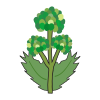
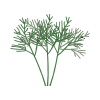
Dill is easily recognised by its delicate, thread-like leaves that resemble fern fronds, giving the plant an airy, almost cloud-like texture. In mid-summer it produces flat-topped clusters of tiny yellow flowers known as umbels — these are highly attractive to beneficial insects including bees, hoverflies, and predatory wasps. Depending on the variety, plants typically grow between 60 cm and 120 cm tall.
Flavour Profile
- Leaves (Dill Weed): Bright, sweet, and grassy with a distinctive hint of anise and lemon.
- Seeds: Stronger and more pungent, with a flavour closer to caraway — ideal for pickling and baking.
- Flowers: Aromatic and concentrated in flavour, often used whole in pickle jars.
Culinary Uses
Dill is a globally important culinary herb used across many cuisines. Fresh leaves complement fish, eggs, potato dishes, salads, and creamy sauces. Seeds are prized in pickling brines and spice blends. The flowers are used both for flavour and decoration in preserving.
Garden Value
Beyond the kitchen, dill plays an important ecological role in the garden. Its umbel flowers attract a wide range of beneficial insects, making it an excellent companion plant. It is quick to establish, self-seeds freely, and can help draw in the predatory insects that keep pest populations in check.
How To Grow
How to Grow Dill
Dill is one of the easiest herbs to grow from seed and rewards gardeners with rapid results. It prefers to be sown directly into its final growing position rather than started in containers, as its long taproot is easily disturbed by transplanting.
Sowing
- Direct sow into prepared ground once the soil temperature has reached at least 10°C and the risk of hard frost has passed.
- Choose a full sun position with light, well-drained soil.
- Sow seeds thinly at a depth of approximately 0.5–1 cm, in rows spaced around 30 cm apart.
- Water gently after sowing to avoid displacing the fine seeds.
- Seeds typically germinate within 7–14 days in warm conditions.
Thinning
Once seedlings reach about 5 cm tall, thin them to a final spacing of 20–25 cm apart. Crowded plants are more prone to bolting, mildew, and poor airflow.
Watering
Keep the soil consistently moist during establishment. Once plants are growing strongly, they are reasonably tolerant of short dry spells, but prolonged drought will trigger early bolting.
Support
In exposed or windy positions, tall varieties may need light staking or the support of neighbouring plants. Growing dill alongside other tall herbs or near a sheltered wall or fence can help.
Succession Sowing
Dill is a fast-maturing annual that bolts (flowers and sets seed) relatively quickly, especially in warm weather. For a continuous supply of fresh leaves, sow a small batch of seeds every 2–3 weeks from spring through to mid-summer. This is the single most effective technique for maximising your harvest.
Bolting Management
If you want leaves rather than seeds, pinch off flower heads as soon as they appear. This delays the plant's reproductive cycle and extends the period of leafy growth.
Harvesting
Harvesting Dill
Dill offers three distinct harvests at different stages of the plant's life cycle. Knowing when and how to harvest each part ensures you get the best flavour and the highest yield.
Harvesting Leaves (Dill Weed)
Leaves are at their most flavourful just before the plant flowers. Once flowering begins, the foliage can take on a slightly more bitter quality.
- Begin harvesting once the plant has at least 4–5 well-developed leaves and is around 15–20 cm tall.
- Use sharp scissors or snips to cut individual stems or leaflets cleanly.
- Apply the rule of thirds: never remove more than one-third of the plant at any one time, to allow it to continue growing.
- Harvest in the morning after any dew has dried, when essential oils are at their highest concentration.
Harvesting Flowers
The yellow umbel flower heads add flavour and visual appeal when used in preserving. Cut flower heads once they are fully open but before they begin to dry and turn brown.
Harvesting Seeds
If you want dill seeds for cooking or pickling, allow the plant to complete its natural life cycle.
- Wait until the green seeds turn flat and brown — this takes several weeks after flowering.
- Cut the entire flower head with a section of stem attached.
- Use the bag method: place the flower head upside down inside a paper bag and secure the opening around the stem.
- Hang the bag in a cool, dry, well-ventilated place for 1–2 weeks.
- Shake the bag to release the dried seeds, which will collect at the bottom.
Store dried seeds in an airtight container in a cool, dark place. They will retain their flavour for up to 2 years.
Common Problems
Common Problems with Dill
Pests
Aphids Soft-bodied aphids frequently cluster on the tender growing tips and undersides of dill leaves. They weaken the plant and can cause distorted, sticky foliage. Dislodge small colonies with a strong jet of water, or introduce beneficial insects such as ladybirds and lacewings. Avoid over-fertilising with nitrogen, which encourages the soft growth aphids prefer.
Caterpillars (Swallowtail / Parsley Worm) Dill is a favourite host plant for the caterpillars of certain swallowtail butterflies. While these are beautiful insects, their larvae can strip a plant quickly. Hand-pick caterpillars and relocate them if you can, or allow them to feed on sacrificial plants away from the main crop.
Carrot Root Fly Because dill belongs to the Carrot family (Apiaceae), it can attract the same carrot root flies that damage carrots and parsnips. Young seedlings near infested soil may have their roots attacked. Use fine insect mesh as a barrier, and avoid growing dill adjacent to carrots.
Diseases
Powdery Mildew In warm, dry conditions with poor air circulation, a white powdery coating can develop on leaves. Thin plants adequately to improve airflow, and avoid wetting foliage when watering.
Damping Off Seedlings in overly wet or cold, poorly drained soil may collapse at the base due to fungal damping off. Use well-drained growing medium, avoid overwatering, and do not sow into cold, waterlogged ground.
Cultural Problems
Bolting Dill bolts (runs to seed) rapidly, especially in hot weather or when stressed by drought. Once it flowers, leaf production slows and the foliage can become bitter. Prevent early bolting by keeping the soil consistently moist and pinching off flower heads as soon as they appear. Succession sowing every 2–3 weeks is the most reliable way to maintain a steady supply of fresh leaves.
Poor Germination Dill seed loses viability quickly. Always use fresh seed each season, and check that soil temperatures are consistently above 10°C before sowing. Old or improperly stored seed is a common cause of patchy germination.