Florence fennel (Foeniculum vulgare var. azoricum) is the sophisticated, versatile relative of common wild herb fennel. While wild fennel is grown for its feathery fronds and aromatic seeds, Florence fennel — also known as finocchio — is prized for its thick, crisp, bulb-like base that forms at the soil surface.
It is a cool-season vegetable with a distinctive flavour: a refreshing combination of celery-like crunch and a gentle anise sweetness that mellows dramatically when cooked.
The Anatomy of the Plant
Florence fennel grows in a distinct, architectural fashion:
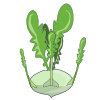
- The "Bulb": Not a true root bulb like an onion — it is a collection of overlapping, swollen leaf bases (known as a pseudo-bulb) that form tightly at the soil line.
- The Stalks: Tough, celery-like stalks rise from the bulb and are ideal for flavouring soups and stocks.
- The Fronds: Delicate, feathery, bright green foliage sits at the top of the plant, resembling dill. Rich in aromatic oils, these make a beautiful garnish and herb ingredient.
Culinary Profile
Fennel is extraordinarily versatile in the kitchen:
- Raw: Sliced paper-thin, it is crunchy, juicy, and delivers a bright anise note. It pairs classically with citrus, olive oil, and soft cheeses.
- Roasted or Braised: Heat transforms fennel entirely — the anise flavour mellows to a gentle sweetness with a nutty, almost creamy texture.
- Whole-plant Cooking: Every part is usable. The bulb is the vegetable, the fronds serve as an herb, the stalks add depth to stocks, and the seeds (if allowed to form) are a culinary spice.
Growing Considerations
Florence fennel has a reputation as a slightly demanding crop. It bolts (sends up a premature flower spike) if subjected to temperature stress, drought, or root disturbance — causing the bulb to turn woody and bitter. With careful timing and consistent watering, however, it is a rewarding and beautiful addition to any kitchen garden.
How To Grow
Growing Florence fennel successfully is primarily about managing stress. Because it bolts (flowers prematurely) under adverse conditions, the goal is to keep the plant cool, consistently moist, and growing at a steady pace.
1. Timing is Everything
Fennel is sensitive to both day length and temperature swings.
- Avoid early spring sowings in warmer periods — plants sown in early spring often bolt as temperatures rise before the bulb has formed.
- The reliable approach: Sow in late spring or midsummer so that bulbs swell during the cooler months of autumn, producing sweeter, crisper results.
- In mild climates, a second sowing in early autumn can yield a late-season crop.
2. Sowing and Spacing
Fennel develops a long taproot and strongly dislikes root disturbance.
- Direct sowing into the final growing position is strongly recommended.
- Sow seeds approximately 1 cm deep in fertile, well-drained soil.
- Once seedlings reach 5 cm tall, thin to 20–25 cm apart within rows, with 45 cm between rows.
- Prepare the soil well in advance by digging in well-rotted compost or aged manure.
3. Earthing Up (Blanching the Bulb)
To produce the pale, tender, sweet bulbs seen in markets, protect the base from sunlight.
- When the bulb begins to swell to roughly golf-ball size, draw soil up around the base of the plant.
- This process — known as earthing up or blanching — keeps the bulb sweet, white, and protected from light frosts.
4. Watering and Feeding
- Watering: Keep soil consistently moist. Irregular watering is the single most common cause of bolting and woody bulbs. Never allow the soil to dry out completely.
- Feeding: Avoid high-nitrogen fertilisers later in the growing period, as these encourage leafy growth at the expense of bulb development. A balanced, well-composted soil at planting is usually sufficient.
- Weeding: Keep the growing area clear — fennel does not compete well with weeds for moisture.
5. Companion Planting Caution
Fennel is one of the most allelopathic plants in the kitchen garden — it releases compounds that inhibit the growth of many neighbouring plants. Keep it away from tomatoes, beans, and most brassicas. A dedicated fennel patch, or placing it at the edge of the garden, is the safest approach.
6. Transplanting
While technically possible with great care using root trainers or deep modules, transplanting Florence fennel is risky. Even minor root disturbance can trigger bolting. Direct sowing is always preferable.
Harvesting
Harvesting Florence fennel at the right moment is critical for the best flavour and texture. Harvest too early and the bulb lacks substance; wait too long and it becomes fibrous and bitter.
When to Harvest
- Begin checking plants approximately 10–14 weeks after sowing.
- The ideal size: Harvest when the bulb reaches roughly the size of a tennis ball — approximately 7–10 cm in diameter.
- Watch for bolting: If a thick central flower spike begins to elongate rapidly, harvest immediately regardless of bulb size. A bolting fennel is still usable but deteriorates quickly.
How to Harvest
- Clear the base: Brush away any earthed-up soil from around the bulb.
- Cut cleanly: Using a sharp, clean garden knife, cut the bulb just above the soil line, leaving the root system undisturbed in the ground.
- Trim the top: Cut the long stalks approximately 2–5 cm above the bulb. Set the feathery fronds aside — they are excellent used fresh as a herb.
The Bonus Second Harvest
One of the most rewarding aspects of fennel harvesting is the regrowth potential. After removing the main bulb, leave the root in the ground. In mild weather, small tender side-shoots (fennellings) will often sprout from the cut base. These are sweet, delicate, and delicious eaten raw or lightly dressed.
Storage
| Method | Duration | Notes |
|---|---|---|
| Refrigerator crisper drawer | 3–5 days | Wrap in a damp cloth or perforated bag to maintain humidity |
| Standing in water | 1–2 days | Stand stalks in a glass of water like cut flowers to keep fronds fresh |
| Freezing | Up to 6 months | Blanch sliced fennel in boiling water for 1 minute before freezing |
Using Every Part
- Stalks: Too fibrous for raw eating, but invaluable in fish stock, vegetable broth, or as an aromatic base for braising.
- Fronds: Use immediately as a fresh herb — they wilt quickly. Ideal as a garnish for fish dishes, stirred into salad dressings, or chopped into yoghurt dips.
- Seeds (if the plant bolts and flowers): Harvest dried seed heads and use the seeds as a spice.
Common Problems
Florence fennel faces a handful of common problems that gardeners should watch for.
Bolting (Premature Flowering)
The most common issue. When the plant sends up a tall flower spike before the bulb has fully formed, the bulb becomes woody and bitter. Causes include:
- Sudden heat spikes or prolonged high temperatures
- Inconsistent watering — even one period of drought can trigger it
- Transplant shock from root disturbance
- Sowing too early in spring, causing plants to mature during peak summer heat
Prevention: Sow at the right time (late spring or midsummer for autumn harvest), water consistently, and choose bolt-resistant varieties.
Aphids
Greenfly and blackfly can colonise the soft stems and leaf bases, particularly in warm, dry spells. They weaken the plant and can transmit viral diseases. Treatment: Blast off with a jet of water, encourage natural predators such as ladybirds and lacewings, or use an insecticidal soap spray.
Slugs and Snails
Young seedlings are particularly vulnerable. Prevention: Use copper tape barriers, lay grit or crushed eggshells around plants, or set beer traps.
Carrot Fly (Psila rosae)
Fennel belongs to the same family as carrots and can attract carrot fly, whose larvae tunnel into the root area. Prevention: Cover plants with fine insect mesh, avoid thinning on warm evenings (which releases scent), and rotate crops annually.
Powdery Mildew
In dry conditions with warm days and cool nights, a white powdery coating may appear on leaves. Improve air circulation, avoid wetting foliage, and remove affected material promptly.
Woody or Hollow Bulbs
Often caused by water stress or harvesting too late. Harvest promptly once the bulb reaches tennis-ball size.