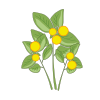
This is a generic Yellow Perennial Flower icon for use on the garden planner. Use it to represent any perennial yellow-flowering plant that is not included in the main plant list — such as Rudbeckia, Coreopsis, Helenium, Heliopsis, or similar species.
Perennial flowers return each year from their root system, making them a reliable and low-maintenance addition to any garden. Yellow-flowering perennials are particularly valued for their ability to attract pollinators such as bees and butterflies, supporting the health of neighbouring vegetable and fruit crops.
Use this placeholder to mark the position of your yellow perennial flowers within your garden plan, helping you track spacing, rotation, and companion planting arrangements across seasons.
How To Grow
Planting Most perennial yellow flowers can be grown from seed, division, or purchased plants. Sow seeds at a depth of around 0.5–1 cm in free-draining compost. Many perennial flowers benefit from a period of cold stratification before germination. Transplant seedlings outdoors after the risk of heavy frost has passed, or direct sow in a prepared bed.
Soil & Position Plant in a sunny to partially shaded position in well-drained to average soil. Improve heavy soils with organic matter before planting. Space plants approximately 20–30 cm apart depending on the species, giving them room to establish and spread over time.
Ongoing Care Water regularly during the first growing season to help plants establish. Once established, most yellow perennial flowers are reasonably drought tolerant. Deadhead spent blooms to encourage continued flowering. Cut back foliage in late autumn or early spring to keep plants tidy and promote vigorous new growth. Divide clumps every 3–4 years to maintain vigour and increase your stock.
Harvesting
Cutting Flowers Many perennial yellow flowers make excellent cut flowers. Harvest stems in the morning when blooms are freshly opened, cutting at an angle with clean, sharp scissors or secateurs. Place immediately into water to prolong vase life.
Edible Varieties Some yellow perennial flowers, such as certain Helianthus (perennial sunflower) species and Calendula relatives, have edible petals that can be used as a garnish in salads, desserts, or drinks. Always confirm the specific species is edible before consuming any plant material.
Seed Saving Allow some flowerheads to fully mature and dry on the plant before collecting seeds for replanting the following year. Store seeds in a cool, dry place in a labelled paper envelope until needed.
Common Problems
Pests Aphids and slugs are the most common pests affecting perennial flowers, particularly on young growth in spring. Use physical barriers, encourage natural predators such as ladybirds, or apply an appropriate organic control if infestations are severe.
Diseases Powdery mildew can affect plants grown in dry conditions or with poor air circulation. Ensure plants are well spaced and avoid overhead watering where possible. Remove and dispose of affected foliage promptly.
Other Issues
- Overcrowding: Clumps that have not been divided for several years may lose vigour and flower less freely. Divide every 3–4 years.
- Waterlogging: Most yellow perennial flowers dislike waterlogged soils, which can cause root rot. Improve drainage before planting in heavy soils.
- Frost damage: New spring growth can be damaged by late frosts. Cover tender new shoots with fleece if a late frost is forecast.