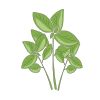
Ginger (Zingiber officinale) is an aromatic tropical rhizome that has fuelled global trade and stocked medicinal cabinets for millennia. While commonly called a root, ginger is technically a creeping underground stem — a rhizome — that stores energy for the plant's lush, tropical foliage above ground.
Appearance
Above the soil, ginger produces narrow, bright green, lance-shaped leaves on stalks reaching 60–90 cm tall, giving it an elegant, grass-like appearance. In truly tropical conditions it produces striking, cone-like flower spikes in shades of yellow-green and purple, though these rarely appear in cooler climates. Below ground lies the "hand" — a knobby, branching rhizome with thin, buff-coloured skin and a fibrous pale-yellow interior.
Flavour Profile
Ginger offers a clean, sharp heat distinct from chilli — it is peppery and citrusy when fresh, warmer and more complex when dried or ground. Pickled ginger takes on a sweet, tangy character.
Culinary and Medicinal Uses
Ginger is a cornerstone of many world cuisines and is renowned as a natural remedy for nausea, digestive complaints, and inflammation. Its key bioactive compound, gingerol, is responsible for its distinctive aroma and many of its health properties.
Fun Fact: The genus name Zingiber derives from the Sanskrit word singabera, meaning "horn-shaped" — a reference to the antler-like form of the rhizome.
How To Grow
Ginger is a tropical plant that demands warmth, moisture, and a long growing season of 8–10 months. In cooler temperate climates it is best grown in containers that can be kept indoors or in a heated glasshouse for much of the year.
Starting Your Rhizome
Ginger is not grown from seed but from a piece of rhizome — a fresh, plump piece purchased from a grocery store or garden supplier works well. Choose a piece with visible "eyes" (small, pointed green or yellow buds, similar to a potato's eyes). Organic rhizomes are preferable as they are less likely to have been treated with sprout suppressants.
Pre-Sprouting:
- Soak the rhizome in warm water overnight to hydrate and remove any residual inhibitors.
- If the rhizome is large, cut it into sections ensuring each has at least two eyes.
- Allow cut pieces to dry for 24–48 hours to form a callous and reduce the risk of rotting.
Planting
Ginger spreads horizontally, so choose a wide, shallow container rather than a deep pot.
- Soil: Use a rich, free-draining potting mix with added compost.
- Depth: Place the rhizome with eyes pointing upward and cover with just 2–5 cm of soil.
- Temperature: Soil temperature must be consistently 22–25°C for sprouting to occur. A heated propagator is ideal.
Ongoing Care
| Requirement | Guidance |
|---|---|
| Light | Bright, indirect or filtered light. Avoid harsh, direct midday sun. |
| Watering | Keep soil consistently moist but never waterlogged. Mist leaves regularly to maintain humidity. |
| Feeding | Feed with a balanced liquid fertiliser every 2–3 weeks once shoots appear. |
| Temperature | Maintain temperatures above 15°C at all times. Move plants outdoors in warm weather but bring back inside before temperatures drop. |
Patience Required
Ginger can take 4–8 weeks to produce its first visible shoot — this is entirely normal. Once it begins growing, it develops rapidly into an attractive, leafy plant. Throughout the growing season you can harvest small "fingers" of young ginger from the pot's edge without disturbing the main plant.
Harvesting
Ginger offers two distinct harvesting approaches — small interim harvests throughout the growing season, or a single main harvest at the end of the growing year.
Young ("Green") Ginger — Interim Harvest
Around 4–5 months after planting, you can begin taking small amounts of young ginger from the pot's edge without disrupting the main plant.
- Gently move the soil aside at the container's rim to expose the outer rhizomes.
- Snap or cut off a small "finger" cleanly.
- Replace the soil and water the pot — the plant will continue growing.
Young ginger has thin, edible skin, no fibres, and a milder, juicier flavour. Use it fresh as it does not store for long.
Main Harvest — End of Season
For full-sized, mature ginger, wait until the plant signals the end of its season naturally.
Signs of readiness:
- The leafy stems begin to yellow and die back as the plant moves energy into the rhizome.
- This typically occurs after 8–10 months of growth.
Steps:
- Reduce watering once leaves are mostly yellowed — allow the soil to dry slightly over one week.
- Lift the plant carefully, tipping the pot or easing the root mass out by hand.
- Clean the rhizomes by shaking off soil, trimming dead stalks and fibrous roots, then rinsing thoroughly.
Curing for Storage
To develop the tough, papery skin associated with shop-bought ginger, cure the harvested rhizomes:
- Lay cleaned rhizomes in a warm, dry, well-ventilated spot for 3–7 days.
- The skin will thicken, extending storage life significantly.
Storage Options
| Method | Duration | Notes |
|---|---|---|
| Refrigerator | 3–4 weeks | Seal in an airtight bag with air removed. |
| Freezer | 6+ months | Freeze whole — ginger can be grated directly from frozen. |
| Alcohol jar | Several months | Submerge peeled slices in vodka or dry sherry, refrigerated. |
Replanting
When harvesting, set aside the healthiest, plumpest rhizome sections to replant and start the next season's crop.
Common Problems
Ginger is generally a robust plant when given the warmth and moisture it needs, but several issues can arise, particularly when grown outside its preferred tropical conditions.
Rhizome Rot
Symptoms: Mushy, discoloured rhizomes; foul smell; collapse of stems at the base. Cause: Overwatering or poorly draining soil, especially in cool conditions. Solution: Ensure the potting mix drains freely. Allow the soil surface to dry slightly between waterings. If rot is found, remove and discard affected sections and repot in fresh, dry compost.
No Sprouting
Symptoms: No shoot appears after several weeks. Cause: Soil temperature is too low (below 20°C), or the rhizome has been treated with a growth suppressant. Solution: Use a heated propagator to maintain consistent warmth. Soak rhizomes overnight before planting. Opt for organic rhizomes where possible.
Yellowing Leaves
Symptoms: Leaves turn pale yellow, particularly lower leaves. Cause: Overwatering, cold draughts, or nutrient deficiency. Solution: Check soil moisture and reduce watering if waterlogged. Move the plant away from cold windows or draughts. Apply a balanced liquid fertiliser.
Brown Leaf Tips
Symptoms: Dry, brown edges on leaves. Cause: Low humidity or direct scorching sun. Solution: Mist the leaves regularly, group plants together to raise humidity, or use a humidity tray. Move the plant out of direct midday sun.
Spider Mites
Symptoms: Fine webbing on undersides of leaves; small pale stippling on leaf surfaces. Cause: Hot, dry conditions — common when ginger is kept indoors. Solution: Increase humidity by misting frequently. Wipe affected leaves with a damp cloth. In severe cases, apply an insecticidal soap spray.
Fungal Leaf Spot
Symptoms: Brown or yellow circular spots on leaves. Cause: Excess moisture on foliage combined with poor air circulation. Solution: Avoid overhead watering. Improve ventilation around plants. Remove and dispose of heavily affected leaves.