Gooseberry
The gooseberry (Ribes uva-crispa) is a deciduous fruiting shrub that produces one of the most characterful and versatile fruits in the garden. Compact, hardy, and self-fertile, gooseberry bushes reward even beginner gardeners with generous crops year after year with minimal intervention.
Appearance
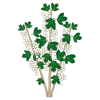
Gooseberries are roughly the size of a large marble, appearing in a range of colours depending on variety — from translucent pale green and golden yellow to deep red and purple. The skin is thin but taut, sometimes smooth and sometimes lightly bristled with soft hairs. Inside, the flesh is succulent and jelly-like, filled with small, edible seeds. The bush itself is thorny, with arching branches and small, lobed leaves.
Flavour
Green, unripe gooseberries are sharply tart — complex and bracing, with notes of green apple, citrus, and a hint of muscat grape. As they ripen and colour deepens, the sugar content rises and the flavour mellows towards something resembling plum or apricot. The flavour of a fully ripe dessert gooseberry eaten straight from the bush is a revelation compared to the raw green fruit used in cooking.
Culinary Uses
Gooseberries are prized in the kitchen for their high pectin content and natural acidity. They make exceptional jams, jellies, and chutneys, and hold their shape beautifully in tarts, pies, and crumbles. The classic gooseberry fool — fruit folded into whipped cream — is a simple and elegant dessert. Their sharpness also makes them a superb savoury accompaniment to rich, fatty meats such as mackerel, duck, or pork.
Garden Value
As one of the few fruits that crops reliably in partial shade, the gooseberry is an excellent choice for less-favoured spots in the garden. It is also one of the most cold-hardy of all soft fruits, thriving in climates with harsh winters, and can be grown as a traditional open bush, a space-saving cordon, or even in a large container.
How To Grow
How to Grow Gooseberries
Gooseberries are one of the most rewarding and undemanding fruiting shrubs you can grow. They are self-fertile, cold-hardy, and will produce reliable crops for 10–15 years or more once established.
Choosing a Variety
- Culinary varieties such as 'Invicta' or 'Careless' are prolific and tart, ideal for cooking, preserving, and baking.
- Dessert varieties such as 'Hinnomaki Red' or 'Whinham's Industry' develop sweetness when fully ripe and are perfect for eating fresh.
- Space-saving options: Gooseberries can be trained as single-stemmed cordons against a fence or wall, or grown in large containers on a patio.
Choosing a Site
- Sun: Full sun produces the sweetest fruit, but gooseberries are one of the few fruits that crop well in partial shade.
- Soil: Fertile, well-drained soil is ideal. Avoid waterlogged spots or areas prone to standing water.
- Shelter: Their early blossoms appear before the risk of late frosts has passed in many climates, so a sheltered position with good air circulation is beneficial.
Planting
Gooseberries are most commonly planted as bare-root bushes during dormancy (late autumn to late winter), or as container-grown plants at almost any time of year.
- Prepare the soil: Dig in well-rotted compost or manure before planting.
- Soak bare roots: Immerse the roots in water for an hour before planting.
- Plant at the correct depth: Identify the original soil mark on the stem and plant to the same depth.
- Spacing: Allow approximately 1.5 m (5 ft) between individual bushes; 30–45 cm between cordon plants.
- Firm in well and water thoroughly after planting.
Ongoing Care
- Mulch generously each spring with well-rotted compost to retain moisture and suppress weeds — keep mulch clear of the stem.
- Water regularly during the first growing season and during dry spells when fruit is swelling.
- Feed with a balanced general fertiliser in early spring, and a potassium-rich feed once growth begins.
- Prune each winter into an open, goblet-shaped framework to maximise airflow, reduce disease risk, and make picking easier.
Bird Protection
Birds will target ripening berries eagerly. Net the bush once fruit begins to colour to protect the harvest.
Harvesting
Harvesting Gooseberries
One of the great advantages of gooseberries is that they offer a double harvest — two distinct picking opportunities that yield fruit suited to completely different uses.
Essential Preparation
Gooseberry bushes are armed with sharp thorns. Before harvesting:
- Wear thick leather or heavy-duty gloves
- Put on long sleeves to protect your forearms from inner branches
- Use a shallow basket or colander — deep containers allow the weight of upper berries to crush those below
Stage One: The Green Harvest (Early Summer)
This first harvest is primarily for culinary use and serves the dual purpose of thinning the crop.
- Pick berries when they are full-sized but still firm and bright green
- Remove approximately half the berries from each branch, leaving space between the remainder
- The berries left behind will swell significantly larger and sweeter as the season progresses
- Green gooseberries are perfect for jams, pies, crumbles, and tarts where their sharp tartness is a virtue
- A gentle tug should detach the berry cleanly with its short stalk attached
Stage Two: The Ripe Harvest (Mid to Late Summer)
This is the dessert harvest — fruit for eating fresh or using in recipes where sweetness and depth of flavour are desired.
- Look for berries that have changed colour according to variety (translucent yellow, blush pink, or deep red/purple)
- They should feel slightly soft when gently pressed between the fingers, similar to a ripe grape
- The best test is a taste — ripe gooseberries are noticeably sweet with a thin, tender skin
- Handle carefully at this stage; ripe fruit is delicate and bruises easily
- Cradle and twist gently rather than pulling sharply
Preparing the Harvest
Before eating or cooking, gooseberries need topping and tailing:
- Wash thoroughly in cold water
- Snip off the dried flower remnant at the base (the 'tail') and the stalk at the top (the 'top') using kitchen scissors or fingernails
Storing and Freezing
- Fresh gooseberries keep in the refrigerator for up to a week
- They freeze exceptionally well — top, tail, wash, and dry before spreading on a tray to freeze individually before bagging
- No blanching is required; frozen gooseberries retain their flavour and texture well for cooking
Common Problems
Common Gooseberry Problems
American Gooseberry Mildew
This is the most serious and widespread disease affecting gooseberries. A powdery white or grey fungal coating appears on young shoots, leaves, and developing fruit in late spring and summer. Affected shoot tips often curl and distort. Improve airflow by pruning to an open goblet shape each winter, and avoid over-feeding with high-nitrogen fertilisers. Remove and dispose of affected growth promptly. Choose mildew-resistant varieties such as 'Invicta' or 'Hinnomaki Red' where possible.
Gooseberry Sawfly
The larvae of the gooseberry sawfly can completely defoliate a bush remarkably quickly — sometimes within days. The pale green caterpillars with black spots begin feeding at the centre of the bush in spring, making them easy to miss until significant damage has occurred. Inspect the undersides of leaves from mid-spring onwards. Hand-pick small infestations. Encourage natural predators such as birds and ground beetles by maintaining surrounding habitat.
Botrytis (Grey Mould)
In cool, wet conditions, grey mould can affect stems and fruit. Ensure good air circulation through regular pruning and remove any dead or dying plant material promptly.
Aphids
Currant blister aphid and other aphid species can cause puckering and blistering of leaves in spring. Colonies are often found on the underside of leaves. Encourage aphid predators, or use a strong jet of water to dislodge small colonies.
Bird Damage
Birds are extremely fond of ripening gooseberries. Net the bush once the fruit begins to colour and swell to prevent significant losses before harvest.