Purple Kohlrabi (German Turnip)
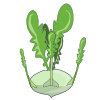
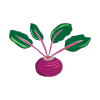
Often described as looking like a space vegetable or a Sputnik satellite, Purple Kohlrabi (Brassica oleracea var. gongylodes) is a striking, unusual-looking member of the cabbage family. Despite its common name "German Turnip," it is not a root vegetable — the edible part is a swollen stem that develops just above the soil surface, making it a true stem vegetable.
Appearance and Texture
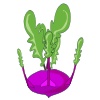
The purple variety features a stunning deep violet to royal purple skin, which is purely superficial — once peeled, the flesh inside is crisp and creamy white. Long, sturdy green petioles sprout from the bulb, topped with waxy, kale-like leaves that are also edible. The texture is dense and snappy, similar to a broccoli stem or a very crisp apple.
Flavour Profile
The taste is often described as a milder, sweeter version of broccoli stems or cabbage heart, with a subtle peppery undertone reminiscent of radish and a finish of distinct nutty sweetness. Purple kohlrabi tends to be slightly sweeter than its green counterpart and may exhibit marginally greater pest resistance, though both can be used interchangeably in the kitchen.
Nutritional Value
Kohlrabi is an excellent source of vitamin C, potassium, and dietary fibre. The leaves are nutritious and can be cooked in the same way as kale or other leafy greens, making this a highly productive, low-waste crop.
Selection and Storage
Harvest and select bulbs around the size of a tennis ball (5–8 cm diameter). Larger bulbs can become woody and fibrous. Remove leaves and store the bulb in the cool and dark; it will remain crisp for several weeks. The purple skin can be tough on larger bulbs, so peeling before eating raw is recommended.
How To Grow
How to Grow Purple Kohlrabi
Purple kohlrabi is one of the fastest-maturing vegetables you can grow, and that vivid purple skin looks stunning against garden foliage. It thrives in the cool periods of the growing season — spring and autumn/fall — making it a perfect crop for extending your harvest window.
Timing and Temperature
Kohlrabi is a cool-season crop that grows best when temperatures are between 7°C and 24°C. It can tolerate light frost, which actually enhances the sweetness of the bulb.
- Spring crop: Sow seeds 4–6 weeks before the last expected frost date for your area.
- Autumn/Fall crop: Sow seeds in late summer, approximately 6–8 weeks before the first hard frost, for a late-season harvest.
- Avoid sowing when prolonged cold is forecast for very young seedlings, as this can trigger premature bolting.
Soil and Site Preparation
- Sunlight: Full sun is ideal, but kohlrabi tolerates partial shade, particularly in warmer spells.
- Soil: Rich, well-draining soil with plenty of incorporated organic matter (compost or well-rotted manure).
- pH: Aim for slightly acidic to neutral soil — approximately 6.0 to 6.8. Raising pH also helps prevent clubroot disease.
- Rotation: Always rotate brassica crops to a new bed each year to minimise soil-borne disease build-up.
Sowing Seeds
Kohlrabi can be sown direct into the ground or started indoors and transplanted, though it has a somewhat sensitive taproot so direct sowing is often more reliable.
- Depth: Sow seeds approximately 1 cm deep.
- Initial spacing: Sow seeds 5 cm apart, then thin seedlings to 15–20 cm apart once they are a few centimetres tall.
- Row spacing: Keep rows approximately 30 cm apart to allow good airflow and reduce disease risk.
- For a continuous supply, make successional sowings every 2–3 weeks throughout the cool season.
Care and Maintenance
The secret to tender, crisp kohlrabi is rapid, uninterrupted growth.
- Watering: Keep the soil consistently and evenly moist. Irregular watering causes the bulbs to crack and become fibrous.
- Mulching: Apply a layer of straw or compost around the base of plants to retain soil moisture, suppress weeds, and keep roots cool.
- Feeding: Well-prepared soil with organic matter is usually sufficient. If growth appears slow, apply a balanced general fertiliser once mid-season.
- Pest protection: Cover plants with fine insect mesh to protect against cabbage white butterflies and cabbage root fly, particularly for spring crops.
- Weed control: Keep the bed weed-free to reduce competition for moisture and nutrients.
Harvesting
Harvesting Purple Kohlrabi
Harvesting kohlrabi is all about timing. Because the edible part is a swollen stem rather than a root, you can monitor progress daily as the purple bulb expands above the soil line. Getting the timing right makes the difference between a deliciously crisp, sweet vegetable and a tough, fibrous disappointment.
The Golden Rule: Size Matters
The most common harvesting mistake is waiting too long. Kohlrabi is at its peak sweetness and crunch when the bulb is between 5 cm and 8 cm in diameter.
| Size | Description | Best Use |
|---|---|---|
| Golf ball (≤5 cm) | Extremely tender; skin often thin enough to eat | Raw, whole or sliced |
| Tennis ball (5–8 cm) | The classic sweet spot for flavour and texture | Raw, roasted, stir-fried |
| Larger (>8 cm) | Interior becomes woody and fibrous | Avoid — past its best |
Check plants regularly once they reach golf-ball size, as growth can accelerate rapidly in warm conditions.
How to Harvest
You do not need to pull the entire plant out of the ground like a root vegetable. Instead:
- Locate the base: Find the thin part of the stem between the purple bulb and the soil surface.
- Cut cleanly: Use a sharp garden knife or heavy-duty shears to slice through the main stem approximately 1 cm below the bulb.
- Trim the petioles: Remove the long leaf stems (petioles) sprouting from the sides of the bulb after cutting.
Don't Discard the Leaves!
The leaves are entirely edible and highly nutritious. Cook them in the same way as kale — sautéed, added to soups, or lightly steamed. Harvest them while still fresh and green for the best flavour.
Storage After Harvest
- Remove leaves from the bulb and store separately (leaves deteriorate faster).
- Store the bulb in a cool, dark place. It will remain crisp for several weeks under good conditions.
- For raw eating, use a vegetable peeler or paring knife to remove the purple skin on medium or larger bulbs until you reach the pale, creamy white flesh. Very small bulbs harvested young often have thin enough skin to leave on.
Successional Harvesting
For a prolonged harvest, sow seeds every 2–3 weeks throughout the cool season rather than all at once. This ensures a steady supply of perfectly sized bulbs rather than a glut.
Common Problems
Common Problems with Purple Kohlrabi
Pests
Cabbage White Butterfly & Caterpillars One of the most significant threats. The larvae feed voraciously on leaves and can defoliate plants rapidly. Check the undersides of leaves regularly for clusters of pale yellow eggs and pick off caterpillars by hand. Fine insect mesh or fleece placed over plants is highly effective as a physical barrier.
Cabbage Root Fly The larvae tunnel into the base of the stem, causing wilting and stunted growth. Brassica collars placed flat around the base of each plant at transplanting time help deter the fly from laying eggs. Crop rotation is essential to break the cycle.
Aphids Mealy cabbage aphid in particular clusters on the undersides of leaves, causing distortion and yellowing. Encourage natural predators such as ladybirds and lacewings. A strong jet of water or insecticidal soap spray can reduce populations.
Slugs and Snails Young seedlings are especially vulnerable. Use physical barriers, traps, or biological controls. Mulching with sharp grit around plants can deter movement.
Diseases
Clubroot (Plasmodiophora brassicae) A serious soilborne disease causing swollen, distorted roots and stunted yellow plants. There is no cure once established. Prevention involves maintaining good drainage, liming to raise soil pH above 7.0, practising a strict crop rotation of at least four years, and avoiding introducing infected soil on tools or boots.
Downy Mildew Yellow patches on upper leaf surfaces with grey-purple mould on the undersides, encouraged by cool, wet conditions. Improve air circulation by correct spacing, avoid overhead watering, and remove affected leaves promptly.
Powdery Mildew A white powdery coating on leaves, usually during warm, dry spells. Ensure plants are well watered and not stressed. Remove badly affected foliage.
Black Rot (Xanthomonas campestris) A bacterial disease causing V-shaped yellow lesions at leaf margins and blackened veins. Remove and destroy affected plants immediately. Do not compost infected material. Crop rotation and sourcing certified disease-free seed are the best preventive measures.
Cultural Problems
Woody or Fibrous Bulbs Caused by leaving the bulb in the ground too long or by irregular watering and heat stress. Harvest at the correct size (5–8 cm diameter) and maintain consistent soil moisture.
Bolting (Running to Seed) Triggered by prolonged cold temperatures on young plants (vernalisation) or heat stress. Choose bolt-resistant varieties where possible and avoid transplanting very small seedlings during cold snaps.