Leek (Allium ampeloprasum)
Often described as the sophisticated cousin of the onion, the leek is a versatile cool-season vegetable prized for its mild, sweet flavour and buttery texture. Unlike the sharp pungency of a raw onion, leeks offer a delicate, herbaceous depth that makes them a cornerstone of many culinary traditions worldwide.
Appearance and Structure
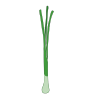
Leeks are easily identified by their long, cylindrical stalks composed of tightly wrapped leaf sheaths. The lower white-to-pale-green shank is the most prized part, kept tender and sweet by excluding light through a practice called blanching (earthing up soil around the base as the plant grows). The upper flags — broad, flat, dark blue-green leaves — are tougher and are often used to flavour stocks rather than eaten directly.
Flavour Profile
- Mild and sweet — especially when cooked, they develop a gentle sugary note
- Silky and creamy — when sautéed or braised they melt into a soft, velvety texture
- Herbaceous — a faint green freshness sets them apart from other alliums
Culinary Uses
Leeks work beautifully in soups, quiches, tarts, gratins, braised dishes, and as an aromatic base alongside carrots and celery. They pair especially well with eggs, cream, cheese, and root vegetables. Even the tough dark green tops add incredible depth to homemade stocks and broths — never discard them.
Varieties to Consider
- Early/summer varieties — faster maturing, harvested from midsummer; less cold-tolerant
- Late/winter varieties — slower to mature but extremely frost hardy, providing fresh harvests through the coldest months
How To Grow
How to Grow Leeks
Leeks have a long growing season — typically 120 to 150 days from sowing to harvest — so an early start is essential to make the most of the growing season.
Sowing
Sow seeds indoors 8–12 weeks before the last expected frost, planting them approximately 1 cm deep in trays or pots. Seedlings emerge looking like tiny blades of grass. When they reach about 15 cm tall, trim them back to around 8 cm — this encourages the plant to put energy into thickening the base rather than producing tall, floppy tops.
Transplanting — The Hole Method
Once seedlings are roughly pencil-thickness, they are ready to move outside:
- Prepare the soil — leeks thrive in deep, fertile, well-drained soil enriched with well-rotted compost.
- Make deep holes — use a dibber or thick stick to make holes 15–20 cm deep, spaced 15 cm apart in rows 20 cm apart.
- Drop and water in — drop one seedling into each hole. Do not backfill with soil. Simply water the hole gently; the water washes just enough soil over the roots to establish the plant while leaving space for the shank to develop.
Blanching for a Long White Shank
The tender white portion is the most desirable part of the leek. To maximise its length:
- Earth up regularly by drawing soil, compost, or mulch up around the base of the plants every few weeks as they grow.
- The portion shielded from light remains white and tender; the exposed upper section turns green and tougher.
Ongoing Care
- Watering — leeks have relatively shallow roots and need consistent moisture, roughly the equivalent of 2–3 cm of rain per week during dry spells.
- Feeding — a nitrogen-rich liquid feed applied monthly encourages strong leafy growth.
- Weeding — leeks grow upright and offer little ground cover, so they compete poorly with weeds. Keep rows clear throughout the season.
- Direct sowing — leeks can also be sown directly into the ground in spring once soil temperatures reach at least 7°C, though transplanting typically gives better results.
Harvesting
Harvesting Leeks
One of the great advantages of leeks is their flexibility at harvest time — they do not have a narrow ripeness window and can often be left in the ground and harvested as needed over many weeks.
When to Harvest
- Baby leeks — harvest when the shank is roughly finger-width for an exceptionally sweet, tender flavour.
- Mature leeks — most gardeners wait until the white shank reaches 2–4 cm in diameter.
- Winter varieties — these can remain in the ground through hard frosts and be harvested as required throughout the coldest months, making them a valuable source of fresh vegetables when little else is available.
How to Harvest
Leeks anchor themselves deeply in the soil, especially if they have been earthed up. Pulling from the top will snap the shank.
- Use a garden fork or narrow spade — insert it vertically into the soil 8–10 cm away from the base of the plant to avoid piercing the shank.
- Lever upward — gently prise the soil open while simultaneously pulling the plant steadily from the base.
- Shake off soil — give the leek a firm shake to dislodge large clumps of earth.
Field Preparation Before Taking Indoors
- Trim the roots to about 1 cm with garden shears to reduce mud carried inside.
- Remove any excessively long, yellowed, or damaged outer leaves.
Cleaning
Leeks are notorious for harbouring grit and soil between their inner layers because they grow from the inside out as soil is mounded around them. To clean thoroughly:
- Slice lengthwise from just above the root end through to the top.
- Fan the layers open while holding the root end intact.
- Rinse under cold running water, working through each layer to flush out all trapped soil and grit.
Storage
- Short term — wrap loosely in a damp cloth and store in the refrigerator crisper drawer; they will keep for up to two weeks.
- In the ground — in climates where the soil does not freeze solid, leeks can remain in the bed and be harvested as needed through the winter months — effectively using the garden as a larder.
Common Problems
Common Leek Problems
Pests
Leek Moth (Acrolepiopsis assectella) The larvae tunnel into the centre of the leek shank and leaves, leaving characteristic pinholes and frass. Affected plants are weakened and the entry wounds invite rot. Use fine insect-proof mesh over crops to exclude egg-laying adults. Remove and destroy any affected plants promptly.
Allium Leaf Miner (Phytomyza gymnostoma) White maggots mine through leaves and stalks, creating pale blotch trails. Heavy infestations can cause significant damage. Exclusion netting and crop rotation are the primary defences.
Onion Thrips (Thrips tabaci) These tiny insects rasp the leaf surface, producing silvery streaking and flecking on the foliage. In hot, dry conditions populations can build rapidly. Maintain good soil moisture and remove plant debris promptly after harvest.
Slugs and Snails Young transplants are particularly vulnerable. Use physical barriers, traps, or biological controls around newly planted leeks.
Diseases
Leek Rust (Puccinia allii) Bright orange powdery pustules appear on the outer leaves from late summer onward. Primarily cosmetic in mild cases — the inner shank is usually unaffected — but severe infections weaken the plant. Improve air circulation by correct spacing, avoid excess nitrogen, and remove heavily infected foliage. There are no chemical controls available to most gardeners; choosing rust-resistant varieties is the most effective long-term strategy.
White Rot (Stromatinia cepivorum) A serious soilborne fungal disease producing fluffy white mycelium at the base of the plant and causing complete rotting of roots and shank. There is no cure once established. Avoid moving infected soil and practice a strict minimum 8-year crop rotation with other alliums. Do not compost affected plant material.
Damping Off Seedlings collapse at soil level due to fungal pathogens, typically caused by overwatering or poor air circulation. Sow in fresh, sterile compost, water with care, and ensure good ventilation.
Cultural Issues
- Bolting — leeks exposed to a prolonged cold spell during early growth, followed by warming temperatures, may bolt (send up a flower stalk). Once bolted the shank becomes tough and woody and is no longer palatable. Use bolt-resistant varieties if bolting is a recurring problem.
- Poor blanching — insufficient earthing up results in short, green shanks. Begin drawing soil around the base early and repeat every two to three weeks throughout the growing season.