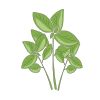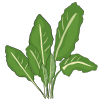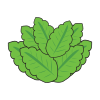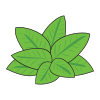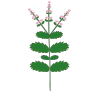
Mint (Mentha spp.) is a vigorous, spreading perennial herb prized for its intensely aromatic leaves, which are used in a wide range of culinary, medicinal, and beverage applications. From refreshing summer drinks and teas to classic sauces served alongside roast meats and new potatoes, mint is one of the most versatile herbs in the kitchen garden.
There are many varieties to explore — spearmint, peppermint, apple mint, chocolate mint, and many more — each with its own distinct fragrance and flavour profile. Mint spreads rapidly via underground rhizomes and can quickly become invasive if planted directly into open ground without restriction. For this reason, most gardeners grow mint in containers or use physical root barriers when planting it in beds. A pot by the kitchen door or on a windowsill provides convenient access for harvesting while keeping its spreading habit firmly under control.
How To Grow
Mint can be grown from seed, rooted cuttings, or purchased transplants. Seed is very fine — sow on the surface of moist compost and press in gently, covering with the thinnest layer of compost or vermiculite. Germination is best at 18–24°C and usually takes 10–16 days.
The most reliable method is to propagate from cuttings or divisions taken from an established plant. Simply take a 10cm cutting, remove the lower leaves, and place in water or damp compost until roots develop. Alternatively, divide an established clump in spring or autumn and replant.
Container growing is strongly recommended. Mint's rhizomes spread aggressively and will invade surrounding beds if left unchecked. Use a deep pot (at least 30cm) with good drainage holes, filled with a rich, moisture-retentive compost. If planting in the ground, sink a container or root-barrier membrane into the soil to contain the roots. Keep plants well watered and cut back regularly to encourage bushy, productive growth and prevent flowering, which can reduce leaf quality.
Harvesting
Mint leaves can be harvested from the moment the plant is established and growing strongly, usually within 6–8 weeks of planting out a rooted cutting or transplant. Harvest by pinching or cutting stems just above a leaf node — this encourages the plant to branch and produce more foliage rather than becoming leggy.
For the best flavour, harvest in the morning after any dew has dried but before the heat of the day. Avoid harvesting more than one-third of the plant at a time to maintain vigour. If the plant begins to flower, pinch out the flower buds promptly — once mint flowers, the leaves can become bitter and less flavourful.
At the end of the growing season, cut the plant back hard to just above ground level. This encourages fresh, vigorous regrowth in spring. Mint can also be harvested and dried or frozen for off-season use, though fresh leaves are far superior in flavour.
Common Problems
Invasiveness: The most common 'problem' with mint is its vigorous spreading habit. Underground rhizomes can travel surprisingly far and crowd out neighbouring plants. Always use containers or root barriers to keep it contained.
Mint rust (Puccinia menthae): This fungal disease appears as orange or brown powdery pustules on the undersides of leaves. Remove and destroy affected stems immediately and avoid overhead watering. Rotate pot compost every year to reduce spore build-up.
Powdery mildew: Common in hot, dry, or poorly ventilated conditions. Improve air circulation, water at the base of the plant, and remove heavily affected foliage.
Aphids: Mint can attract aphids, particularly in warm conditions. Blast off with water or use an insecticidal soap spray. Interestingly, the strong scent of mint is also known to deter many pest insects from surrounding plants.
Leafhoppers and spider mites: Can cause stippled, pale leaves. Keep plants well watered and remove affected growth. Spider mites thrive in hot, dry conditions — regular misting of foliage can help.