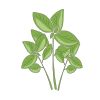
Often called the "pizza herb," oregano is much more than just a shaker topping. It’s a robust, woody perennial herb belonging to the mint family (Lamiaceae), known for its assertive flavour and incredible versatility in both the kitchen and the medicine cabinet.
Flavour Profile & Characteristics Oregano is famous for its pungent, earthy, and slightly bitter taste. It carries notes of camphor and lemon, providing a warm, peppery bite that cuts through rich flavours.
Fresh vs. Dried: Unlike many herbs, oregano actually shines when dried. The drying process concentrates its essential oils, making the flavour more intense and less "grassy" than the fresh leaves.
Aroma: Strongly aromatic; once it hits a hot pan or a simmering sauce, it releases a savoury fragrance that is instantly recognizable.
Note: Mexican oregano is actually from a different plant family (Verbenaceae). It’s bolder and holds up better against the heavy spices found in Latin American cuisine.
Culinary & Medicinal Uses The Kitchen Staple: It is the backbone of Southern Italian and Greek cuisines. It pairs perfectly with olive oil, lemon, garlic, and tomatoes.
The "Oil of Oregano": Beyond cooking, oregano contains carvacrol and thymol, compounds with antioxidant and antimicrobial properties. It has been used for centuries in traditional medicine to support immune health and digestion.
Fun Fact The word "oregano" comes from the Greek words oros (mountain) and ganos (joy). Literally translated, it means "joy of the mountain." It was a symbol of happiness in ancient Greece, where newlyweds were often crowned with wreaths of oregano
How To Grow
Growing oregano is a rewarding "low-effort, high-reward" project. Since it’s a Mediterranean native, the secret to success is simple: treat it a little mean. It thrives in sun and lean soil rather than being pampered with too much water or fertilizer.
Here is how to cultivate your own "joy of the mountain."
- Getting Started: Sun & Soil Oregano is a sun-worshiper. To develop those flavourful essential oils, it needs heat and light.
Light: Ensure it gets at least 6 to 8 hours of full sun per day. If growing indoors, a south-facing window is a must.
Soil: Use well-draining soil. If your garden has heavy clay, plant oregano in raised beds or containers with added perlite or sand. It prefers a pH between 6.5 and 7.0.
Spacing: If planting in the ground, space plants about 12 inches apart. Oregano tends to spread as a groundcover.
- Planting Methods You can start oregano from seeds, but be warned: they are slow to germinate and don't always taste like the parent plant.
From Cuttings/Nursery: This is the most reliable way to ensure good flavour. Plant in the spring once the danger of frost has passed.
From Seed: Start indoors 6–8 weeks before the last frost. Surface-sow them (don't cover with soil, as they need light to sprout) and keep them at roughly 21°C (70°F).
- Maintenance & Care The quickest way to kill oregano is overwatering.
Watering: Wait until the soil is completely dry to the touch before watering again. Stick your finger an inch into the dirt; if it feels moist, leave it alone.
Fertilizing: Generally unnecessary. Too much nitrogen will actually dilute the flavour of the leaves. A little compost in the spring is plenty.
Pruning: Once the plant is about 6 inches tall, pinch the tips back. This encourages the plant to grow "bushy" rather than "leggy."
- Harvesting for Peak Flavour The flavour of oregano is most intense just before the plant blooms.
The Snip: Cut stems in the morning after the dew has dried.
The Rule: Never harvest more than one-third of the plant at a once, or you might shock it.
Drying: Hang bundles of stems upside down in a dark, airy place. Once the leaves are brittle, crumble them into an airtight jar
Harvesting
To get the most flavour out of your oregano, timing is everything. Because the plant stores its aromatic oils in the leaves, you want to harvest when those oils are at their peak concentration.
Here is the best way to harvest oregano without harming the plant.
- Timing the Harvest The "Golden Rule" of oregano is to harvest just before the plant flowers. Once the tiny purple or white flowers appear, the leaves can become bitter or lose their punch.
Best Time of Day: Early morning, right after the dew has evaporated but before the sun gets too hot. This is when the essential oils are most potent.
Plant Maturity: Wait until the plant is at least 4 to 6 inches tall before taking your first significant harvest.
- The Proper Technique Don't just pluck individual leaves; it’s better for the plant if you take entire stems.
The Cut: Use sharp, clean garden snips or scissors. Cut the stem about 1/2 inch above a leaf node (the spot where new leaves emerge). This encourages the plant to branch out and become bushier.
The "One-Third" Rule: Never harvest more than one-third of the entire plant at a time. If you scalp the plant, it may struggle to recover or stop producing altogether.
Frequent Trimming: Even if you don't need the herb for cooking, regular light trimming every few weeks keeps the plant from getting "woody" and prevents early flowering.
- Preparation for Use Once you've brought your clippings inside, follow these steps:
Rinse & Dry: Give the stems a quick, gentle rinse in cool water to remove dust or garden hitchhikers (bugs). Pat them completely dry with a paper towel.
Stripping the Leaves: If using fresh, hold the top of the stem and run your fingers down toward the base. The leaves should pop right off
Common Problems
Oregano is generally a robust and trouble-free herb, but a few issues can arise, especially in wetter or more humid conditions.
Common Problems
Root Rot
The most frequent killer of oregano is overwatering or poor drainage. If the lower leaves yellow and the stems become soft at the base, root rot is likely. Immediately reduce watering, improve drainage, or repot container plants into fresh, gritty compost. Remove any blackened or mushy roots before replanting.
Aphids
Small colonies of aphids can cluster on tender new growth and flower buds. They are usually manageable with a strong jet of water, insecticidal soap spray, or by encouraging natural predators such as ladybirds and lacewings.
Spider Mites
In hot, dry indoor or greenhouse conditions, spider mites may appear, causing fine stippling on leaves and delicate webbing on stems. Increase humidity slightly and treat with an appropriate organic spray if infestations are severe.
Powdery Mildew
In humid, poorly ventilated conditions, powdery mildew can coat leaves with a white dusty film. Improve air circulation, avoid overhead watering, and remove affected material promptly.
Legginess
Without regular harvesting or pruning, oregano can become woody and leggy, with sparse leaf production. Cut stems back by up to one-third regularly to encourage bushy, productive new growth.
Leaf Miners
Occasionally, leaf-mining insects tunnel through foliage, leaving pale trails. Remove and destroy affected leaves to prevent spread.