Often overshadowed by its flashy orange cousin, the carrot, the parsnip is the unsung hero of the winter garden. This ivory-coloured root vegetable is a master of transformation, turning from a firm, woody root into a sweet, nutty delicacy when exposed to the cold.
Appearance and Flavour At first glance, a parsnip looks like a ghostly, oversized carrot. However, its flavour profile is far more complex:
Sweetness: Parsnips contain more sugar than carrots. This sweetness intensifies after the first frost of the season, as the plant converts its starches into sugars to survive the cold.
Aroma: They possess a distinct earthy, herbal scent—think of a mix between celery, nutmeg, and fresh pine.
Texture: Once cooked, the flesh becomes incredibly creamy and tender, making it a favourite for purees and mashes.
Culinary Versatility The parsnip is a powerhouse in the kitchen, especially during the autumn and winter months.
The Roast: It is perhaps best known as a staple of the British Sunday roast. When honey-glazed and roasted at high heat, the edges caramelize into a chewy, candy-like treat.
Soups and Stews: Its natural sugars add depth to savoury broths, acting as a bridge between salty meats and aromatic herbs.
The "Chip" Alternative: Thinly sliced and fried or air-fried, parsnips make for an addictive, slightly sweet alternative to potato chips.
Baking: Much like carrots, grated parsnips can be used in cakes and muffins to provide moisture and a spiced, earthy sweetness.
Nutritional Punch Don't let the pale colour fool you; parsnips are nutrient-dense. They are an excellent source of fibre, Vitamin C, Vitamin K, and folate. They also provide a healthy dose of antioxidants that support immune health.
Chef's Tip: When shopping, look for small to medium-sized parsnips. The massive ones tend to have a "woody" core that can be tough and bitter, requiring you to core them before cooking
How To Grow
Growing parsnips requires a bit of patience—they are one of the longest-maturing vegetables in the garden—but the reward of a frost-sweetened harvest is well worth the wait.
- Timing and Soil Prep Parsnips are a cool-weather crop. You should sow them in early to mid-spring, as soon as the soil is workable.
The Soil: This is the most critical step. Parsnips need deep, stone-free, sandy soil. If they hit a rock or heavy clay, the root will "fork" (split into multiple legs).
No Fresh Manure: Avoid adding fresh manure right before planting; high nitrogen levels can cause the roots to grow hairy or misshapen.
Depth: Dig the soil to at least 12 inches deep to ensure the roots can grow straight down.
- Sowing the Seeds Parsnip seeds are notoriously short-lived and have a low germination rate. Always use fresh seeds bought for the current season.
Direct Sow: Parsnips do not like their roots disturbed, so do not start them in pots. Sow them directly into the ground.
Spacing: Sow seeds about 1/2 inch deep. Since germination is finicky, sow 3–4 seeds every 6 inches, then thin them later.
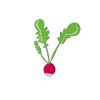
The "Radish Trick": Parsnips can take up to 3 weeks to sprout. To mark your rows, plant a few radish seeds in between. The radishes will pop up quickly, showing you where the row is, and you’ll harvest them before the parsnips need the space.
- Care and Maintenance Once they’ve sprouted, parsnips are relatively low-maintenance, but they don't like competition.
Thinning: Once the seedlings are about 1 inch tall, thin them so there is only one plant every 6 inches.
Weeding: Keep the area meticulously weed-free. Because parsnips grow slowly at first, they are easily smothered by faster-growing weeds.
Watering: Water consistently during dry spells. Uneven watering can cause the roots to split.
- The Harvest (The Secret Ingredient) This is where most beginners make a mistake: don't harvest too early.
Wait for Frost: While you can eat them in late autumn, parsnips taste best after they have experienced two or three hard frosts. The cold triggers the plant to turn its starch into sugar.
Lifting: Use a garden fork to gently loosen the soil around the root. Parsnips can be very long, and snapping them off in the ground is a common (and heart breaking) rite of passage for gardeners.
Overwintering: In most climates, you can actually leave parsnips in the ground all winter and dig them up as needed, provided the ground isn't frozen solid
Harvesting
Harvesting parsnips is a game of finesse. Because they are long, tapering taproots, they are incredibly easy to snap if you try to "pull" them like a carrot.
Here is the step-by-step guide to a successful, unbroken harvest.
- The Right Time to Lift The Frost Rule: As mentioned, wait until after at least one or two hard frosts. In the UK, this usually means from late October through February. The cold converts starches to sugars, making them much sweeter. +1
The Foliage Cue: When the green leafy tops begin to turn yellow and die back, the plant has finished its growth cycle and is ready.
The February Window: If you haven't harvested yet, do so by early March. Once the weather warms, the parsnip (a biennial) will start growing again to produce seeds, which makes the root woody, bitter, and inedible.
- Tools of the Trade Do not rely on your hands alone. You will need:
A Long-Handled Garden Fork: This is the gold standard for lifting roots.
Gardening Gloves: Important! Parsnip foliage contains sap (furocoumarins) that can cause skin irritation or "burns" when exposed to sunlight. Always wear gloves and long sleeves when handling the leaves.
- The "Lift and Lever" Technique Clear the Area: Cut the foliage down to about 1 inch above the "shoulder" (the top of the root) so you can see exactly where the parsnip is.
The Safe Distance: Insert your garden fork vertically into the soil about 3–4 inches away from the root. If you go too close, you risk "spearing" the parsnip.
Loosen the Soil: Push the fork deep—at least 8–10 inches. Gently rock the fork back and forth to loosen the earth.
The Circle Method: For very large parsnips, repeat this loosening action on the opposite side of the root.
The Gentle Lever: Apply downward pressure on the fork handle to lever the soil (and the parsnip) upward. Once the root is visible and the soil is loose, grasp the base of the stems and gently lift it out.
If you feel resistance, stop! Loosen the soil further. If you yank, the bottom third of your parsnip will stay in the ground forever.
- Post-Harvest Care Shake, Don't Wash: Shake off the loose dirt but avoid washing them if you aren't eating them immediately. The dirt acts as a protective layer.
Trim: Cut the remaining green tops off completely to prevent them from drawing moisture out of the root.
Storage: * In-Ground: You can actually leave them in the ground all winter and just dig them up when you're hungry (this is the best "storage" method).
Fridge: They will last 2–3 weeks in the vegetable drawer.
Root Cellar style: Store unwashed roots in a box of damp sand in a cool, dark shed or garage.
Pro Tip: If the ground is frozen solid, don't try to harvest—you'll just break your tools or the roots. If a deep freeze is coming and you want parsnips for Sunday roast, cover the row with a thick layer of straw or cardboard to keep the soil "diggable."
Common Problems
Common Parsnip Problems
Pests
Carrot Fly (Psila rosae) The most significant pest for parsnips. The larvae tunnel into roots, creating rusty brown channels that make roots inedible and vulnerable to rot. Symptoms include reddish-tinged foliage and scarred, tunnelled roots.
- Control: Cover crops with fine insect-proof mesh immediately after sowing. Avoid thinning in warm evenings when the fly is most active. Companion planting with strongly scented alliums can help deter adults.
Celery Leaf Miner Small fly larvae that mine inside leaf tissue, creating pale, blistered patches on foliage. Severe infestations weaken the plant.
- Control: Remove and destroy affected leaves promptly. Insect mesh provides good preventive protection.
Aphids Occasionally colonise young foliage, particularly in warm, dry spells. Heavy infestations can distort growth.
- Control: Encourage natural predators such as lacewings and ladybirds. Blast off with water or use an insecticidal soap spray.
Diseases
Parsnip Canker The most common disease problem. Orange-brown or black patches appear around the "shoulder" (crown) of the root, often spreading downward. Caused by a complex of fungal pathogens, often entering through physical damage or insect wounds.
- Prevention: Grow resistant varieties. Avoid damaging roots during weeding. Ensure good drainage. Rotate crops — do not grow parsnips in the same bed for at least 3–4 years.
Powdery Mildew A white, powdery fungal coating on leaves, usually appearing in late summer. Rarely fatal but weakens the plant.
- Control: Ensure good air circulation. Water at the base rather than overhead. Remove affected foliage.
Root Rot (Phytophthora spp.) Waterlogged or heavy clay soils encourage root rot, resulting in soft, discoloured, inedible roots.
- Prevention: Improve drainage before sowing. Avoid overwatering.
Growing Problems
Forked / Misshapen Roots Caused by stony soil, fresh manure, or obstructions in the root zone.
- Solution: Prepare soil deeply (at least 30 cm) and remove stones. Avoid fresh manure — use well-rotted compost.
Poor Germination Parsnip seed viability declines rapidly. Old seed is the number-one cause of germination failure.
- Solution: Always use fresh seed purchased for the current season. Sow at the correct soil temperature (at least 10°C for reliable germination) and keep soil moist.
Bolting (Running to Seed) If left in the ground too long into the following spring, parsnips will bolt, producing a flower stalk. The root becomes woody and bitter.
- Solution: Harvest all remaining roots before mid-spring, before warm temperatures trigger re-growth.
Skin Irritation (Phytophotodermatitis) Parsnip foliage and stems contain furocoumarins — compounds that cause severe skin burns when the sap contacts skin that is then exposed to sunlight.
- Prevention: Always wear gloves and cover exposed skin when handling parsnip plants, especially in bright conditions.