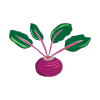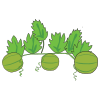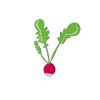
The radish (Raphanus sativus) is one of the fastest-maturing vegetables you can grow, capable of going from seed to harvest in as little as 25 days for quick spring varieties. A member of the Brassicaceae family — the same family as kale, cabbage, and broccoli — it is an excellent choice for beginners, children, and anyone looking for a quick, rewarding crop.
Flavour and Texture
Radishes are known for their crisp, crunchy texture and a distinctive peppery bite. That signature heat comes from isothiocyanates, the same compounds responsible for the sharpness of horseradish and mustard. The intensity of the flavour varies by variety and growing conditions — cool, moist conditions produce milder roots, while heat and drought ramp up the spice.
A Spectrum of Varieties
Radishes come in a wide range of shapes, sizes, and colours:
- Red Globe: The classic round variety — crunchy, mild, and fast-growing.
- Daikon: A long, white winter radish with a milder, juicier flavour, popular for pickling and stir-fries.
- Watermelon Radish: Greenish on the outside with a vivid pink interior — striking and mild.
- Black Spanish: Dark-skinned with a snow-white interior and a notably spicy, earthy flavour.
- French Breakfast: Elongated, with a red-to-white gradient, mild flavour, and traditionally eaten with butter and salt.
Culinary Uses
While excellent raw in salads, radishes are surprisingly versatile when cooked. Roasting mellows the sharpness and brings out a gentle sweetness. Quick-pickling creates a bright, acidic condiment. Even the greens are edible — they taste similar to mustard greens and can be sautéed or blended into pesto.
Nutrition
Radishes are roughly 95% water, making them a hydrating, low-calorie food. They are a useful source of Vitamin C, potassium, and antioxidants.
How To Grow
Radishes are one of the easiest and fastest vegetables to grow, making them ideal for beginners and a great confidence-builder for new gardeners. Most spring varieties can be harvested in as little as 25–30 days from sowing.
Timing
Radishes are a cool-season crop and grow best in spring and autumn when temperatures are mild. They can also be sown in late summer for an autumn harvest. In warm climates, avoid sowing during the hottest months as heat triggers bolting. For early crops, seeds can be started under cloches or fleece to warm the soil.
Soil Preparation
Loose, well-drained, and stone-free soil is essential for well-shaped roots. Compacted, stony, or heavy clay soils cause forked or stunted roots. Dig the bed over and remove any large stones before sowing. Radishes do not need rich soil — avoid adding fresh manure or high-nitrogen fertilisers, which promote lush leaves at the expense of root development.
Sowing
Radishes do not transplant well and should always be sown directly where they are to grow.
- Depth: Sow seeds approximately 1 cm deep.
- Spacing: Sow seeds 2–3 cm apart in rows spaced 15 cm apart, then thin seedlings to 10 cm apart once established.
- Succession sowing: Sow a short row every 10–14 days rather than the entire packet at once. This ensures a continuous supply rather than a glut.
Watering
Consistent moisture is the single most important factor in growing quality radishes. Allow the soil to dry out and then drench it, and the roots will split. Irregular watering also intensifies the peppery heat to an unpleasant level. Aim for steady, even moisture throughout the growing period.
Thinning
If seedlings emerge too thickly, thin them promptly so plants have space to develop their roots. The thinnings are edible — add them to salads or use as a microgreen.
Feeding
Radishes generally require no supplementary feeding if grown in reasonably fertile soil. Excess nitrogen encourages leafy growth over root development.
Container Growing
Radishes grow very well in containers or window boxes, provided the pot is at least 15 cm deep and drainage is good. They are an excellent choice for small spaces and balcony gardens.
Harvesting
Harvesting radishes at the right moment is key to getting the best flavour and texture. The window between perfectly crisp and woody or pithy is shorter than with most vegetables, so keep a close eye on developing roots.
When to Harvest
- Spring/summer varieties are typically ready 25–30 days after sowing. Check the specific variety's recommended days to maturity.
- Winter/daikon varieties take longer — often 60–70 days — and can be left in the ground longer in cool conditions.
How to Tell They Are Ready
As radishes mature, the shoulder (the top of the root) will begin to push above the soil surface. This is your clearest visual cue:
- Small round varieties: Harvest when the shoulder is approximately 2–2.5 cm in diameter, roughly the size of a large marble.
- Daikon/winter radishes: Can be left to grow larger, typically 5 cm or more in diameter depending on variety.
If in doubt, brush away a little soil at the base of the leaves and feel the root. A firm, round root is ready. A thin or undeveloped root needs a few more days.
How to Harvest
Grasp the base of the leaves firmly where they meet the root and pull straight upward. If the soil is dry or compacted, use a hand fork to loosen the earth beside the row first to avoid snapping the tops off.
After Harvest — A Critical Step
Remove the leafy tops immediately after pulling. If left attached, the leaves continue drawing moisture from the root, turning a crisp radish soft and spongy within hours.
> Tip: Don't discard the tops — radish greens are edible and taste similar to mustard greens. Sauté them in butter or blend into a spicy pesto.
Storage
- Store topped radishes in the refrigerator in a sealed bag or container. Most spring varieties keep well for up to one week.
- Re-crisping trick: If a radish has softened slightly, submerge it in a bowl of ice-cold water for 30 minutes — it will often regain much of its crunch.
Avoiding Common Problems
- Pithy roots: Caused by leaving radishes in the ground too long. The interior becomes airy and spongy. Harvest promptly.
- Bolting: If a tall central flower stalk appears, the plant has bolted and the root will be too woody to eat. Remove bolted plants to free up space.
Common Problems
Radishes are relatively trouble-free, but a few common issues can affect quality and yield.
Bolting (Going to Flower)
The most frequent problem. When temperatures rise, day length increases, or plants are stressed by drought, radishes rapidly send up a flowering stalk. Once bolted, the root becomes woody and inedible. Prevention: Sow in cool seasons, keep soil consistently moist, and choose bolt-resistant varieties for summer sowing.
Flea Beetle
Tiny black beetles that pepper the leaves with small holes. Young seedlings are most vulnerable. Damage is usually cosmetic on the leaves and rarely affects root quality, but severe infestations can weaken plants. Control: Use fine insect mesh or fleece over seedlings, and avoid sowing during peak flea beetle activity in warm, dry spells.
Cabbage Root Fly
The larvae tunnel into roots, causing wilting and rotting. Prevention: Use fine mesh collars around the base of plants or cover rows with insect-proof netting.
Slugs and Snails
Can damage seedlings and emerging foliage. Control: Use physical barriers, traps, or remove by hand, especially after rain.
Pithy or Woody Roots
Caused by leaving radishes in the ground too long, drought stress, or high temperatures. Harvest promptly once roots reach the correct size.
Splitting
Rapid uptake of water after a dry spell causes roots to crack. Maintain even, consistent watering throughout the growing period.