Rhubarb (Rheum rhabarbarum) is one of the garden's most rewarding perennials — a bold, architectural plant that returns faithfully each spring for a decade or more once established. Technically a vegetable, it is used culinarily as a fruit, prized for the intensely tart, jewel-toned stalks that emerge from a fleshy crown each season.
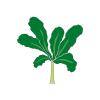
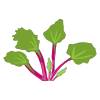
Appearance Rhubarb is a dramatic plant. Its large, crinkled leaves can span over 60 cm across, held aloft on thick stalks that range from pale green through speckled pink to deep ruby red, depending on the variety. The leaf colouring does not reliably indicate sweetness — red varieties are simply more visually striking.
Important Warning: The Leaves Are Toxic Only the stalks are edible. The leaves contain dangerously high concentrations of oxalic acid and must always be removed and discarded — never eaten or fed to livestock.
Flavour and Culinary Uses Rhubarb's flavour is sharply acidic and astringent on its own. It is most famously partnered with sweet fruits (particularly strawberry) in crumbles, pies, jams, and compotes. In some culinary traditions it is also used as a souring agent in savoury dishes, complementing rich meats.
Forced Rhubarb Rhubarb can be 'forced' by covering crowns with a tall, dark pot in late winter, excluding all light. This produces pale, exceptionally tender stalks earlier in the season and is considered a delicacy.
How To Grow
Rhubarb is a long-lived perennial that rewards patience with years of productive harvests. Once established, a single plant can crop reliably for 10–15 years with minimal intervention.
Planting
Rhubarb is best grown from crowns (dormant root divisions) rather than seed. Seed-grown plants are slow and genetically variable. Plant crowns in early spring as soon as the soil is workable, or in autumn during dormancy.
- Choose a permanent, sunny spot with deep, fertile, well-drained soil. Rhubarb will occupy this position for many years.
- Dig a generous hole and incorporate plenty of well-rotted compost or manure.
- Set the crown so the growing buds sit approximately 2–5 cm below the soil surface.
- Space plants 75–90 cm apart in all directions — they spread considerably.
The Patience Rule
This is the most important aspect of growing rhubarb:
- Year 1: Do not harvest at all. Allow all growth to feed the developing root system.
- Year 2: Take only a few stalks as a light harvest.
- Year 3 onwards: Harvest freely while following the one-third rule (see Harvesting).
Ongoing Care
- Mulch generously each spring with compost or well-rotted manure to feed the plant and suppress weeds.
- Water regularly during dry spells, especially in summer, to prevent stalks becoming thin and stringy.
- Remove flower stalks promptly if they appear — cut them off at the base to redirect energy into the edible stalks.
- Divide congested crowns every 5–7 years in autumn or early spring to reinvigorate the plant.
Forcing
For an earlier, more tender crop, place a tall opaque container over the crown in late winter to exclude light. Check every few weeks and harvest when stalks reach a suitable length.
Harvesting
When to Harvest
Rhubarb stalks are ready to harvest when they are 25–40 cm long and approximately finger-thick. Colour is not a reliable indicator of readiness — some varieties remain green or speckled even when perfectly mature.
Begin harvesting in spring, once the plant is in its second or third year. Stop harvesting by midsummer to allow the plant to build energy reserves for the following season.
How to Harvest — The Pull and Twist Method
Avoid cutting stalks with a knife, as the remaining stump can rot and introduce disease to the crown. Instead:
- Grasp the stalk firmly near the base, close to soil level.
- Apply a steady upward pull while gently twisting to one side.
- The stalk should detach cleanly from the crown with a satisfying snap.
The One-Third Rule
Never remove more than one-third of the plant's stalks at any one time. The remaining foliage is essential for photosynthesis and root energy storage. Leave all stalks thinner than a pencil — they are better left to support plant growth.
Leaf Removal
Remove the leaves immediately after harvest — they are toxic due to high oxalic acid content and must not be eaten. Trim them off and compost them.
Storage
Rhubarb wilts quickly after picking. For best results:
- Wrap trimmed stalks in a damp cloth and refrigerate — they will keep for up to one week.
- Rhubarb freezes exceptionally well: chop into pieces and freeze raw for use throughout the year.
Common Problems
Crown Rot
One of the most serious rhubarb problems. Caused by waterlogged soil or planting too deeply. Affected crowns turn soft and collapse. Prevention: Always plant in well-drained soil and avoid overwatering. There is no cure — remove and destroy affected plants and do not replant rhubarb in the same spot.
Honey Fungus (Armillaria spp.)
A soil-borne fungal disease that can kill established crowns. Signs include sudden wilting and black bootlace-like structures under the soil. Remove and destroy all affected plant material. Improve soil drainage and avoid replanting susceptible species in the same location.
Rhubarb Leaf Spot (Ramularia rhei)
Brown or purple spots appearing on the leaves. Generally cosmetic and does not affect stalk quality. Remove and dispose of badly affected leaves. Ensure good air circulation around plants.
Aphids
Soft-bodied insects that cluster on new growth and leaf undersides. They rarely cause serious damage to rhubarb but can weaken young plants. Blast off with a jet of water or encourage natural predators such as ladybirds (ladybugs) and lacewings.
Slugs and Snails
May attack emerging stalks in spring, particularly in wet conditions. Use physical barriers, traps, or encourage natural predators. Organic iron phosphate baits are also effective.
Bolting (Flowering)
When rhubarb sends up a tall central flower stalk, it diverts energy away from edible stalk production. Cut flower stalks off at the base as soon as they appear. Bolting is more common in older, congested crowns — dividing every 5–7 years helps prevent it.
Viruses
Mosaic viruses can cause mottled, distorted leaves and reduced vigour. There is no cure. Remove and destroy infected plants and control aphid vectors to limit spread.