Runner Bean (Phaseolus coccineus)
Runner beans are the overachievers of the vegetable garden — vigorous, productive, and genuinely beautiful. Unlike their more modest cousins, these climbing plants are as much a feast for the eyes as they are for the plate, blending ornamental appeal with exceptional yields.
Appearance and Growth
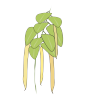
Runner beans are vigorous climbers, typically reaching 2–3 metres (7–10 feet) in a single season. They require sturdy support such as bamboo tepees, A-frame cane structures, or trellis netting. Their twining stems wind clockwise around supports — a quirky characteristic that sets them apart from many other climbing plants.
The foliage is lush and dense, composed of large, heart-shaped green leaves that create an effective living screen or garden windbreak. In flower, runner beans are genuinely spectacular — the classic 'Scarlet Runner' produces clusters of brilliant red blossoms, while white-flowered and bicolour 'Painted Lady' varieties are equally striking. Because of this visual appeal, runner beans are sometimes grown purely as ornamental climbers on garden arches or fences.
The Harvest
The pods are long, flat, and slightly textured — noticeably different in feel from smooth French beans. Flavour is robust and distinctly 'beany', more pronounced than common green beans. Pods are best eaten young and tender at around 15–20 cm in length. If left to mature on the vine, they become fibrous and stringy.
Should you miss the harvest window, the large, beautifully mottled purple-and-black seeds inside can be shelled and cooked fresh or dried for use in winter stews and casseroles, much like kidney beans.
Ecological Value
Like all legumes, runner beans fix atmospheric nitrogen through symbiotic bacteria in their root nodules, gradually enriching the soil for follow-on crops. Their abundant flowers are also highly attractive to bees and other pollinators, making them a valuable addition to any productive garden with biodiversity in mind.
How To Grow
How to Grow Runner Beans
Timing
Runner beans are frost-tender, so timing around your last expected frost date is essential. Sow seeds indoors approximately 3–4 weeks before the last frost is expected, or sow directly outdoors once the soil has warmed to at least 10°C and all frost risk has passed. Cold or wet soil will cause seeds to rot rather than germinate.
Preparing the Soil
Runner beans are hungry and thirsty plants. For the best results, prepare the planting area well in advance:
- Dig a trench or large planting hole and incorporate a generous amount of well-rotted compost or manure.
- This enriched layer acts as a moisture reservoir during dry spells and provides a slow release of nutrients throughout the season.
- Runner beans prefer a fertile, well-drained soil with a pH of around 6.0–7.0.
Building Supports
Erect your support structure before planting — runner beans grow rapidly and need something to climb from the outset. Common support methods include:
- Tepee: 4–6 bamboo canes tied together at the top. Ideal for small or circular planting areas.
- A-Frame: Two rows of canes angled inward and connected by a horizontal pole along the ridge. Makes picking easier and is very stable.
- Trellis or netting: A simple vertical net stretched between sturdy posts works well for row growing.
Plant one seed at the base of each cane, approximately 4–5 cm deep. Space plants 20–25 cm apart within rows, with 60 cm between double rows.
Sowing Indoors
Sow seeds individually into deep pots, root trainers, or cardboard tubes to allow root development without disturbance. Keep at 15–20°C until germination occurs, usually within 7–14 days. Harden off seedlings for 7–10 days before transplanting outdoors.
Watering and Feeding
Consistent watering is the single most important factor in achieving a good crop:
- Water deeply and regularly, especially once flowering begins. Drought during flowering is the primary cause of flower drop and poor pod set.
- Apply a mulch of compost, straw, or bark around the base of plants to conserve soil moisture and suppress weeds.
- Once plants are in full flower, a liquid feed high in potassium every two weeks will encourage continued pod production.
Pinching Out
Once the vines reach the top of their supports, pinch out the growing tip. This redirects the plant's energy into side shoots and pod development rather than further upward growth, and also removes the soft tissue most favoured by blackfly (black bean aphids).
Crop Rotation
Avoid growing runner beans in the same soil for consecutive years to reduce the build-up of soil-borne diseases and pests. Follow with a leafy crop such as brassicas, which will benefit from the residual nitrogen left in the soil by the bean's root nodules.
Harvesting
Harvesting Runner Beans
When to Harvest
The ideal harvest window for runner beans is when pods are 15–20 cm (6–8 inches) long. At this stage the pods should feel firm, snap cleanly, and show only the faintest outline of the seeds inside. Once the seeds begin to bulge visibly through the pod wall, the beans are becoming stringy and tough.
A simple test: try snapping the tip of a pod. A young, tender bean will snap with a clean, crisp break. An over-mature bean will bend rather than snap.
Harvesting Technique
Avoid pulling pods off the vine with a sharp tug — the stems are surprisingly brittle and a rough pull can snap the main vine or dislodge the plant from its support.
- Scissors or snips: The most reliable method. Cut the short stalk (pedicel) that attaches the pod to the plant.
- Two-handed method: Support the vine with one hand and gently snap the pod upward and away with the other.
Harvest Frequently
The most important principle of runner bean harvesting is this: the more you pick, the more the plant produces. Once pods are left to mature fully on the vine, the plant receives a hormonal signal that seed production is complete and it begins to wind down. Flowering stops and yields drop rapidly.
- Check plants every 2–3 days once cropping begins.
- Even if you cannot use all the beans, remove any large or overripe pods to keep the plant in active production mode.
What to Do with Overgrown Pods
If you find pods that have been missed and are now large and leathery, do not discard them:
- Shell the seeds: The large, beautifully mottled seeds inside can be cooked fresh (boil for 10–15 minutes) and eaten like butter beans.
- Dry for storage: Leave mature pods on the plant until completely dry, then shell and store the seeds in a cool, dry place. They can be used in soups and stews throughout winter, or saved as seed for the following season.
Storage
- Refrigerator: Store freshly picked pods unwashed in a perforated bag in the salad drawer. They will stay crisp for 4–5 days.
- Freezing: Runner beans freeze very well. Slice diagonally, blanch in boiling water for 2 minutes, plunge into ice water, drain thoroughly, and freeze in portions. Frozen beans will keep for up to 12 months.
Common Problems
Common Problems with Runner Beans
Pests
Blackfly (Black Bean Aphid) One of the most common and damaging pests. Colonies of black aphids cluster on the growing tips and undersides of leaves, sucking sap and weakening the plant. Pinch out the growing tips once plants reach the top of their supports to remove the most vulnerable tissue. Encourage natural predators such as ladybirds and lacewings, or use an insecticidal soap spray.
Slugs and Snails Young seedlings and emerging shoots are particularly vulnerable. Use physical barriers such as copper tape, grit, or wool pellets around the base of plants. Check regularly at night and remove by hand. Setting up beer traps can also help reduce populations.
Bean Weevil Adults nibble characteristic notches around the leaf margins. While unsightly, the damage is rarely serious enough to warrant intervention unless populations are very high.
Spider Mites In hot, dry conditions, spider mites can colonise the undersides of leaves, causing a fine, pale mottling. Keep plants well-watered and mist foliage during very dry spells. Introduce biological controls if growing under cover.
Diseases
Halo Blight (Pseudomonas phaseolicola) A bacterial disease that causes water-soaked spots surrounded by a pale yellow halo on leaves, and can spread to pods. It is seed-borne, so always buy certified disease-free seed. Avoid overhead watering and working with plants when wet. Remove and destroy affected material.
Bean Mosaic Virus Spread by aphids, this virus causes mottled, distorted foliage and stunted growth. There is no cure — remove infected plants promptly to prevent spread and control aphid populations vigorously.
Chocolate Spot (Botrytis fabae) Brown or chocolate-coloured spots on leaves and pods, more common in wet, humid conditions. Improve air circulation by not overcrowding plants and avoid waterlogging the soil.
Root Rots Overwatering or poorly drained soil can lead to fungal root rots. Ensure good drainage, rotate crops each year, and avoid sowing into cold, wet soil.
Environmental and Cultural Problems
Flower Drop Runner beans frequently drop their flowers without setting pods. The most common causes are:
- Drought or irregular watering — keep soil consistently moist, especially during flowering.
- Extreme heat — temperatures above 30°C can inhibit pollination. Mist flowers during very hot spells.
- Lack of pollinators — runner beans rely on bees for pollination. Grow flowering plants nearby to attract pollinators.
Stringy or Tough Pods Pods that are harvested too late become stringy and fibrous. Harvest regularly when pods are 15–20 cm long and before the seeds swell noticeably inside.
Poor Germination Seeds sown into cold soil (below 10°C) will rot rather than germinate. Always wait until the soil has warmed sufficiently, or start seeds indoors and transplant after the last frost.