Sage (Salvia officinalis) is a perennial evergreen subshrub belonging to the Mint family (Lamiaceae). One of the most valued culinary herbs worldwide, it has been cultivated for thousands of years for both its kitchen uses and its reputed medicinal properties.
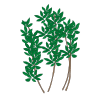
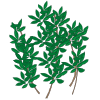
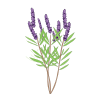
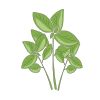
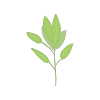
Appearance Sage forms a low, bushy mound of woody stems reaching 40–70 cm in height and spread. The leaves are oblong, slightly wrinkled (rugose), and covered in fine silvery hairs that give them a soft, velvety texture. The colour is the iconic "sage green" — a dusty, grey-green with a frosted appearance. In late spring to early summer, the plant produces tall spikes of tubular flowers, usually in shades of purple, blue, or lilac, which are highly attractive to bees, butterflies, and other pollinators.
Flavour and Aroma Sage has a bold, distinctive aroma with notes of pine, eucalyptus, and a faint citrus undertone, with a slightly peppery finish. Its flavour is robust and earthy, which means a little goes a long way. It pairs exceptionally well with fatty meats, root vegetables, beans, and butter-based sauces. Because its flavour intensifies and holds up during cooking, it is far more versatile when heated than many delicate herbs.
History and Uses The genus name Salvia derives from the Latin salvere — meaning "to be saved" or "to be healthy" — reflecting its ancient reputation as a medicinal cure-all. It was used historically to improve memory, soothe sore throats, and support digestion. Today it remains a staple herb in kitchens and herb gardens worldwide.
How To Grow
Sage is a rewarding herb to grow, especially for those who prefer a lower-maintenance garden. Once established, it is long-lived, drought-tolerant, and largely self-sufficient.
Starting Plants Sage can be grown from seed, cuttings, layering, or purchased transplants. Seeds have a variable germination rate and require warmth (15–21°C) to sprout reliably. For a quicker start, take softwood cuttings in spring or semi-ripe cuttings in summer from an established plant. Layering — bending a low-growing stem to the soil and pegging it down until it roots — is another reliable propagation method.
Soil and Site Choose a position in full sun with well-draining soil. Sage thrives in slightly sandy or gravelly soil with a pH between 6.0 and 7.0. It is highly intolerant of waterlogged conditions, which can cause root rot and kill plants rapidly. If growing in heavy or clay-rich soil, improve drainage by incorporating coarse sand, grit, or raised growing areas.
Planting Space plants 45–60 cm apart in all directions to allow for their mature bushy spread. Transplant seedlings or cuttings outdoors once the risk of frost has passed and the soil has warmed.
Watering Water young plants regularly until established. Thereafter, sage prefers to dry out between waterings. Overwatering is the most common cause of failure — always check that the top few centimetres of soil are dry before watering again.
Pruning and Maintenance Prune plants each spring, cutting back by up to one-third to prevent excessive woodiness and encourage fresh, leafy growth. Avoid cutting into very old, hard wood as it may not regenerate. After 4–5 years, plants tend to become unproductive and are best replaced with fresh cuttings or seedlings.
Container Growing Sage performs excellently in containers. Use a porous terracotta or clay pot with drainage holes and a well-draining compost mix. Containers allow you to position the plant in the ideal spot and can be moved under cover during the harshest winter conditions in colder areas.
Harvesting
Sage can be harvested throughout the growing season once the plant is well established, making it one of the most convenient perennial herbs to keep in the garden or on a windowsill.
When to Harvest The best time to pick sage leaves is in the morning, after any dew has dried but before the heat of the day, as this is when essential oil concentrations are at their highest. For the most intense flavour, harvest just before the plant comes into full flower in late spring or early summer. Leaves can also be picked at any point during the growing season as needed.
First Year Caution In the first year of growth, harvest lightly to allow the plant to establish a strong root system. Wait until the plant reaches at least 15–20 cm in height before taking any leaves, and remove only small amounts at a time.
Technique For small quantities, pinch individual leaves off with your fingers or use clean, sharp scissors. For larger harvests, cut entire sprigs just above a leaf node (the point where two leaves emerge from the stem). This encourages the plant to branch and produce denser, bushier growth.
Always follow the one-third rule: never remove more than one-third of the plant's total growth in a single harvest. Leaving sufficient foliage ensures the plant can continue photosynthesising and recovering.
Preserving the Harvest Fresh sage leaves can be stored in the refrigerator wrapped in a damp cloth for up to a week. For longer storage, leaves can be dried by hanging bunches in a warm, well-ventilated area away from direct sunlight. Once fully dried, crumble and store in an airtight jar. Sage can also be frozen or preserved in oil for extended use.
Common Problems
Sage is generally a resilient, low-maintenance herb, but it can be affected by a number of pests and diseases, particularly when grown in less-than-ideal conditions.
Root Rot The most serious and common problem for sage is root rot, caused by overly wet or poorly drained soil. Affected plants will wilt, yellow, and collapse even when soil appears moist. Prevention is the best cure: always grow in well-draining soil and water sparingly. There is rarely a reliable recovery once root rot is established — affected plants should be removed and replaced.
Powdery Mildew A white, powdery fungal coating may appear on leaves, particularly in humid conditions or when airflow around the plant is poor. Improve spacing and ventilation, and avoid wetting the foliage when watering. Affected leaves should be removed promptly to slow the spread.
Sage Leafhopper Leafhoppers can cause pale, stippled patches on the upper leaf surface. They feed on the underside of leaves and are most active in warm, dry periods. Encourage natural predators such as ground beetles and lacewings, or use an appropriate insecticidal soap spray if infestations are severe.
Slugs and Snails Young sage plants are vulnerable to slug and snail damage, particularly in damp conditions. The hairy leaf texture of mature plants deters feeding somewhat. Use physical barriers, traps, or remove pests by hand in the evening.
Woodiness and Reduced Vigour Sage naturally becomes increasingly woody and less productive with age. Plants over 4–5 years old typically decline in leaf quality and quantity. Regular annual pruning delays this, but eventually replacing plants with fresh cuttings or seedlings is the most effective solution.
Verticillium Wilt This soilborne fungal disease can cause yellowing and wilting of stems. Avoid planting sage in soil where susceptible plants have recently suffered from wilt diseases. Crop rotation and good soil hygiene reduce the risk.