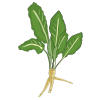
Spring cabbage is the early bird of the brassica family, arriving as a much-needed splash of vibrant green when most other garden vegetables are still dormant or only just beginning to wake. Unlike the dense, heavy heads of winter cabbage varieties, spring cabbages are prized for their tender texture, sweet flavour, and distinctive pointed, conical shape.
Appearance
Spring cabbage is often called pointed or heart cabbage because of its tapered, conical head. The leaves are looser and more open than those of summer or winter varieties, with a bright emerald-green colour and a delicate, almost buttery crunch. Heads are generally smaller and lighter than winter types, making them ideal for single-meal use.
Flavour Profile
Spring cabbage is notably sweeter and milder than its robust winter cousins. Because it is harvested while the leaves are still young and tender, it has a fresh, grassy sweetness that pairs beautifully with simple seasonings — butter, lemon, garlic, or a light stir-fry sauce all complement it wonderfully.
Nutritional Value
Like all brassicas, spring cabbage is rich in vitamin C, vitamin K, folate, and dietary fibre. It is low in calories and contains beneficial glucosinolates associated with good health.
Two Crops in One
One of the joys of spring cabbage is its versatility. You can harvest "spring greens" — loose, leafy shoots — from early spring, or allow the plant to develop a firm pointed heart for a more substantial harvest. Many gardeners grow both from the same planting by staggering their harvest across the row.
Growing Summary
Spring cabbage is an overwintering crop, sown in late summer, planted out in autumn, and harvested the following spring. It is fully frost hardy and one of the most reliable crops for filling the hungry gap between winter stores and the first summer harvests.
How To Grow
Growing spring cabbage requires forward planning — unlike most vegetables, you sow it in late summer so it can establish before winter, then harvest the following spring.
Timing
Spring cabbage follows an overwintering schedule:
- Sow: Mid to late summer
- Plant out: Early to mid-autumn (once seedlings have 4–6 true leaves)
- Harvest: Late winter through to late spring the following year
Soil Preparation
Cabbages thrive in firm, fertile, well-drained soil with a neutral to slightly alkaline pH of 6.5–7.5. If your soil is acidic, apply garden lime several weeks before planting to help prevent club root disease.
Incorporate well-rotted compost or manure into the bed a few months ahead of planting. Immediately before transplanting, firm the soil down well with your feet — cabbages need a firm seedbed to anchor them against winter winds and to encourage good root development.
Sowing
Sow seeds 1–2 cm deep in modular trays or a dedicated seedbed to minimise root disturbance at transplanting. Keep in a cool but sheltered spot. Thin or prick out to one seedling per module once the first true leaves appear.
Planting Out and Spacing
Transplant seedlings when they have 4–6 true leaves, planting deeply so that the lowest leaves sit just above the soil surface.
- For spring greens (loose leaves): Space 10–15 cm apart and harvest young shoots before hearts form.
- For hearted cabbage: Space 30–45 cm apart in rows 45 cm apart.
- The half-and-half method: Plant at 15 cm spacing, harvest every alternate plant as greens in early spring, and allow the remaining plants to heart up fully.
Winter Care
Earthing up: In late autumn, draw soil up around the base of each stem to form a small mound. This stabilises plants and prevents wind rock, which can loosen roots and invite pests.
Feeding: Little feeding is needed through winter. In late winter, apply a nitrogen-rich fertiliser (such as pelleted chicken manure or a balanced liquid feed) to fuel the spring growth spurt.
Pest Protection
Brassicas attract a range of pests — cover crops with fine insect-proof mesh as the primary defence:
- Birds (pigeons): Can devastate overwintering plants. Net securely using a frame to keep mesh off the leaves.
- Cabbage white butterfly: Fine mesh prevents adults from laying eggs on leaves.
- Cabbage root fly: Fit brassica collars (discs of cardboard or purpose-made felt) snugly around each stem at transplanting.
- Slugs and snails: Use physical barriers, wildlife-friendly pellets, or nematode biological control.
Crop Rotation
Always practice a minimum 3–4 year rotation with all brassica family crops. Never follow brassicas with brassicas, as this rapidly builds up club root, cabbage root fly, and other soil-borne problems.
Harvesting
Spring cabbage offers a two-stage harvest — you can take loose leafy greens early, or wait for firm pointed hearts to develop. Many gardeners enjoy both from the same planting.
Stage 1: Spring Greens (Early Harvest)
Once plants are large enough to provide a good handful of leaves, you can begin harvesting as spring greens — these are loose, leafy shoots cut before a solid head has formed. This is typically done by removing every other plant in the row as a cut-and-come-again crop, leaving the remaining plants room to develop full hearts.
Spring greens are at their best when young and tender — sweet, mild, and quick to cook.
Stage 2: Hearted Cabbage (Full Harvest)
Allow remaining plants to mature until the centre feels firm and solid when gently squeezed. A soft or hollow feel means the heart needs more time. Hearted spring cabbage is ready when it forms a well-defined, dense, pointed head.
Harvesting Technique
- Use a sharp garden knife to cut cleanly through the main stem approximately 5 cm above soil level.
- Make a clean, horizontal cut to minimise the risk of disease entry.
- Harvest in the early morning when leaves are at their most hydrated and crisp.
The Second Harvest Trick
Don't pull the stump out of the ground after cutting the main head! Instead:
- Use a knife to cut a deep "X" shape (approximately 1 cm deep) into the flat top of the remaining stump.
- The stump will sprout several small secondary heads from the sides over the following weeks.
- These mini heads are exceptionally tender and make a delicious bonus harvest.
Storage
Spring cabbage is far more perishable than dense winter varieties:
- Refrigerator: Store loosely wrapped in the crisper drawer for up to 1–2 weeks.
- Do not wash until ready to use — excess moisture accelerates deterioration.
- For longer preservation, spring cabbage can be blanched and frozen, though it loses some texture.
- It does not store well at room temperature and should be used promptly after harvest for the best flavour and nutritional value.
Common Problems
Spring cabbage faces several common pest and disease challenges that gardeners should be aware of:
Pests
Cabbage White Butterfly & Caterpillars The larvae of the Large and Small White butterflies are among the most damaging pests. They skeletonise leaves rapidly. Cover plants with fine insect mesh throughout the growing season to prevent adults from laying eggs. Hand-pick caterpillars and egg clusters where found.
Cabbage Root Fly The larvae tunnel into roots, causing plants to wilt and collapse. Use purpose-made brassica collars (discs of cardboard or fleece) fitted snugly around the base of each transplant to prevent the fly from laying eggs at the soil surface.
Pigeons and Other Birds In winter and early spring when food is scarce, pigeons can completely strip young plants overnight. Netting is the only reliable solution — use a frame to keep netting off the leaves.
Slugs and Snails Particularly damaging to young transplants. Use physical barriers, wildlife-friendly traps, or nematode biological controls.
Mealy Cabbage Aphid Dense grey-white colonies cluster on the underside of leaves, causing distortion and weakening plants. Encourage natural predators such as ladybirds and lacewings, or apply an organic insecticidal soap spray.
Diseases
Club Root (Plasmodiophora brassicae) One of the most serious brassica diseases. Soil-borne fungal spores cause roots to swell into grotesque clubs, preventing water and nutrient uptake. Plants wilt and fail. There is no cure once established. Prevent it by: liming soil to pH 7.0–7.5, maintaining excellent drainage, and practising a strict 4-year crop rotation with all brassicas in the same family group.
Downy Mildew Yellow patches on upper leaf surfaces with grey-white mould beneath. Favoured by cool, damp conditions. Improve air circulation by correct spacing, avoid overhead watering in the evening, and remove affected leaves promptly.
Black Rot (Xanthomonas campestris) Causes V-shaped yellow lesions with blackened veins. Spread by infected seed and rain splash. Use certified disease-free seed, avoid working among wet plants, and remove and destroy affected material.
General Prevention Tips
- Crop rotation is the single most important preventive measure — never grow brassicas in the same bed more than once every three to four years.
- Remove all brassica debris after harvest to eliminate overwintering pest and disease habitat.
- Firm soil well at planting to discourage root fly and to anchor plants against wind rock.