Thyme: The Essential Earthy Herb
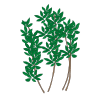
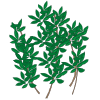
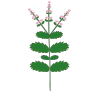
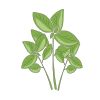
Thyme is the understated workhorse of the herb garden. While some herbs are flashy or bold, thyme provides a steady, sophisticated backbone to countless cuisines around the world. It belongs to the mint family (Lamiaceae) and is characterised by its tiny, grey-green leaves and woody stems.
Flavour Profile and Aroma
Thyme offers a complex, layered flavour experience:
- Earthy & Woody: A grounded, savory base that anchors lighter ingredients.
- Floral & Minty: Subtle notes of citrus and pine provide a refreshing top note.
- The Thymol Factor: Thyme contains thymol, an essential oil that gives it a distinct, slightly medicinal but very pleasant pungency.
Culinary Uses
Thyme holds its flavour remarkably well during long cooking processes, unlike delicate herbs that must be added at the end of cooking.
- Stocks and Stews: A classic component of bouquet garni, bundled with parsley and bay leaves to flavour slow-cooked dishes.
- Roasts: Pairs beautifully with roasted poultry, lamb, and root vegetables.
- Infusions: Frequently used to infuse oils, vinegars, honey, or syrups for both culinary and beverage uses.
- Medicinal Tradition: Long used in herbal medicine for its antimicrobial properties, particularly in teas for respiratory support.
How To Grow
How to Grow Thyme
Thyme is one of the most forgiving herbs to grow, perfect for both experienced gardeners and beginners. As a Mediterranean native, the key to success is mimicking a sunny, dry hillside environment.
Ideal Conditions
- Sunlight: Thyme needs full sun — aim for at least 6 to 8 hours of direct light daily.
- Soil: Use well-draining soil. If your soil is heavy, mix in sand or fine gravel. Thyme prefers a slightly alkaline pH of around 6.0 to 8.0.
- Watering: Allow the soil to dry out completely between waterings. Soggy roots will kill thyme far more quickly than drought.
Planting Methods
Thyme can be grown from seed, though it germinates slowly. Many gardeners prefer:
- Nursery Starts: Purchasing a small established plant provides an immediate harvest.
- Cuttings: Take a 7–10 cm tip cutting, strip the lower leaves, and root it in water or free-draining compost.
- Division: Divide established clumps in spring to create new plants.
Ongoing Maintenance
- Pruning: Regularly trim the tips to encourage bushy, compact growth and prevent the plant becoming too woody and leggy.
- Fertilising: Avoid nitrogen-rich feeds — too much nutrition creates lush growth with poor essential oil content and weak flavour.
- Winter Care: In cold climates, apply a light mulch around the base after the first hard frost to protect the root system. Thyme is frost hardy but benefits from protection in severe winters.
- Renewal: After 3–4 years, plants can become very woody. Replace or hard-prune in spring to rejuvenate.
Harvesting
Harvesting Thyme
Harvesting thyme is straightforward, but doing it correctly ensures the plant stays healthy and productive for many years.
When to Harvest
- Best Time of Day: Harvest mid-morning after dew has dried but before the midday heat. This is when essential oils — and therefore flavour — are most concentrated.
- Seasonal Timing: Thyme can be harvested throughout the growing season. Flavour is most potent just before or during flowering.
- Plant Maturity: Wait until the plant is at least 10–12 cm tall before taking a significant harvest.
The One-Third Rule
Never remove more than one-third of the plant at a single harvest. Taking too much prevents the plant from photosynthesising effectively and can cause it to decline. Always cut into green, leafy growth — never into bare, woody stems, as these rarely regenerate.
Step-by-Step
- Select Stems: Choose the longest, healthiest green stems.
- Snip Above a Node: Using clean, sharp scissors or snips, cut just above a pair of leaves. This encourages the plant to branch at that point, creating a bushier shape.
- Spread Your Harvest: Take a few stems from different parts of the plant rather than stripping one area.
Storing Your Harvest
- Fresh: Wrap in a damp cloth and refrigerate for up to one week.
- Drying: Hang small bunches upside down in a warm, well-ventilated spot. Dried thyme retains excellent flavour and can be stored for 6–12 months.
- Freezing: Freeze whole sprigs on a tray, then transfer to a sealed container.
Common Problems
Common Problems with Thyme
Thyme is a robust and relatively trouble-free herb, but a few issues can arise, particularly related to moisture and air circulation.
Root Rot
The most common problem. Thyme will not tolerate waterlogged soil. Symptoms include yellowing leaves, wilting despite moist soil, and a mushy base. Prevention: Ensure excellent drainage and allow soil to dry between waterings. Raise beds or add grit if necessary.
Woody, Leggy Growth
Over time, thyme develops a woody base and can become sparse and unproductive. Prevention: Prune regularly throughout the growing season and hard-prune in early spring each year. Replace plants every 3–4 years if they become too woody to recover.
Fungal Diseases
Grey mould (Botrytis) and other fungal issues can develop in humid or poorly ventilated conditions. Prevention: Space plants well to allow airflow and avoid wetting the foliage when watering.
Aphids
Aphids occasionally attack young, soft growth. They are rarely a serious problem on mature thyme. Control: Blast off with a jet of water, or use an insecticidal soap spray.
Spider Mites
In hot, dry indoor or greenhouse conditions, spider mites may infest thyme. Look for fine webbing and stippled leaves. Control: Increase humidity slightly and treat with neem oil or insecticidal soap.
Poor Flavour
If your thyme tastes weak or bland, it is likely receiving too much water, too much nitrogen fertiliser, or insufficient sunlight. Correct these conditions and flavour intensity will improve.