5 Unsung Heroes Protecting Your Veggie Patch
As the crisp air of November ushers in shorter days and the first hints of frost, our bustling vegetable gardens begin to quiet down. But beneath the surface, or nestled within the comforting embrace of fallen leaves, a secret world prepares for its long winter's nap. These aren't just any garden residents; they're the unsung heroes of your vegetable plot, vital allies against pests, and natural soil aerators. Protecting them through their winter slumber is one of the most impactful things you can do for a thriving garden next spring.
Let's meet five of these incredible creatures, discover why they’re indispensable to your edible paradise, and learn how to be their winter guardians.
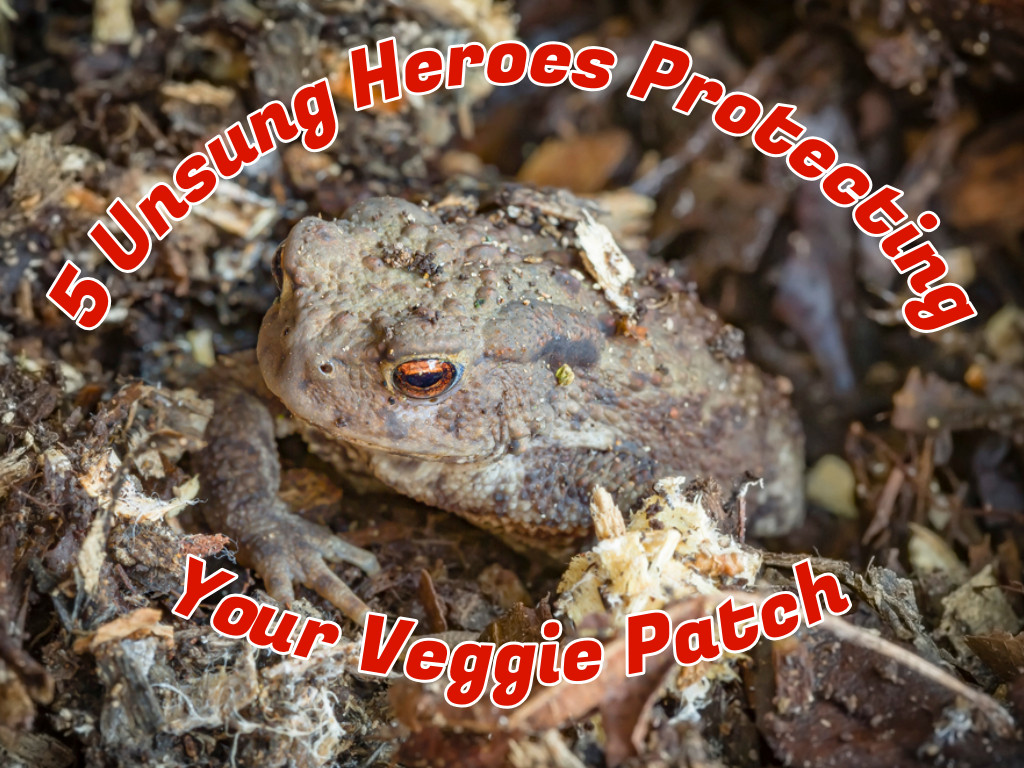
1. Frogs and Toads: The Pest Patrol's Cold-Blooded Cadets
Long before pesticides, gardeners relied on the voracious appetites of frogs and toads to keep pest populations in check. These amphibians are natural predators of slugs, snails, grubs, and a host of insects that love to munch on your leafy greens. Imagine a small army working nightly to protect your future harvests!
Why they're great: A single toad can eat thousands of insects in a summer. Their presence indicates a healthy ecosystem and significantly reduces the need for chemical interventions.
How to help: As temperatures drop, frogs and toads seek damp, sheltered spots. Avoid disturbing leaf litter, log piles, and compost heaps near your vegetable beds in late autumn. If you have a pond, keep one area free of ice, or provide a deep, muddy section where they can burrow below the frost line.
2. Queen Bumblebees: The Future of Your Pollination Powerhouse
While most worker bumblebees die off with the cold, the newly mated queen bumblebees are the sole survivors, carrying the torch for the next generation. They'll find a snug spot to hibernate, emerging in spring to establish new colonies. Without them, your squash, beans, tomatoes, and fruit trees would struggle to produce.
Why they're great: Bumblebees are exceptional pollinators, often more efficient than honeybees in cooler weather and for certain types of flowers (like buzz-pollinated tomatoes). Their presence directly impacts your garden's yield.
How to help: Queen bumblebees often burrow into loose soil, compost, or under dense clumps of grass and leaf litter. Refrain from deep tilling or vigorous clearing in late fall and early spring. Consider leaving a patch of undisturbed ground or a small "bug hotel" filled with dry leaves in a quiet corner of your garden.
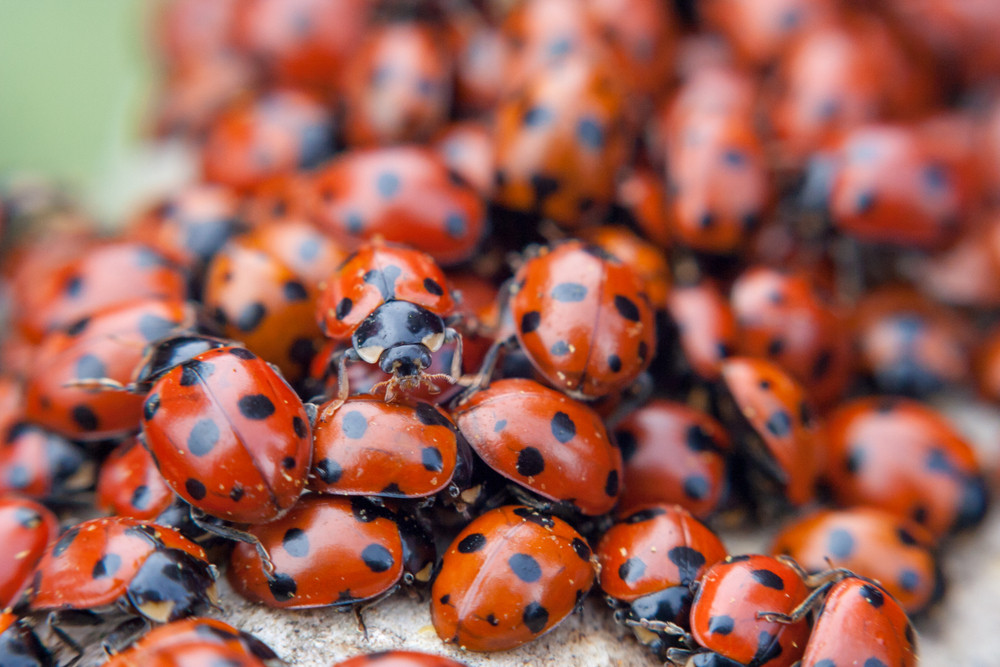
3. Ladybirds (Ladybugs): The Aphid Annihilators
These charming beetles are every gardener's best friend. Ladybird adults and larvae are relentless predators of aphids, mealybugs, and other soft-bodied pests that can decimate young plants and stunt growth. A healthy population of ladybirds can save your brassicas and other vulnerable crops.
Why they're great: They offer highly effective, natural pest control without harming your plants or beneficial insects.
How to help: Ladybirds hibernate in groups in sheltered, dry places. Think thick leaf litter, under bark, in hollow plant stems, or even within cracks in garden structures. Resist the urge to rake every last leaf or clear every spent plant stem. Leaving some natural debris provides crucial winter shelter.
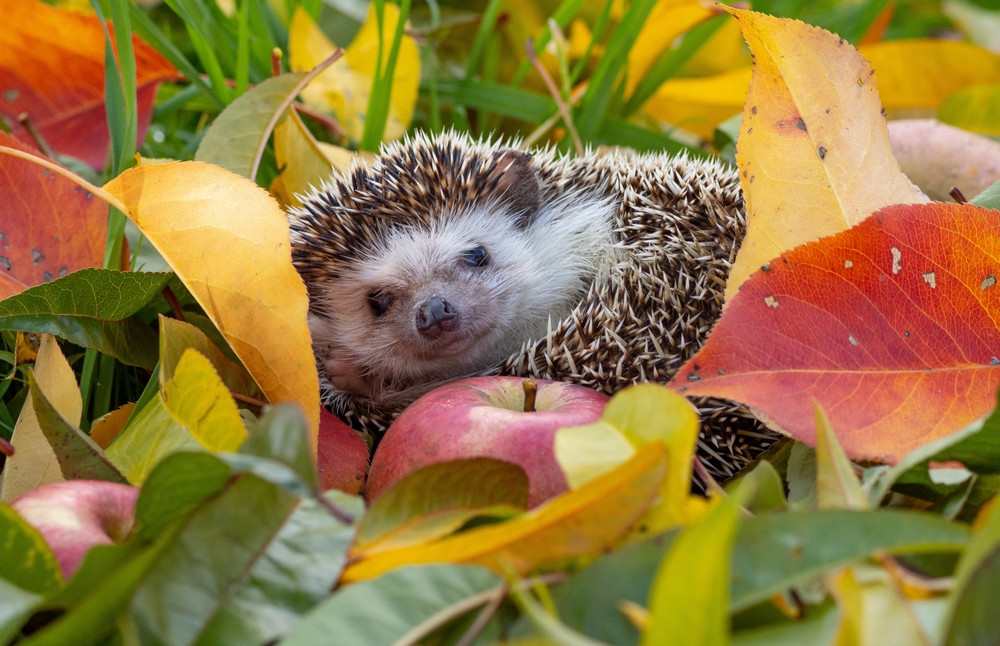
4. Hedgehogs (UK) and Shrews (USA): The Small Mammal Pest Controllers
The much-loved Hedgehog (UK) and the frantic Shrew (USA) share the vital role of consuming garden pests. Hedgehogs go into a deep, November hibernation, feasting on slugs, snails, and caterpillars before they den. The North American Shrew, though smaller and not a true hibernator (they enter torpor), is an active hunter of insects and insect larvae, burrowing near leaf litter and debris where pests hide.
Why they're great: These small insectivores provide critical, organic pest control, maintaining the biological balance of your garden by eating the very creatures that damage your crops.
How to help: For Hedgehogs, avoid disturbing leaf and log piles in late autumn/winter; these are essential hibernation nests. For Shrews, and to support beneficial small mammals, leave undisturbed patches of dense ground cover, mulch, and leaf litter where they can forage and find winter shelter.
5. Spiders: The Silent Pest Trappers
Often overlooked or feared, spiders are among the most effective predators in any garden ecosystem. Different species build webs or actively hunt, catching flies, mosquitoes, aphids, and a wide array of other insects that might otherwise damage your plants.
Why they're great: Spiders are continuous pest controllers, working tirelessly to maintain balance in your garden's insect population.
How to help: Many spiders overwinter as eggs or adults in sheltered spots like under rocks, in leaf litter, or in crevices. Avoid excessive tidying, especially in perennial beds or around the edges of your vegetable patch. Allowing some leaf debris and leaving old plant stems standing provides vital winter refuge.
By embracing a slightly wilder, less manicured approach to your autumn garden clean-up, you're not just being lazy – you're being a steward. Providing safe havens for these hibernating creatures ensures they'll emerge in spring, ready to get back to work, making your vegetable garden healthier, more productive, and truly alive. Let's give these winter warriors the undisturbed rest they deserve!