Keep Your Harvest Fresh for Months
Harvesting your crops as summer winds down is immensely rewarding, but it brings a classic gardener’s dilemma: how do you store your vegetables so they stay fresh, crisp, and nutritious in the months ahead? While many tender summer vegetables do not store well and must be eaten or preserved immediately, root vegetables and hardy varieties store best. With the right techniques, you can enjoy homegrown produce long after the main growing season has ended.
Whether you are looking to store carrots, potatoes, onions, or pumpkins, this comprehensive guide covers the exact conditions, step-by-step methods, and expert storage secrets to maximize your harvest’s shelf-life after summer.
1. Ground Storage (In-Situ): Nature’s Own Root Cellar
For certain hardy crops, the easiest storage method is simply leaving them exactly where they grew.
- Best Crops: Leeks, carrots, parsnips, and swedes.
- Method: In sheltered parts of the country, these robust crops can be left in the ground until you need them. They tolerate cold weather remarkably well—in fact, parsnips and swedes actually taste sweeter after a few hard frosts because the drop in temperature converts their starches into sugars!
- Pro Tip: If severe, prolonged freezing weather is forecast, cover the soil bed with a thick layer of straw, bracken, or fleece. This prevents the ground from freezing solid, allowing you to dig them up easily when needed.
2. Root Vegetables: The Moist Sand or Sieved Ash Method
When ground storage isn't practical—or if your soil is prone to waterlogging or pests—traditional storage boxes are your best alternative.
- Best Crops: Beetroot, carrots, parsnips, and swedes.
- The Container Setup: Find sturdy wooden or plastic boxes. Layer the bottom with slightly moist sand, peat-free compost, or sieved wood ash.
- The Layering Strategy: Arrange your vegetables carefully. Place the largest roots at the very bottom of the box, as they store the longest. Layer more moist sand over them, and place the smallest roots at the top. This ensures you use the smaller, more perishable roots first without disturbing the rest. Make sure the vegetables do not touch one another to prevent any localized rot from spreading.
- Ideal Environment: Store these boxes in a frost-free cellar, garage, or a completely vermin-proof shed. Check periodically to ensure the sand remains slightly damp but never soggy.
3. Marrows and Pumpkins: Curing and Slats
Squashes, marrows, and pumpkins require a specific process called "curing" before they can be tucked away.
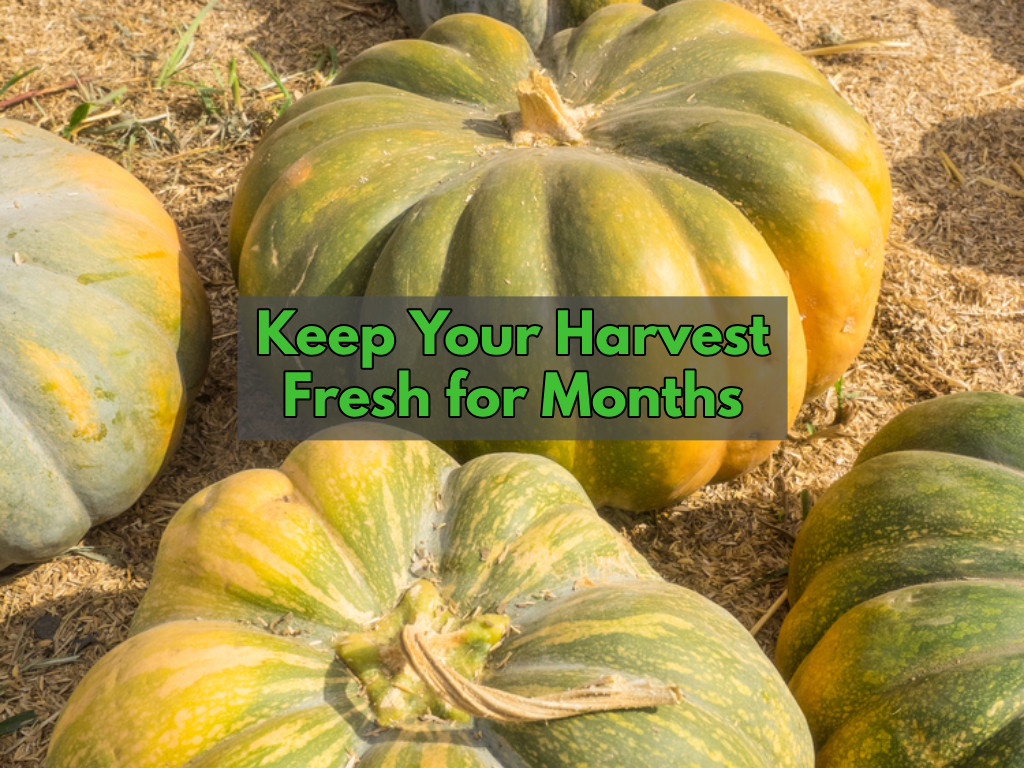
- Step 1: Curing: Before storing, dry marrows and pumpkins thoroughly in the sun for 7 to 10 days. This hardens their outer skins, creating a protective barrier against moisture loss and bacteria.
- Step 2: Airflow Storage: Once cured, store them on open wooden slats in a cool, dry, and strictly frost-free place. Alternatively, you can hang them individually in nets or old tights from the ceiling. Good air circulation around each fruit is vital to prevent fungal mold from developing.
4. Onions and Shallots: The Art of Ropes and Nets
Onions and shallots need excellent ventilation and very low humidity to prevent premature sprouting or rotting.
- The Plaiting Method: The traditional and most space-efficient method is to plait onions and shallots together by their dried foliage into long ropes. Hang these ropes in a bright, airy, and cool place kept just above freezing.
- The Netting Alternative: If the foliage has broken off, don't worry. You can achieve excellent results by storing them in mesh nets, vegetable sacks, or even clean, repurposed nylon tights. Hang them up to ensure air flows freely around the entire batch.
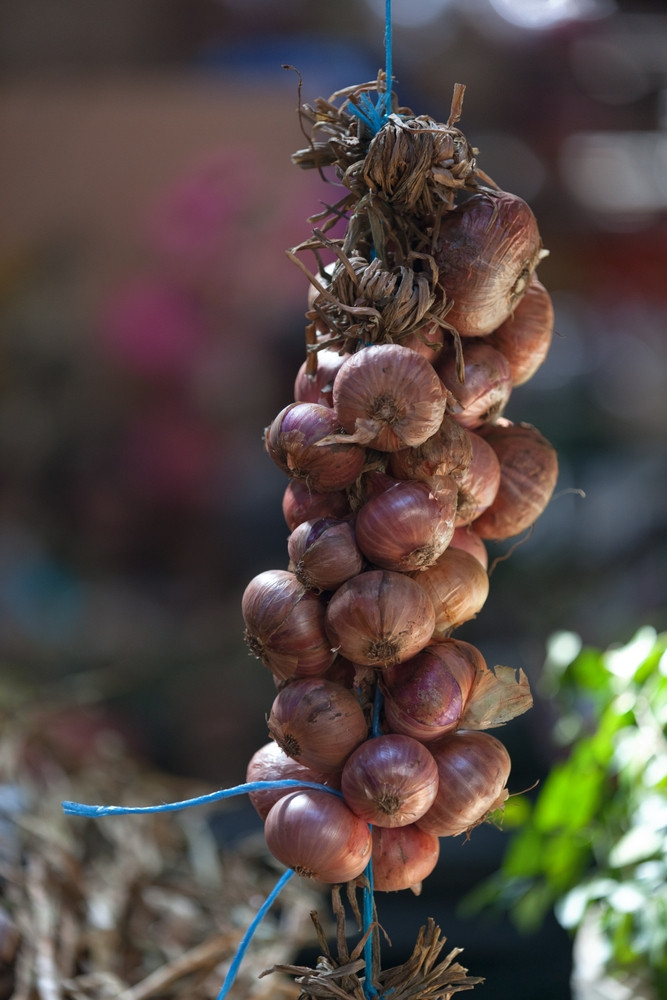
Close-up on a string of onion bulbs
5. Potatoes: Total Darkness and Cool Ventilation
Potatoes are living organisms that require precise environmental controls to stop them from turning green or sprouting.
- The Golden Temperature Zone: Store potatoes strictly in the dark and slightly above freezing. The ideal temperature range is 4°C to 10°C (39°F to 50°F). Too cold (below 4°C) converts their starch to sugar, altering the taste; too warm encourages sprouting.
- Light Elimination Tactics: * Sacks: Half-fill double-thickness paper sacks. Avoid plastic bags, which trap moisture and cause immediate rotting.
- Boxes: Lay potatoes gently in shallow wooden boxes, and cover the top completely with an old piece of clean carpet or heavy burlap to block out every sliver of light.
6. Hardy Cabbages: The Slat or Straw Bed Method
Late-season cabbages can last for months if they are kept cold and protected from bruising.
- Preparation: Clean off any damaged or loose outer leaves and cut the stem short.
- Storage Setup: Keep them just above freezing. Arrange them carefully on slatted wooden shelves or on a thick, dry mat of clean straw. Ensure the heads are spaced slightly apart so air can circulate, preventing stagnant moisture from rotting the dense leaves.
Quick Reference Summary Table
| Vegetable Category | Optimal Storage Method | Ideal Temperature | Light/Moisture Requirements |
|---|---|---|---|
| Leeks, Parsnips, Swedes | Left in-ground (sheltered areas) | Cool Ambient | Natural ground moisture |
| Carrots & Beetroot | Boxes of moist sand or sieved ash | 1°C - 4°C (Frost-free) | High moisture, Dark |
| Marrows & Pumpkins | Cured in sun, stored on slats/nets | 10°C - 13°C (Cool & Dry) | Low humidity, High airflow |
| Onions & Shallots | Plaited ropes or suspended nets | 1°C - 5°C (Cool & Airy) | Dry, Maximum ventilation |
| Potatoes | Double-layer paper sacks / Carpet cover | 4°C - 10°C (39°F - 50°F) | Absolute Darkness, Moderate humidity |
| Hardy Cabbages | Wooden slats or straw mats | 0°C - 3°C (Just above freezing) | Good ventilation |
By matching each crop to its perfect microclimate, you minimize food waste and extend your self-sufficiency deep into the season ahead!