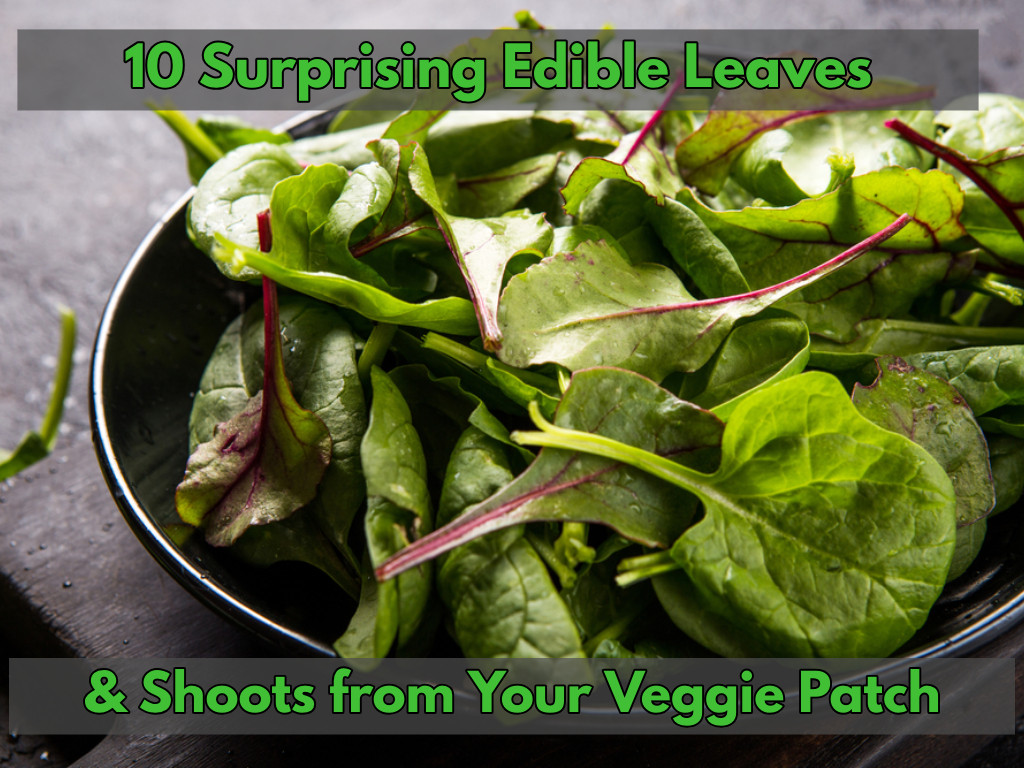
10 Surprising Edible Leaves and Shoots from Your Veggie Patch
As gardeners, we often spend months obsessing over a single outcome: the swelling of a tomato, the girth of a carrot, or the tight head of a cauliflower. But what if I told you that you are likely composting nearly half of your potential harvest?
Many common garden vegetables produce edible leaves and shoots that are not only nutritious but often possess flavors more delicate and complex than the "primary" crop. Embracing "whole-plant eating" reduces waste, increases your garden's ROI, and provides a continuous harvest while you wait for the main event.
Here are 10 incredible leaves and shoots you should be harvesting today.
1. Sweet Potato Leaves
In tropical climates, these are a staple. Because they love the heat, they thrive when traditional spinach bolts and turns bitter.
Detailed Use: They have a high mucilage content (like okra), which makes them excellent for thickening stews. In Filipino cuisine, they are known as Talbos ng Kamote and are often blanched and served with fermented shrimp paste and lime.
Nutrition: They are powerhouses of Vitamin A, C, and Riboflavin.
Pro Tip: Only harvest the terminal (end) 10–15 cm of the vines to keep the plant's energy focused on tuber production.
2. Pea Shoots and Tendrils
These are the "caviar" of the vegetable garden. Most high-end restaurants pay a premium for what you likely have growing in abundance.
Detailed Use: Use them as a base for a "microgreen" salad. They don't need heavy dressing—just a squeeze of lemon and sea salt.
Harvesting: Snip the top growth point just above a set of leaves. This encourages the plant to "branch," leading to a bushier plant and, eventually, more pea pods.
3. Beet Greens
Beets and Swiss Chard are actually the same species (Beta vulgaris). Eating beet leaves is literally eating chard with a hint of beetroot flavor.
Detailed Use: The stems are crunchy and delicious. Chop the stems finely and sauté them for 5 minutes before adding the leaves to the pan. This ensures even cooking.
Taste Note: Red-veined varieties (like 'Bull’s Blood') add incredible visual pop to a boring green salad.
4. Broccoli Leaves
Broccoli leaves are often tougher than spinach, meaning they hold up beautifully in slow-cooker recipes or hearty soups.
Detailed Use: Strip the leafy greens away from the thick central rib (save the ribs for juice or stock!). Massage the leaves with olive oil and salt to soften the fibers if eating them raw.
Comparison: They contain more Beta-carotene than the florets themselves.
5. Carrot Tops
The myth of toxicity stems from the fact that they contain alkaloids, but they are no more "toxic" than spinach or tomatoes.
Detailed Use: Think of them as a "sub-in" for parsley. Because they are fibrous, they are best used when finely minced. They make a world-class pesto when blended with walnuts, parmesan, and garlic.
Harvesting: Don't haircut the whole carrot; take one or two outer fronds from each plant so the root continues to swell.
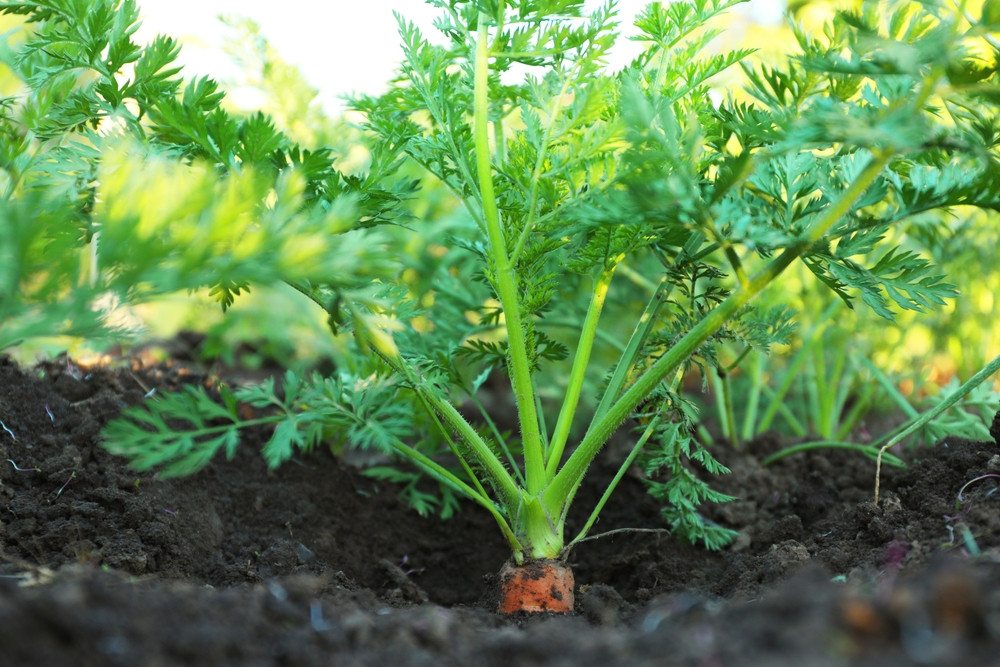
Carrot with green leaves - ideal for a carrot pesto
6. Radish Greens
Radish leaves grow incredibly fast—often ready to eat in just 20 days.
Detailed Use: If the "fuzziness" of the raw leaf bothers you, blend them into a Radish Leaf Soup (a French classic). The heat instantly removes the prickly texture, leaving a creamy, peppery broth.
Production Tip: If you're growing radishes only for the greens, you can sow them much more densely than the packet recommends.
7. Garlic Scapes
These only appear for a 2-week window in early summer. If you don't cut them, your garlic bulbs will be significantly smaller.
Detailed Use: They have the texture of a thin asparagus spear but taste like garlic. Try "Garlic Scape Pesto" or chop them into 2cm lengths and stir-fry them with beef or tofu.
Storage: They stay fresh in the fridge for up to a month, much longer than most leafy greens.
8. Squash and Pumpkin Leaves
Popular in African and Italian (specifically Sicilian) cooking, where they are known as Tenerumi.
Detailed Use: The secret is "de-stringing." Peel the skin off the stem like you would with celery to remove the prickly bits. They are incredible when simmered in a tomato-based broth with broken spaghetti.
Selection: Pick the younger, paler leaves at the tips of the vines for the best texture.
9. Cauliflower Leaves
We usually buy cauliflower "pre-trimmed," but if you grow your own, those outer leaves are a revelation.
Detailed Use: Toss the leaves in oil, smoked paprika, and salt. Roast them at 200°C (400°F) until the edges are charred and crispy. They taste like "cauliflower popcorn."
Waste Reduction: This can increase your edible yield from a single cauliflower plant by up to 30%.
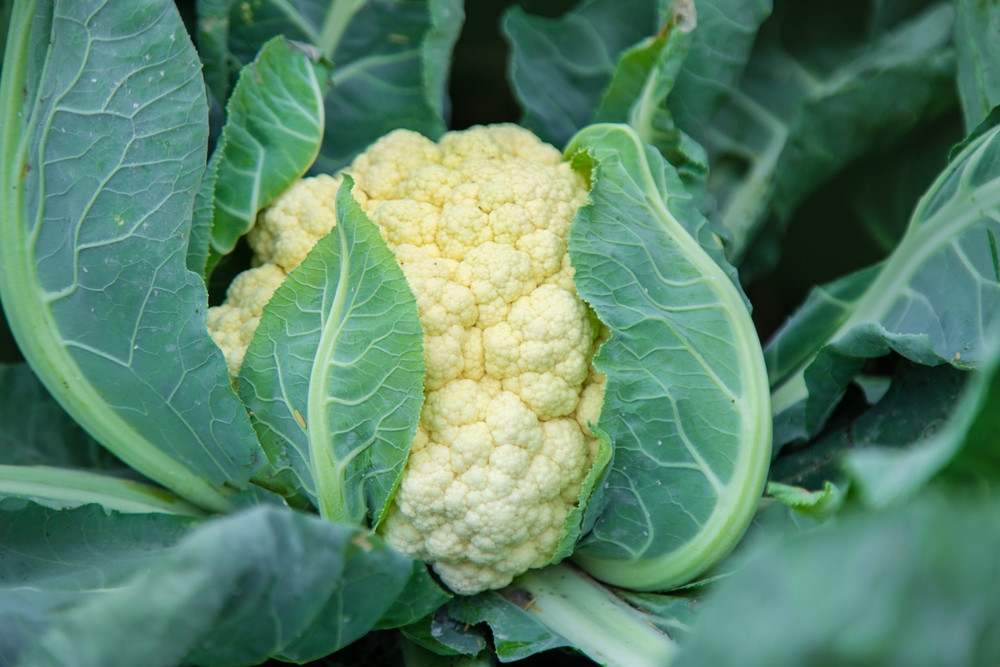
Cauliflower leaves ideal for roasting
10. Broad Bean (Fava) Tops
Pinching out the tops of broad beans is a classic gardening "hack" that serves two purposes.
Detailed Use: They have a flavor halfway between a pea and a spinach leaf. They are very tender and only need a light steam.
Scientific Tip: Black Bean Aphids love the soft, sappy growth at the top of the bean plant. By harvesting and eating the tops, you remove the "landing pad" for the pests before they can take over your crop.
Tips for Success: Layout, Harvesting, and Production
Strategic Layout
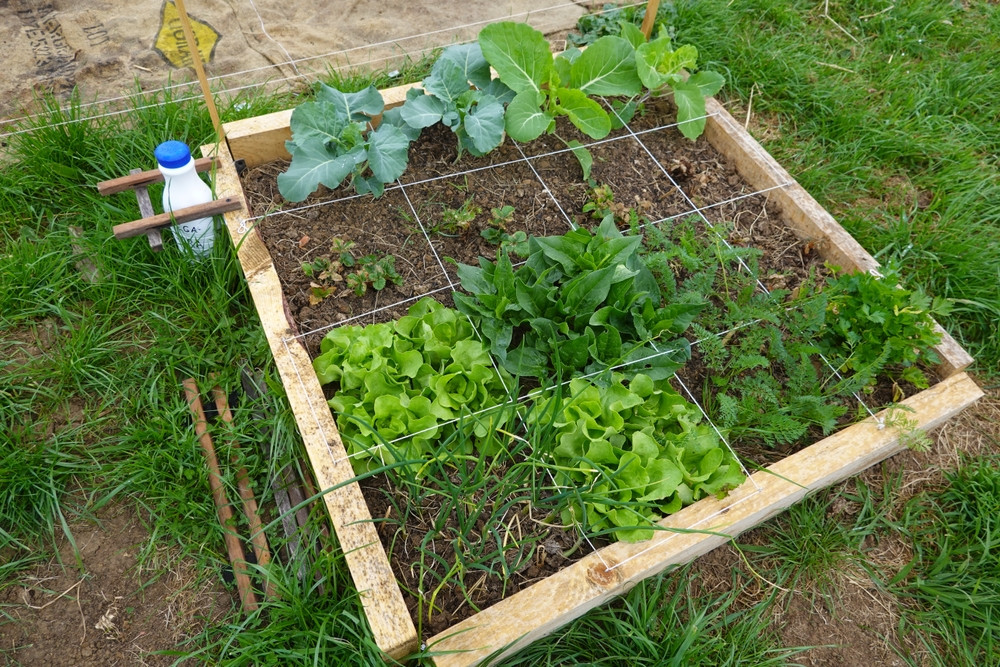
To maximize leaf production, consider Succession Planting. Use VegPlotter to map out small gaps where you can densely sow radishes or beets specifically for their greens. By planting them closer together (3–5 cm apart) than you would for roots, you encourage leaf growth and can harvest them as "cut and come again" crops.
Harvesting Etiquette
The "Golden Rule" of harvesting leaves from a fruiting plant: Never take more than 20–30% of the total foliage at once. The plant needs those leaves for photosynthesis to grow the root or fruit you’re ultimately waiting for.
- Shoots: Always pinch above a node (where a leaf meets the stem) to encourage the plant to branch out and become bushier.
Increasing Production
- Nitrogen-Rich Fertilizer: If you want more greens, ensure your soil has adequate Nitrogen (N). Use organic seaweed feeds or blood meal to boost leaf canopy.
- Pinching: For crops like peas and broad beans, regular pinching of the tips actually increases your yield by forcing the plant to create more lateral stems.
By eating the "whole plant," you aren't just being trendy; you're becoming a more efficient, sustainable, and well-fed gardener.