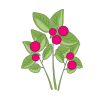
Annual Pink is a versatile generic flower placeholder for use on the garden planner when the specific flowering plant you wish to grow is not listed. It represents compact annual flowering plants such as Dianthus species, commonly known as pinks, which produce cheerful blooms in shades of pink, red, white, and bi-colours.
These plants are popular for edging borders, filling gaps in beds, and adding colour to the vegetable garden. Many annual pinks also produce lightly fragrant, edible flowers that can be used as garnishes or in salads. They are generally easy to grow, tolerating a range of conditions, and are a favourite for attracting pollinators such as bees and butterflies.
Use this icon as a general-purpose flower marker until your specific plant becomes available in the planner.
How To Grow
Getting Started
Sow seeds indoors 6–8 weeks before the last expected frost, or direct sow into prepared beds once the soil has warmed to at least 10°C. Sow at a depth of approximately 0.5–1 cm and keep the growing medium consistently moist until germination occurs, usually within 7–14 days.
Soil and Position
Choose a sunny or lightly shaded spot with well-drained soil. Annual pinks dislike heavy, waterlogged conditions. Improve poor soils with compost before planting, and aim for a neutral to slightly alkaline pH.
Spacing and Transplanting
Transplant seedlings or thin direct-sown plants to approximately 20 cm apart within rows, with 30 cm between rows. Handle roots gently during transplanting to avoid shock.
Ongoing Care
Water regularly but avoid wetting foliage to reduce the risk of fungal disease. Deadhead spent flowers frequently to encourage continuous blooming throughout the season. A light balanced fertiliser applied monthly will support sustained flowering.
Harvesting
When to Harvest Flowers
For ornamental use, enjoy the blooms in the garden throughout the flowering season. For cut flowers, harvest stems in the early morning when blooms are just opening, cutting at an angle and placing immediately into water to extend vase life.
Edible Flowers
The petals of many annual pinks are edible and mildly fragrant. Harvest individual petals or whole blooms as needed, choosing freshly opened flowers. Rinse gently before use. Remove the white base of the petal before eating, as it can have a bitter taste.
Extending the Season
Regular deadheading — removing faded flowers before they set seed — prolongs the flowering period significantly. Allow a few blooms to set seed at the end of the season if you wish to collect seed for the following year.
Common Problems
Fungal Diseases
Overhead watering and poor air circulation can encourage grey mould (Botrytis) and powdery mildew. Water at the base of plants and space them adequately to improve airflow. Remove and dispose of any infected plant material promptly.
Root Rot
Waterlogged or poorly drained soils can cause root rot. Ensure beds are well-drained and avoid overwatering, particularly in cooler, wetter periods.
Pests
Aphids may colonise young shoots and flower buds. Check plants regularly and remove infestations by hand or with a strong jet of water. Slugs and snails can damage young seedlings — use physical barriers or organic controls as needed.
Leggy Growth
Insufficient light can cause weak, leggy stems. Ensure plants receive adequate sunlight, and pinch out growing tips on young plants to encourage bushier, more compact growth.