From Mess to Success: How to Map Your Autumn Garden Clean-Up

As the October chill sets in and summer’s lush growth begins to fade, it is easy to look out over the vegetable patch and feel a sense of completion. Without timely intervention, however, a productive summer garden quickly transitions into an unruly landscape of spent tomato vines, yellowing foliage, and persistent autumn weeds.
While it is tempting to delay maintenance until spring, dedicating time in October to tidy, enrich, and organise your growing beds establishes the critical foundation for a seamless and highly productive growing season next year.
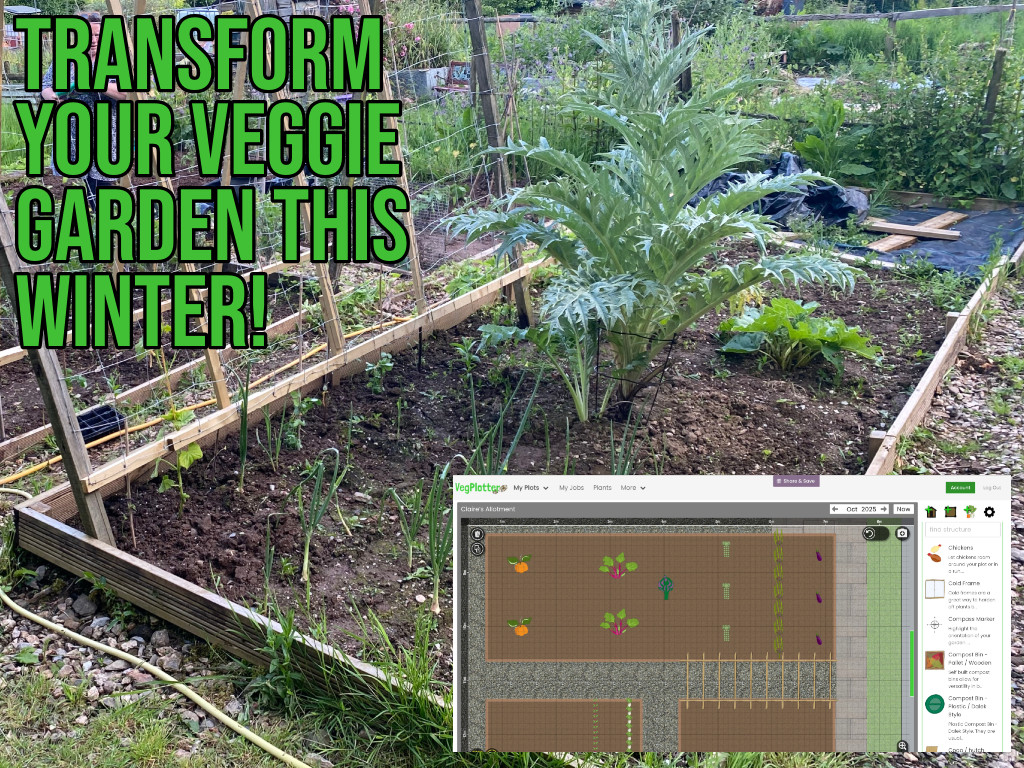
The following structured, step-by-step winter plan outlines how to efficiently manage your autumn garden transition—and how to leverage VegPlotter to turn seasonal maintenance into a precise strategic blueprint for spring.
Step 1: Harvest and Clear Spent Summer Crops
Before clearing beds, complete your final harvests of warm-season produce:
- Green Tomatoes: Gather remaining green tomatoes before the first hard frost. These can be ripened indoors in a controlled environment or utilised in autumn preservation recipes.
- Winter Squash and Pumpkins: Collect mature squash once vines naturally die back and rinds harden. Cure them in a well-ventilated, dry space to toughen the skin for long-term storage.
- Root Vegetables: Lift main crop carrots, parsnips, and potatoes prior to prolonged heavy saturation or hard freezes.
Once harvesting is complete, remove spent plant material. Chop down dead stalks and compost healthy green waste.
Important Note on Garden Hygiene: If any crops exhibited signs of fungal pathogens—such as early or late blight—or harbored heavy pest populations, exclude them from your home compost system. Dispose of diseased debris off-site or via municipal green waste to prevent spores from overwintering in your soil.
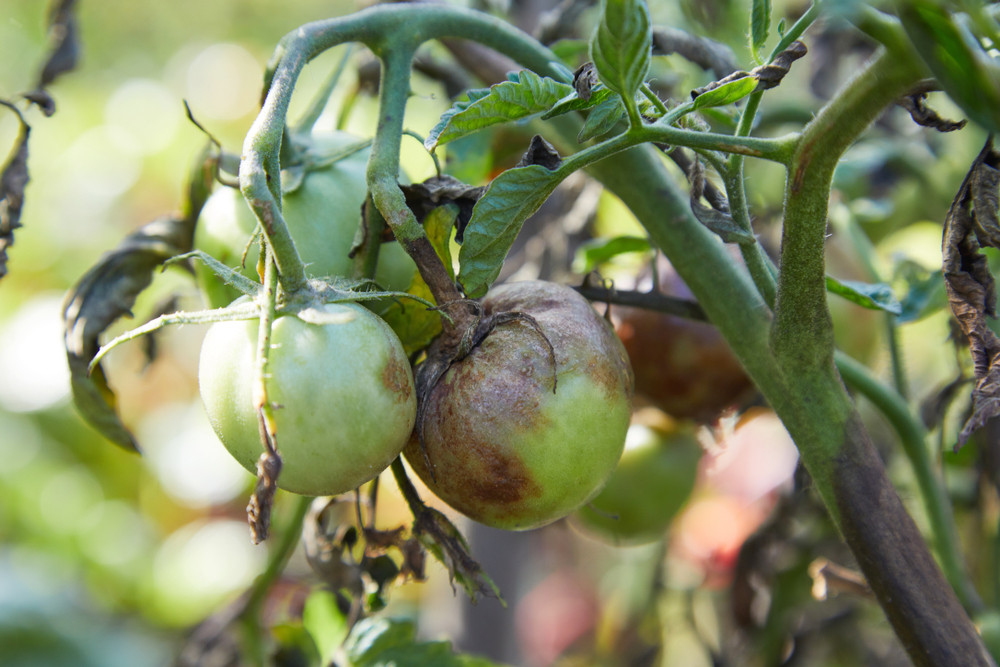
Tomatoes suffering from late blight
Step 2: Feed and Protect the Soil
Leaving garden beds bare through the winter months exposes vulnerable soil structures to heavy precipitation, which accelerates nutrient leaching and compaction. Mitigate these risks using one of two proven methods:
Option A: Organic Mulch Application
Apply a generous 2- to 3-inch layer of nutrient-rich organic matter—such as well-rotted farmyard manure, finished garden compost, or leaf mould—directly to the soil surface. Over the winter months, natural weathering and biological activity will incorporate these amendments into the soil profile, enhancing tilth and fertility without requiring disruptive tilling.
Option B: Green Manures and Cover Crops
For beds cleared early in the month, sowing cover crops such as winter rye, clover, or field beans provides active biological armour:
- Root systems stabilize soil aggregates and prevent nutrient leaching.
- Dense vegetative growth naturally suppresses winter weed germination.
- Incorporating these crops as green manure in early spring returns valuable nitrogen and organic matter directly to the soil.
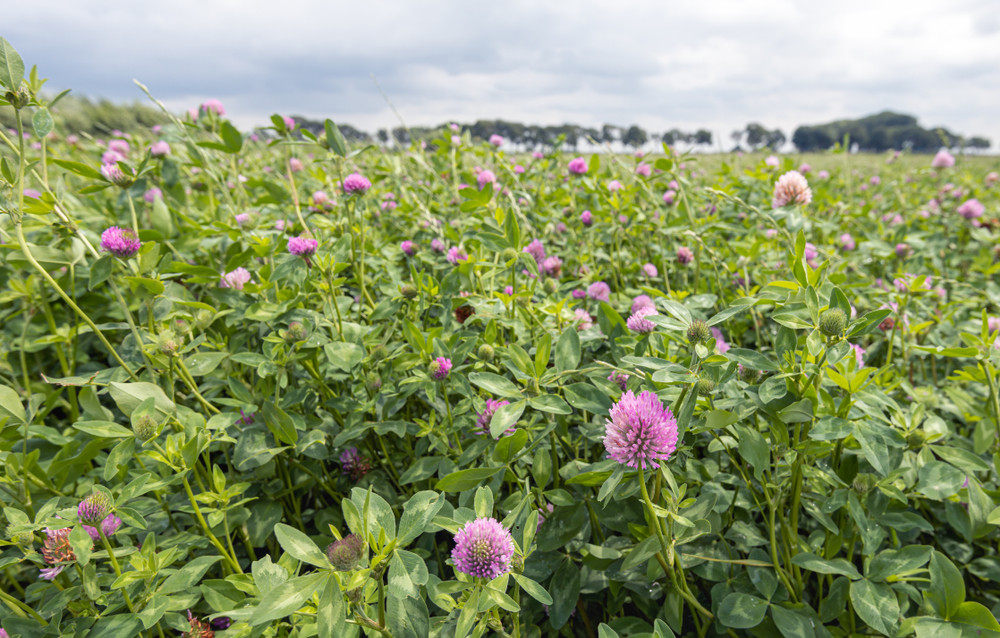
Clover cultivated as green manure
Step 3: Log and Map in VegPlotter
The key to an effortless spring planting schedule is capturing your plot’s layout while this season's crop history is fully documented.
Integrate digital mapping into your workflow with these essential VegPlotter practices:
- Update Bed Statuses: Access your VegPlotter digital layout and update bed designations. Utilise custom notes or labels to indicate which beds have received specific soil amendments, ensuring accurate tracking of nutrient profiles.
- Enforce Crop Rotation Principles: A common pitfall in spring planning is losing track of previous heavy feeders (such as brassicas or solanaceous crops). Logging your autumn harvest history in VegPlotter allows the software’s rotation tracking tools to automatically flag potential family conflicts for the upcoming season.
- Incorporate Overwintering Crops: Map out your autumn plantings—including winter garlic, shallots, and overwintering brassicas—directly onto your digital grid. This reserves space and prevents inadvertent double-booking of beds intended for early spring use.
Your October Clean-Up Checklist
| Task | Action | VegPlotter Advantage |
|---|---|---|
| Harvest | Gather green tomatoes, cure pumpkins, lift root crops. | Record final yield metrics directly on crop icons. |
| Clear | Remove spent foliage; isolate and discard diseased material. | Clear finalised crop entries from active bed maps. |
| Nourish | Apply compost mulch or establish green manure cover crops. | Annotate beds as "Mulched" or "Cover Cropped." |
| Plant | Install autumn garlic, shallots, and broad beans. | Map perennial and overwintering positions to secure bed allocations. |
| Protect | Install low tunnels or fleece over winter salad greens. | Add structural notes regarding microclimates and protection structures. |
Prepare Your Garden for Next Season Today
Investing time in your garden layout during October removes the complexity from spring preparation. By pairing a disciplined, bed-by-bed winter routine with VegPlotter’s intuitive planning tools, you safeguard your soil health, eliminate rotation guesswork, and step into the new growing year with total confidence.