Save Your Seeds : Harvesting, Types, and Storage Tips
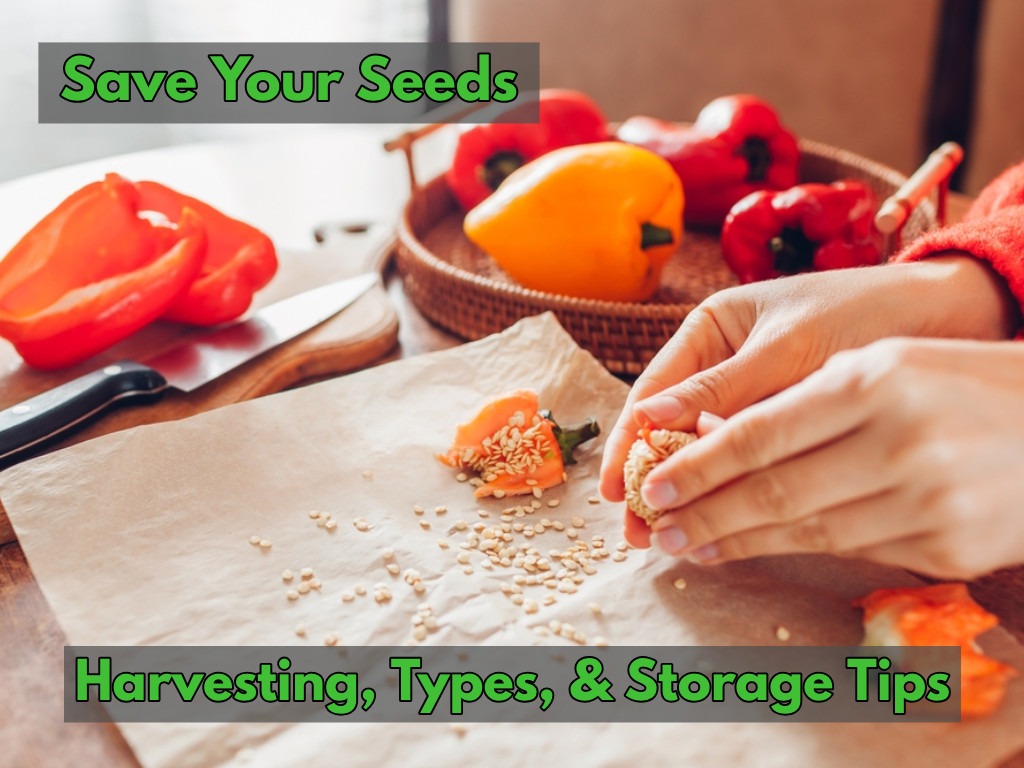
Saving your own vegetable seeds is the ultimate garden cheat code. It eliminates the need to buy seed packets every year, selectively breeds plants tailored to your specific local soil, and closes the loop on sustainable home gardening. However, achieving high germination rates next spring requires knowing that not all seeds are harvested the same way—a wet tomato seed requires an entirely different preservation method than a dry bean pod or a biennial carrot root.
The foundational rule of saving seed starts with plant genetics: always harvest from open-pollinated (OP) or heirloom varieties. Seeds saved from F1 hybrid plants will not grow "true to type," resulting in unpredictable plant traits, poor yields, or bitter fruit in the next generation.
1. Dry Pod Seeds (Beans, Peas, Okra, Brassicas)
These are the easiest entry point for beginner seed savers.
- Harvesting: Allow the pods to dry directly on the vine until they turn brown, brittle, and papery. Shell the seeds indoors and let them air-dry on a flat tray for an additional 7–10 days.
- The Dent Test: Press your thumbnail into the seed. If it leaves an indentation, the seed still contains too much moisture and needs more drying time. It should feel rock-hard.
2. Wet Gel Seeds (Tomatoes, Cucumbers, Melons)
These seeds are encased in a gelatinous sheath that contains natural germination inhibitors, requiring a brief fermentation process.
- Harvesting & Fermentation: Scoop the seeds and surrounding pulp into a small glass jar with a few tablespoons of water. Allow the mixture to ferment at room temperature out of direct sunlight for 2 to 4 days until a layer of white mold forms on top. This mold breaks down the gel coat and kills seed-borne pathogens.
- Rinsing: Add water, stir, and let the viable seeds sink to the bottom. Pour off the floating pulp and unviable seeds. Rinse the good seeds through a fine-mesh strainer and spread them across parchment paper or a glass plate for 1 to 2 weeks to dry completely.
3. Fleshy/Dry-Scrape Seeds (Peppers, Winter Squash, Pumpkins)
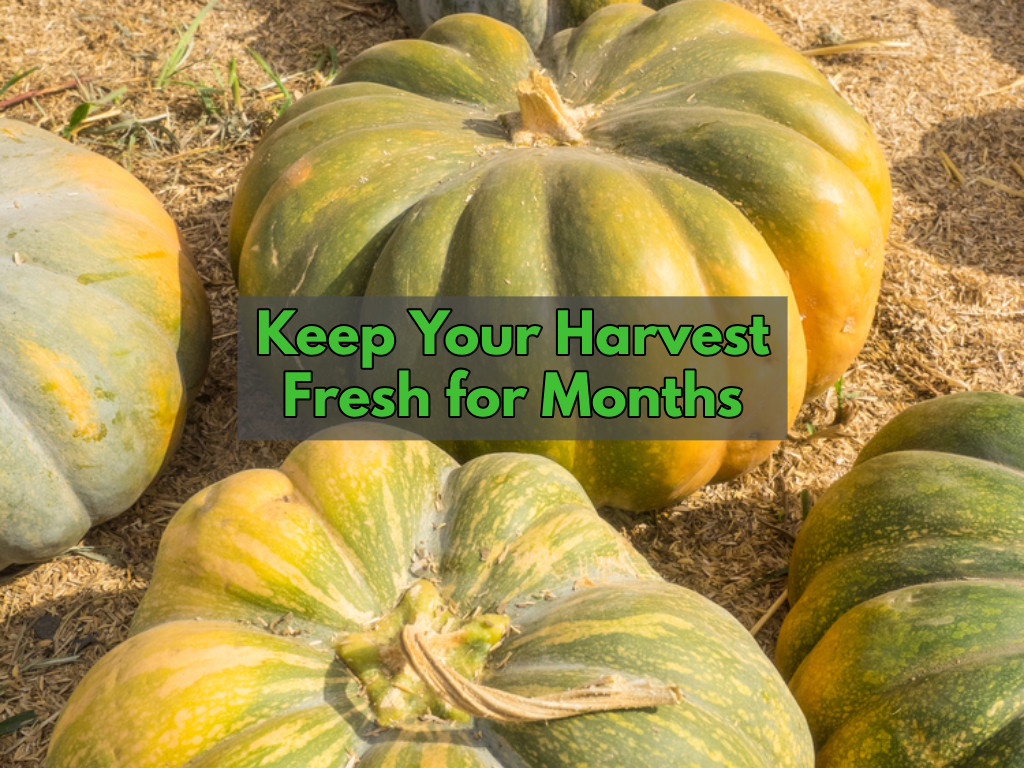
- Harvesting: Wait until the fruit reaches full maturity. Peppers should change to their final color (red, orange, or yellow), and squash skins should harden so they cannot be pierced by a fingernail. Scoop out the seeds, scrape off the inner pulpy string, rinse under cool water, and lay them in a single layer on parchment paper to dry for 7 to 14 days.
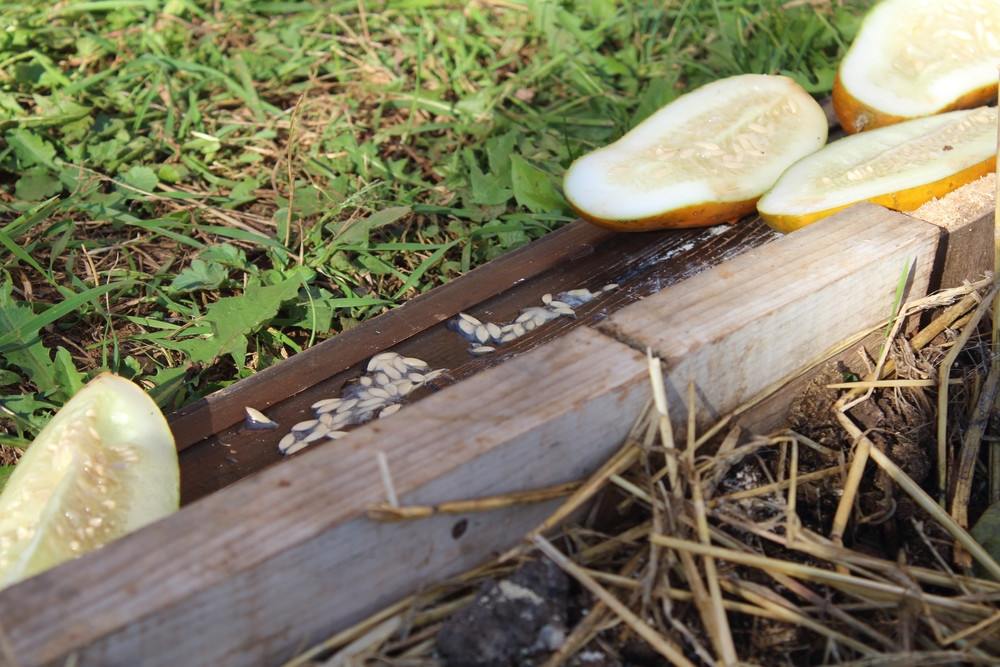
Harvesting and drying cucumber seeds, collecting seeds on the garden billets
4. Biennial Roots & Bulbs (Carrots, Beets, Onions, Parsnips)
Biennial crops require two full growing seasons to yield seeds. In year one, the plant develops a thick root or bulb to store nutrients. In year two, it uses that stored energy to shoot up a flower stalk and produce seeds.
- The 2-Year Cycle: Grow your carrots, beets, or onions as normal in year one, selecting only the healthiest plants. Overwinter the roots—either directly in the ground under a 6-inch layer of straw mulch in mild climates, or packed in damp sand in a cool, dark cellar (35–40°F / 2–4°C) in hard-freeze regions.
- Harvesting: Replant the roots early in spring. The plant will bloom by mid-summer. Allow flower heads (umbels on carrots, long stalks on beets) to turn fully brown and dry on the plant before snipping them off into a paper bag.
- Isolation Warning: Biennials cross-pollinate easily. Carrots will readily cross-pollinate with wild Queen Anne’s Lace, and beets will cross with Swiss Chard. Use fine isolation netting over flower stalks to ensure pure seeds.
5. Bolting Greens & Chaff-Borne Seeds (Lettuce, Spinach, Herbs)
Leafy greens focus on lush foliage until triggered by warm temperatures, at which point they "bolt"—sending up central seed stalks.
- Harvesting: Let the central stalk flower, fade, and form dry seed clusters. Cut the entire stalk when 50–70% of the seed heads are ripe. Place the flower heads upside down inside a brown paper bag, tie the neck, and hang it in a warm, dry room for 1–2 weeks.
- Chaff Cleaning: Shake the bag to release the seeds. Pass the contents through a fine mesh sieve or pour them between two bowls outdoors on a breezy day—the wind will blow away the light leaf debris (chaff) while the heavier seeds drop straight into the bowl.
6. Vegetative "Seed" Propagation (Potatoes, Garlic, Sweet Potatoes)
Some of the most popular garden crops are grown by saving and replanting physical plant tissues (tubers, cloves, or roots) to clone the parent plant.
| Crop | What You Save | Processing & Storage | Replanting Method |
|---|---|---|---|
| Garlic & Shallots | Individual unpeeled cloves or bulbs | Cured in a shaded, warm place with high airflow for 2–3 weeks. Store at room temperature (55–60°F / 13–15°C) in breathable mesh bags. | Break into individual cloves right before planting outdoors in autumn. |
| Seed Potatoes | Small, healthy tubers (egg-sized) | Unwashed tubers stored in total darkness at cool temperatures (38–40°F / 3–4°C) with moderate humidity. | Bring into bright room light 3–4 weeks before planting in spring to sprout ("chitting"). |
| Sweet Potatoes | Smooth, undamaged roots | Cured at 85°F (29°C) for 7 days to seal skin, then stored at 55–60°F (13–15°C). Never refrigerate. | Submerge in water or soil in late winter to grow leafy vines ("slips"), which are snapped off and planted. |
Optimal Conditions for Maximum Seed Storage Longevity
Moisture, excess heat, and light are the primary causes of seed dormancy failure and mold growth. Standardizing your storage strategy will preserve seed viability for years to come.
| Storage Factor | Target Condition | Recommended Container | Longevity Impact |
|---|---|---|---|
| Humidity Control | Below 35% relative humidity | Paper envelopes stored inside airtight glass Mason jars with a food-grade silica gel pack | Prevents rot, fungal spores, and premature sprouting. |
| Temperature | 32°F to 50°F (0°C to 10°C) | Cool basements, root cellars, or airtight crisper drawers in the refrigerator | Slows seed respiration and preserves internal food reserves. |
| Light Exposure | Complete darkness | Opaque storage containers, dark glass, or closet storage | Prevents UV degradation and simulates underground dormancy conditions. |
Always label your storage envelopes immediately with the exact variety name, harvest date, and notes on plant performance. Stored under these optimal conditions, standard vegetable seeds like tomatoes, squash, and brassicas will retain high germination viability for 3 to 5 years.