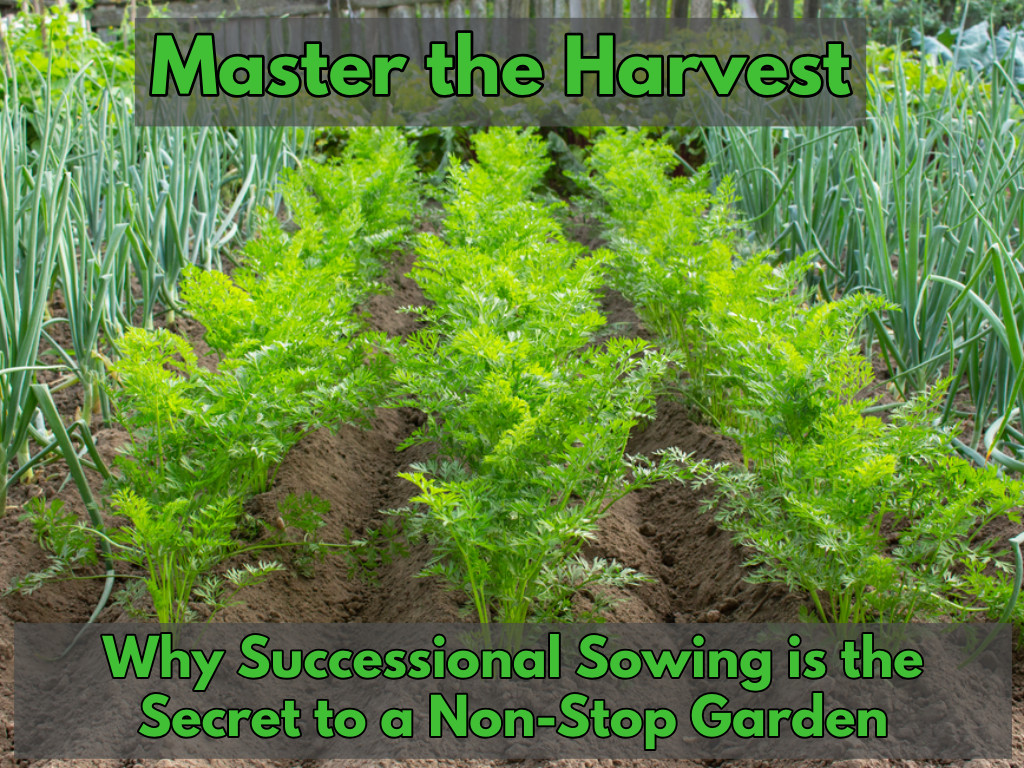
Master the Harvest: Why Successional Sowing is the Secret to a Non-Stop Garden
Ever had that moment in mid-July where you have thirty heads of lettuce ready at once, followed by a "green desert" in August? We’ve all been there. It’s the classic gardener’s dilemma: feast or famine.
Successional sowing is the strategic solution to this heartbreak. Instead of planting your entire seed packet in one afternoon, you stagger your plantings over several weeks or months. This ensures a steady, manageable stream of fresh produce rather than a single, overwhelming tidal wave.
The Core Benefits: Beyond Just Better Salads
Successional sowing isn't just about timing; it’s about optimizing the biological potential of your plot.
1. Maximizing Yield in Small Spaces
By treating your garden like a relay race—where one crop finishes and immediately hands the baton to the next—you can easily double or triple your annual harvest. This is "intensive gardening" at its finest. When your early radishes come out, your kale starts go in. No soil stays bare, and no sunlight goes to waste.
2. Soil Health and "Living Roots"
Leaving soil bare is an open invitation for erosion and nutrient leaching. Successional sowing keeps living roots in the ground year-round. These roots exude sugars that feed the soil microbiome, maintaining a healthy fungal network ($mycorrhizae$) that helps plants uptake phosphorus and water more efficiently.
3. Pest and Disease Management
Pests often have specific "emergence windows." If you plant all your carrots at once and the carrot fly is active, your entire crop is at risk. By sowing in successional "waves," you increase the odds that at least some of your crops will miss the peak activity of specific pests.
Perfect Partners: Successional Companions
To make the most of your successional plan, you need to understand Companion Planting. This is the art of placing plants together that provide mutual benefits, such as nitrogen fixation, physical support, or pest deterrence.
| First Crop (Early) | Successor / Companion (Late) | Benefit |
|---|---|---|
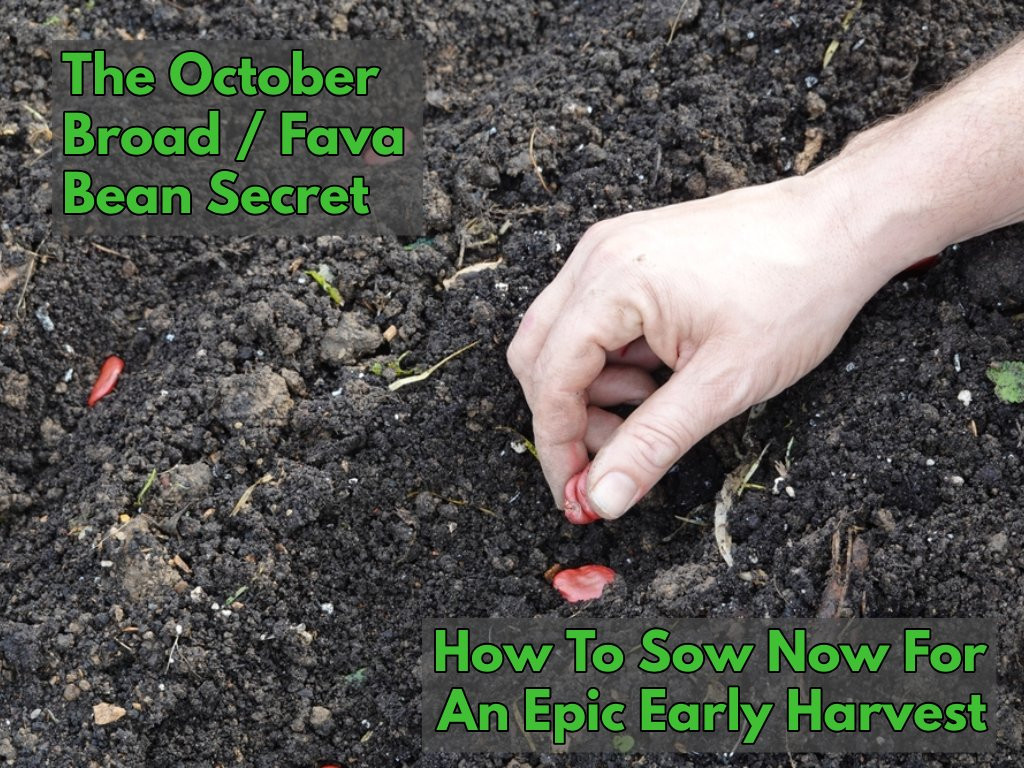
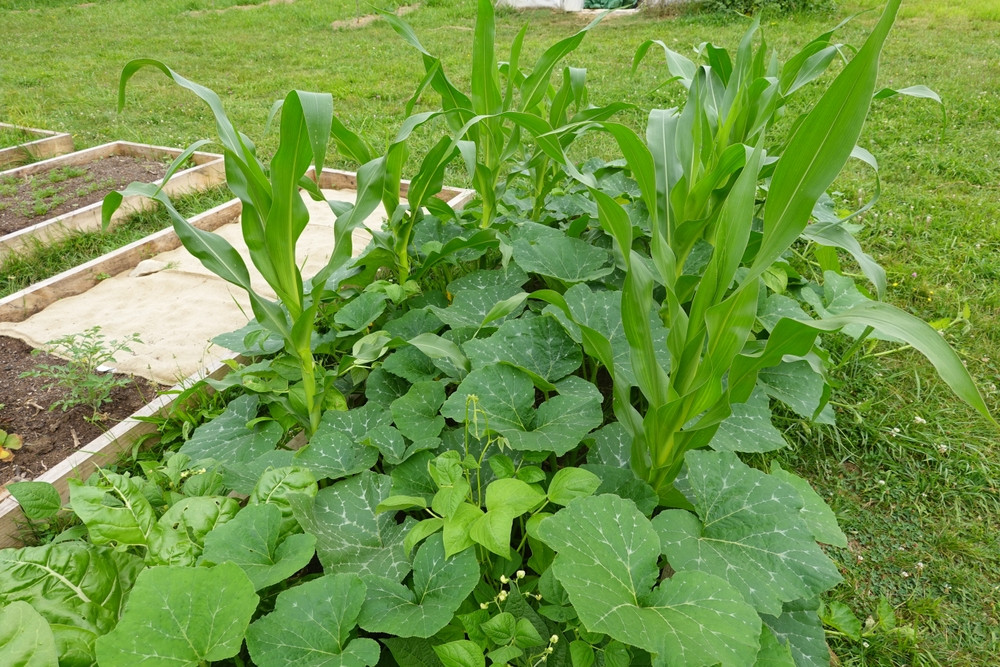
| Broad Beans | Sweetcorn | Beans fix nitrogen; Corn uses it for heavy growth. |
| Radishes | Carrots | Radishes grow fast, "marking" the row for slow-germinating carrots. |
| Early Potatoes | Leeks | Leeks can be dropped into the holes left by harvested potatoes. |
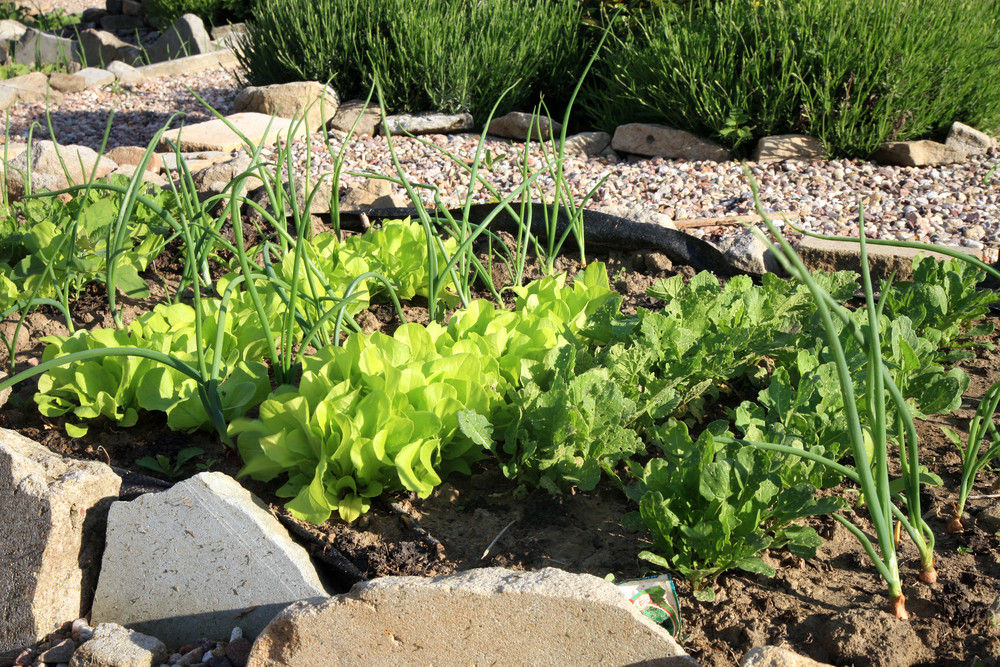
| Lettuce | Tall Tomatoes | Tomatoes provide shade for lettuce as the summer heat kicks in. |
| Garlic | Squash | Harvest garlic in mid-summer; let the squash vines take over the space. |
How VegPlotter.com Revolutionizes Your Planning
Let’s be honest: keeping track of what was planted when (and where) can feel like a full-time job. This is where VegPlotter.com becomes your most valuable tool.
Unlike a static spreadsheet, VegPlotter allows you to:
- Visualize Time: Use the month-by-month slider to see exactly when gaps open up in your beds.
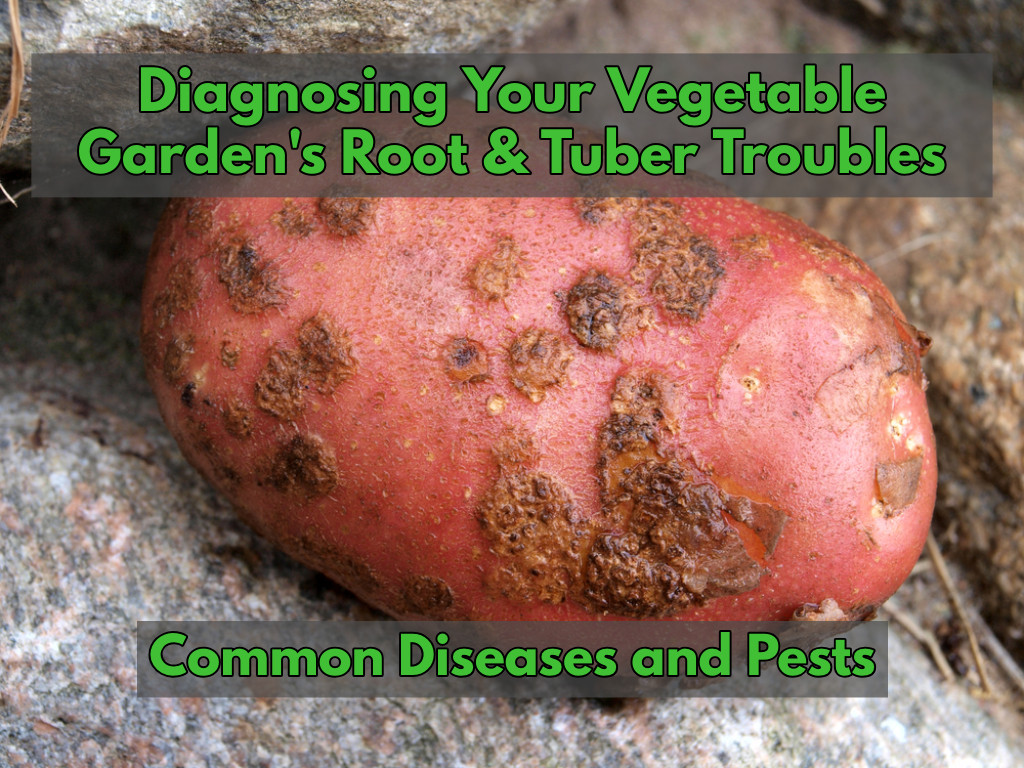
- Track Crop Rotation: Automatically ensures you aren't planting the same family in the same spot, preventing soil-borne diseases.
- Plan "Overlaps": You can see when your Brussels Sprouts (which take months) will finally need the space currently occupied by your quick-growing spinach.
By using a digital planner, you remove the guesswork. You can look at your "September Garden" in January and know exactly how many seedlings you need to have ready in the nursery.
Pro-Tip: The "Sow Every Two Weeks" Rule
For leafy greens like arugula, spinach, and lettuce, the golden rule is to sow a small amount every 14 days.
Expert Insight: Don't wait for the first batch to be harvested before sowing the second. The goal is to have "Starts" (seedlings in trays) ready to hit the ground the moment a space opens up.
Successional sowing turns your garden from a summer hobby into a year-round grocery store. It requires a bit more forethought, but the reward—a fridge that is always full and soil that is always healthy—is well worth the effort.