Growing Ginger: The Ultimate Guide to the Medicinal Plant Of 2026
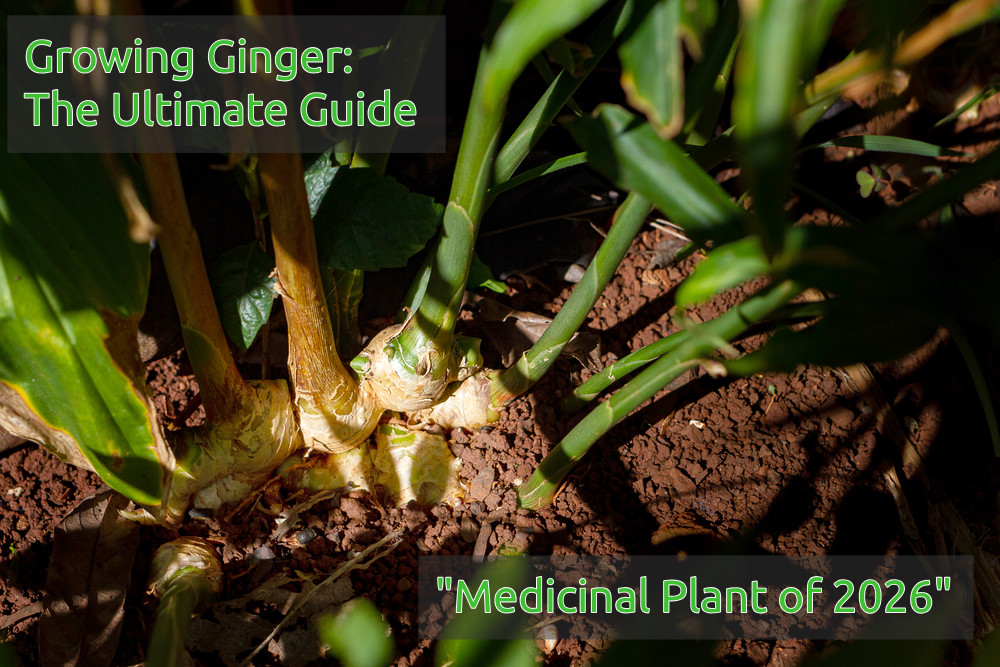
Ginger has officially been named the Medicinal Plant of the Year for 2026, and there has never been a better time to add this "horned root" to your garden. Whether you’re using a balcony in Seattle, a community garden in New York, or a sprawling allotment in London, ginger is the perfect high-reward crop for the modern gardener.
At VegPlotter, we believe in making gardening effortless. Here is everything you need to know about the history, benefits, and secrets to a massive ginger harvest this year.
The Roots of History: From Ancient Ships to Your Garden
Ginger (Zingiber officinale) doesn’t actually exist in the wild. It is a true cultigen, first domesticated over 5,000 years ago by the Austronesian peoples of Southeast Asia.
- Ancient Maritime Trade: Ginger was one of the first spices to travel the globe. It was so valued by the Romans that they even taxed it as a luxury item.
- The "Horned Root": Its name comes from the Sanskrit word singabera, meaning "shaped like a horn."
- Royal Influence: Queen Elizabeth I is credited with inventing the gingerbread man, creating sweet likenesses of her royal courtiers to give as gifts—a tradition that remains a staple of US and UK holiday seasons today.
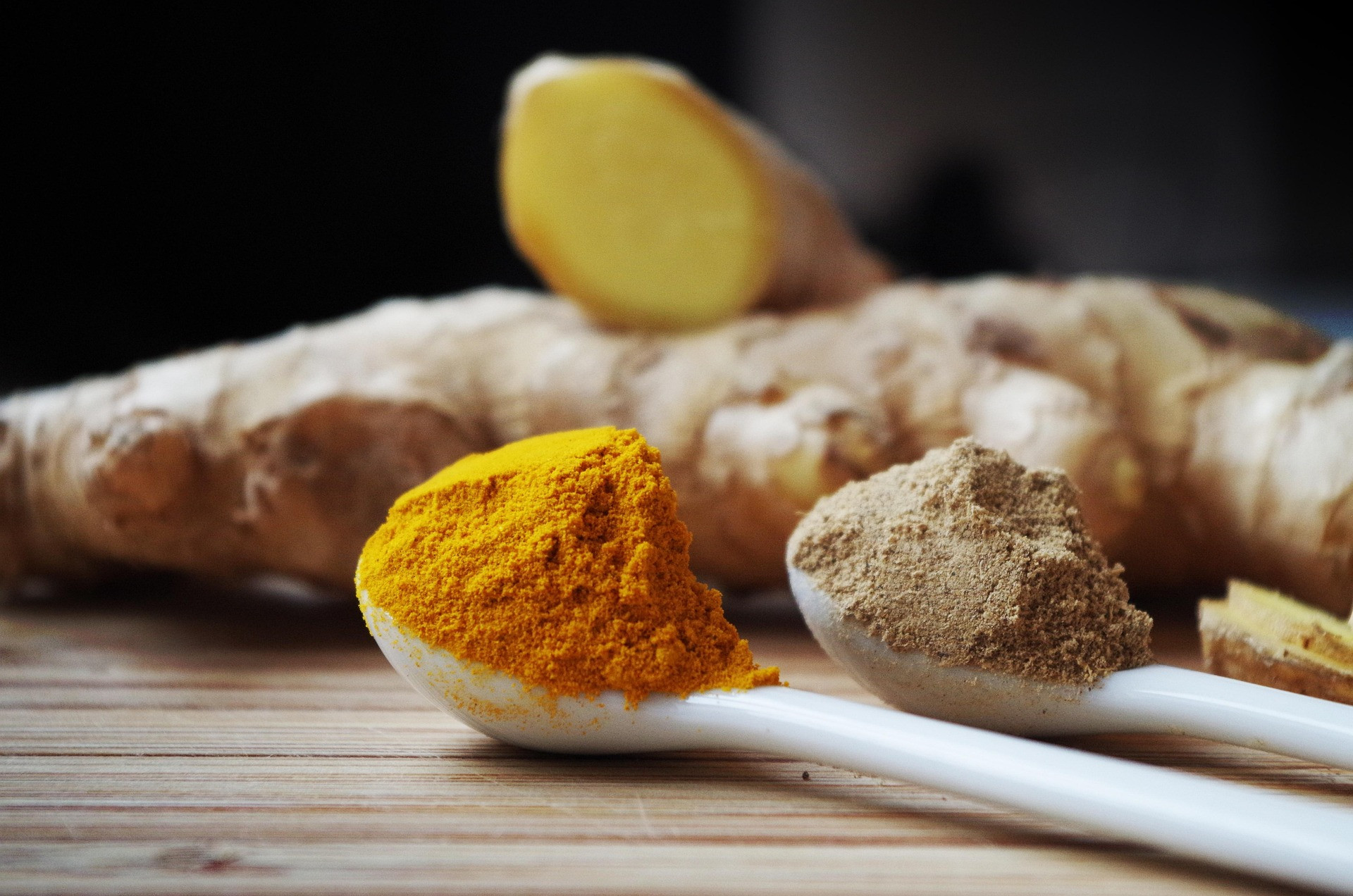
Why Grow Ginger? The 2026 Health & Culinary Boom
Ginger is a powerhouse of nutrition and flavor. In 2026, scientific research has further solidified its place in our diets for three main reasons:
1. Medicinal Powerhouse
Ginger contains gingerol and shogaol, bioactive compounds with potent anti-inflammatory effects.
- Nausea Relief: It remains the gold standard for treating motion sickness and morning sickness.
- Immune Support: Its antioxidant properties help neutralize free radicals, making it a staple for preventing seasonal colds.
- Joint Health: New 2026 studies highlight its ability to reduce mild joint pain and improve mobility.
2. Culinary Versatility
In the kitchen, ginger is part of the "Holy Trinity" (alongside garlic and scallions).
- Fresh: Grate it into stir-fries, dressings, or morning smoothies.
- Pickled: Known as Gari in Japan, it’s the perfect palate cleanser for sushi.
- Sweet: From traditional American gingerbread to the spicy ginger beers that saw a massive resurgence.
3. Dietary Benefits
Ginger is a natural thermogenic, meaning it can slightly boost your metabolism and aid in weight management by promoting a feeling of fullness.
How to Grow Ginger: Step-by-Step for 2026
While ginger is a tropical plant, it is surprisingly easy to grow in cooler climates if you follow these steps.
Step 1: Source Your "Seed"
Don't look for seeds; look for rhizomes. You can use organic ginger from the supermarket or a local farmer's market. Choose pieces that are plump and have visible "eyes" (small, light-colored, horn-like buds).
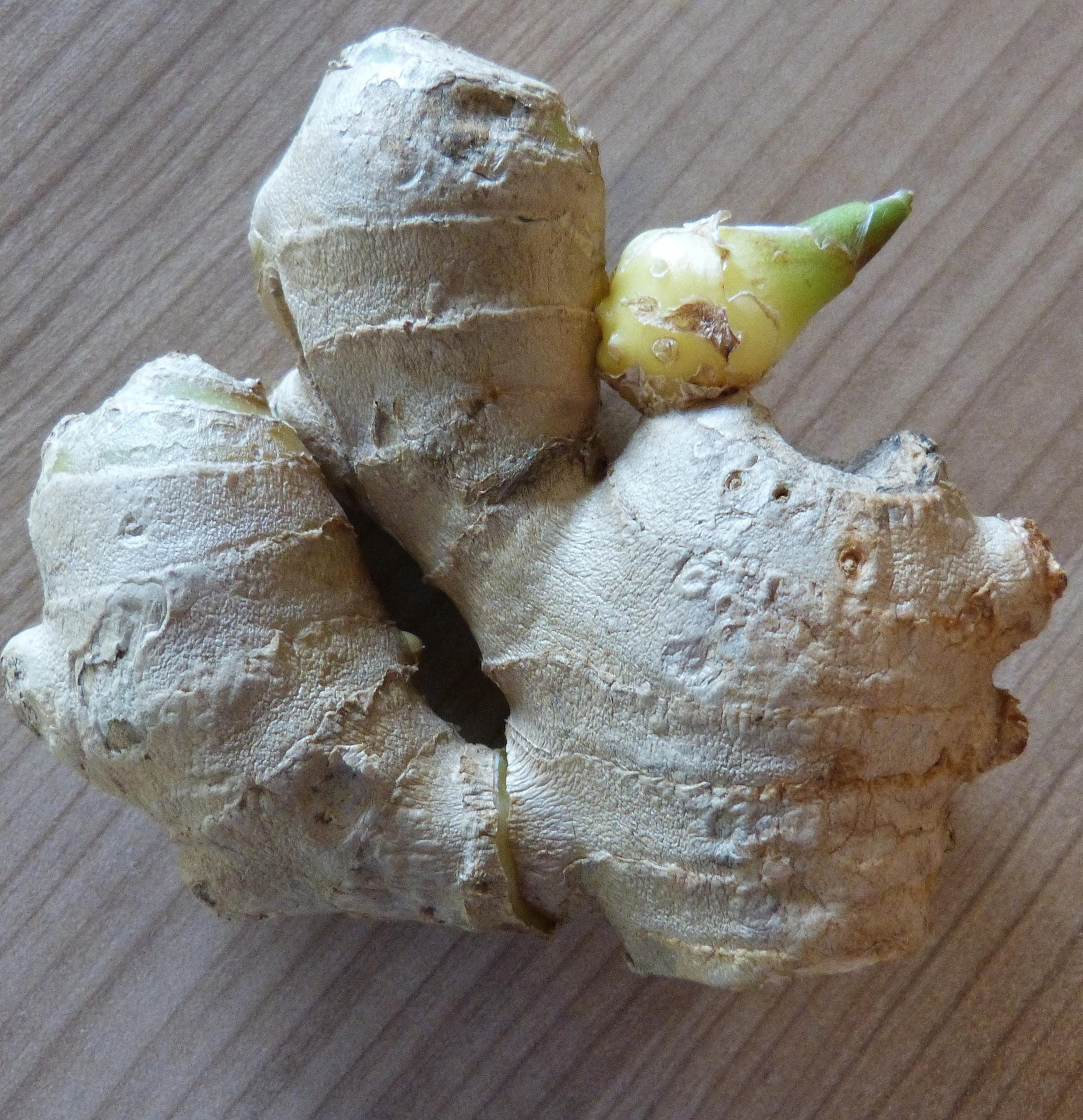
Step 2: Pre-Sprout (The Secret to Success)
Ginger has a long growing season (8–10 months). Start indoors in late winter or early spring.
- Soak the rhizome in warm water overnight to remove any growth inhibitors.
- Place it in a tray of moist compost or potting soil in a warm spot ( or ).
Step 3: Planting
Once sprouts appear, move them to their final home.
- Container Size: Use a pot at least 12 inches (30 cm) wide. Ginger grows horizontally, not deeply.
- Soil: Use a well-draining, rich potting mix with plenty of compost.
- Depth: Plant the rhizome 2–4 inches (5–10 cm) deep with the buds facing up.
Step 4: Maintenance
- Light: Ginger loves dappled shade. Avoid harsh, direct afternoon sun which can scorch the leaves.
- Watering: Keep the soil consistently moist but never waterlogged.
- Feeding: Use a high-potassium liquid fertilizer (like tomato feed) once a month during the summer.
Expert Tips for a Huge Harvest
- The "Hilling" Technique: Just like potatoes, as the ginger grows and the pinkish rhizomes peek through the soil, cover them with fresh compost. This encourages more horizontal growth and larger "hands."
- Humidity is Key: If growing indoors or in a greenhouse, mist your plants regularly. Ginger thrives in about 50% humidity.
- Harvesting "Baby Ginger": You don't have to wait 10 months! After about 4–5 months, you can "rob" the plant by reaching into the soil and snapping off a small piece of tender, skinless baby ginger.
Plan Your Ginger Crop with VegPlotter
Ready to start your 2026 ginger journey? Use the VegPlotter Garden Planner to map out your containers or garden beds. Our software automatically adjusts to your local frost dates—whether you're in USDA Zone 7 or on the outskirts of Christchurch, New Zealand—telling you exactly when it's safe to move your ginger outside.