Why Soil Preparation is the Secret to a Record-Breaking Spring Harvest
As the frost retreats and the first signs of green emerge, the urge to get seeds into the ground is undeniable. However, any seasoned grower will tell you that a successful harvest isn’t won in the planting—it’s won in the soil preparation.
In 2026, with shifting climate patterns and a growing focus on sustainable "no-dig" methods, preparing your garden beds is no longer just about "turning the dirt." It is about engineering a living ecosystem. By investing time now, you can dramatically increase your yield, reduce pest pressure, and ensure your garden thrives all season long.
1. Test, Don’t Guess: The Science of Soil Health
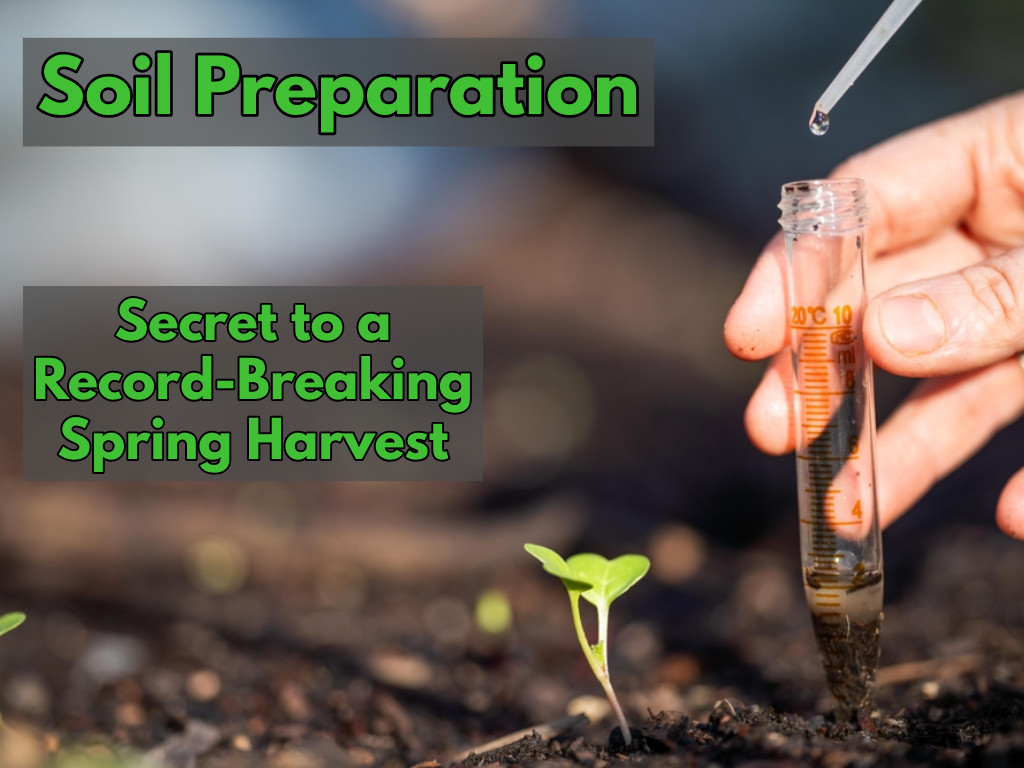
Before you add a single shovel of compost, you must understand your baseline. Soil testing is the most overlooked step in gardening, yet it provides the highest return on investment.
- pH Balance: Most vegetables thrive in a slightly acidic to neutral range (6.0 to 7.0). If your soil is too acidic, nutrients like phosphorus and magnesium become "locked," meaning your plants can’t absorb them even if they are present.
- Nutrient Profile (NPK): Knowing your Nitrogen (N), Phosphorus (P), and Potassium (K) levels prevents "luxury consumption"—where you over-fertilize, leading to lush leaves but zero fruit, or worse, nutrient runoff that harms the environment.
Good Practice: Use a digital pH tester or a manual ph soil test kit in early spring. If your soil is too acidic, add garden lime; if too alkaline, incorporate sulfur or pine needles.
2. Structure Over Strength: To Dig or Not to Dig?
Modern gardening has seen a massive shift toward No-Dig (No-Till) methods. Traditional tilling can destroy the delicate mycorrhizal fungi networks and bring dormant weed seeds to the surface.
The No-Dig Approach
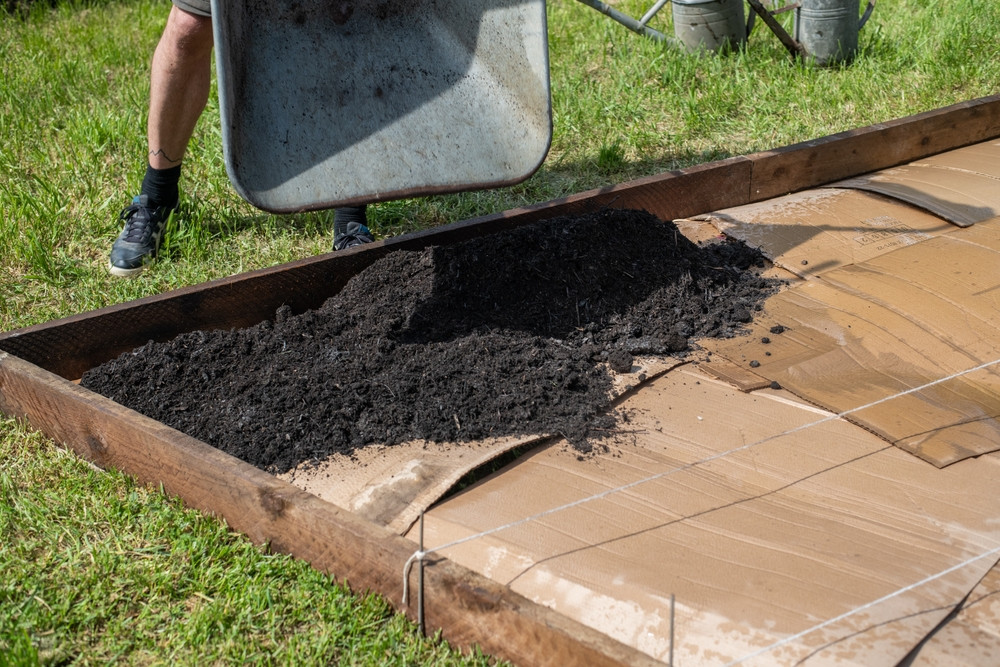
Instead of digging, you layer organic matter on top. This suppresses weeds, retains moisture, and feeds the earthworms that do the "tilling" for you.
- The Method: Lay down a layer of cardboard (to kill weeds) and top with 5–10cm of high-quality compost.
- The Benefit: Your soil stays aerated, and the structure remains intact, allowing roots to penetrate deeper with less effort.
Traditional Cultivation
If your soil is heavily compacted (common in new builds or clay-heavy plots), a one-time double-digging or the use of a broadfork can help. A broadfork creates deep cracks for air and water without flipping the soil layers upside down.
3. Maximizing Yield with VegPlotter.com
Preparation isn't just physical; it's logistical. To achieve a professional-grade yield, you need to manage your space efficiently. This is where VegPlotter.com becomes your most valuable tool.
- Visual Soil Management: You can map out your beds to scale and track exactly where you applied specific amendments (like heavy manure for "hungry" crops like pumpkins).
- Automated Crop Rotation: Planting the same family in the same spot leads to soil depletion and disease. VegPlotter automatically flags rotation conflicts, ensuring your soil stays "fresh" for each new crop.
- Succession Planning: Increased yield comes from never leaving a bed empty. Use the software to plan "catch crops" (like radishes or lettuce) that grow in the gaps while your main crops are establishing.
4. Examples of High-Yield Soil Amendments
Depending on what you plan to grow, your "spring cocktail" of amendments should vary:
| Crop Type | Best Amendment | Why? |
|---|---|---|
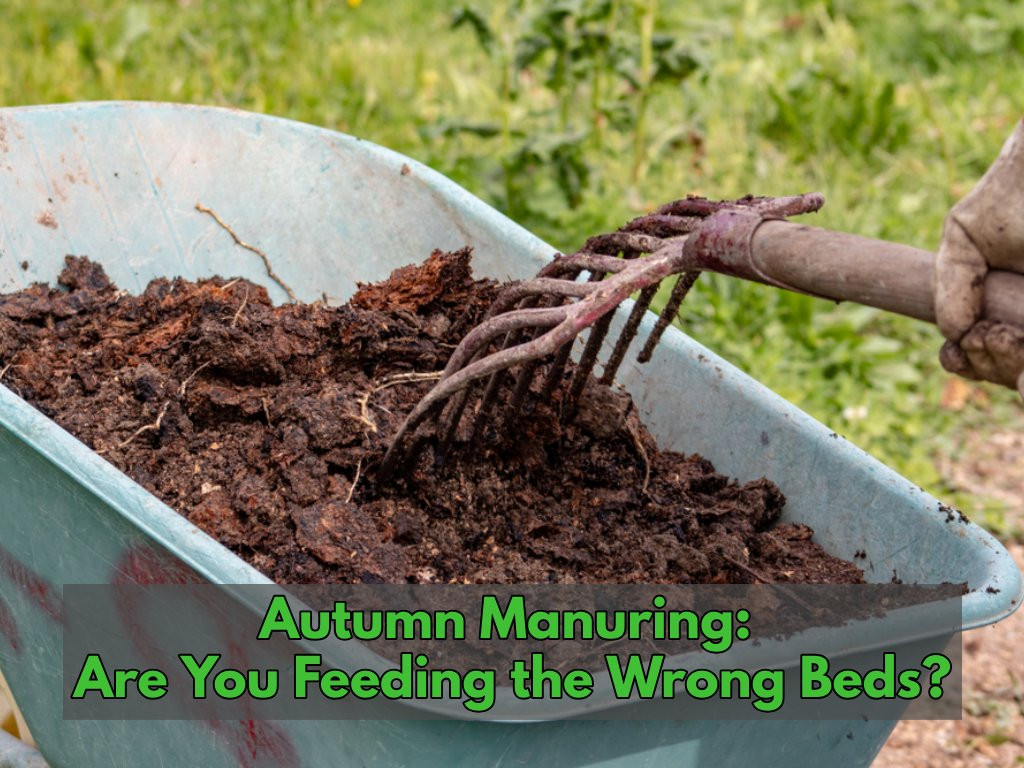
| Heavy Feeders (Tomatoes, Brassicas) | Well-rotted manure | High nitrogen and organic bulk for sustained growth. |
| Root Crops (Carrots, Parsnips) | Leaf mold or sand | Prevents "forking" by providing a loose, stone-free texture. |
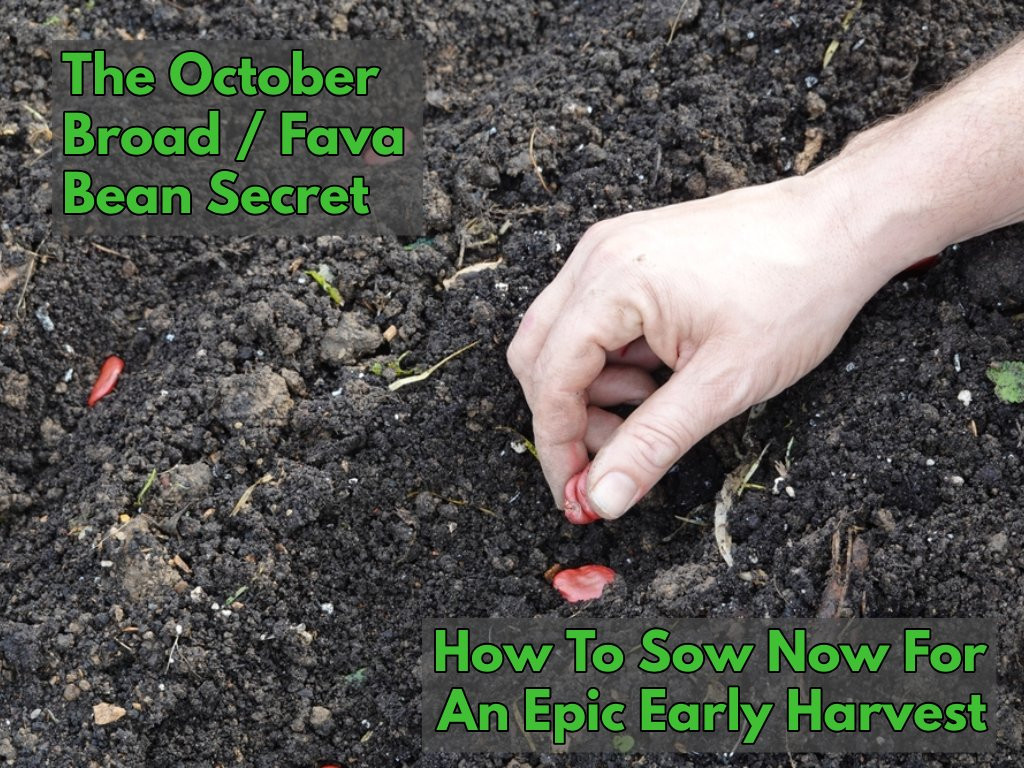
| Legumes (Beans, Peas) | Light compost | They fix their own nitrogen; too much manure leads to all leaves and no beans. |
5. The Spring Countdown: A Quick Checklist
- Clear Debris: Remove any overwintered weeds by the root to prevent competition.
- Aerate: Use a garden fork to gently lift the soil, allowing it to warm up faster.
- Amend: Apply your compost or specialized fertilizers (like Blood, Fish, and Bone) at least two weeks before planting.
- Warm the Soil: If you’re planting early, cover your prepared beds with cloches or black plastic to trap solar heat.
By focusing on the "underground" work now, you ensure that when those first seeds sprout, they have the buffet of nutrients and the structural support they need to provide a record-breaking harvest.