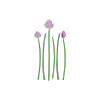
This is a generic light pink perennial flower icon for use on the garden planner. Use it to represent any perennial flowering plant that is not yet included in the available plant list.
Perennial flowers return year after year, making them a rewarding and low-effort addition to any garden. They provide structure, colour, and ecological value across multiple growing seasons. Light pink flowering perennials are popular for their soft, welcoming aesthetic and their ability to blend harmoniously with a wide range of other garden plants.
This placeholder can represent a variety of perennial species, from low-growing ground covers to tall border plants. Use it freely to map out flower beds and mixed borders in your garden plan.
How To Grow
Perennial flowers are generally planted in spring or autumn, either from seed, divisions, or transplants. Prepare the planting area by loosening the soil and incorporating organic matter to improve drainage and fertility.
Sowing from seed: Sow seeds at a depth of approximately 1 cm, either indoors for transplanting or directly into prepared beds. Keep the growing medium consistently moist until germination occurs.
Planting transplants or divisions: Space plants approximately 20–30 cm apart to allow for mature growth. Water in well after planting.
Ongoing care: Most perennial flowers benefit from an annual application of balanced fertiliser in spring. Deadheading spent blooms encourages continued flowering throughout the season. Cutting back foliage in late autumn or early spring helps maintain plant vigour and tidiness.
Divide established clumps every 3–4 years to prevent overcrowding and to rejuvenate flowering performance.
Harvesting
As an ornamental perennial, this flower is primarily grown for visual display rather than harvest. However, many light pink perennial flowers make excellent cut flowers for indoor arrangements.
For cut flowers: Harvest stems in the early morning when temperatures are cool and the plant is well-hydrated. Choose blooms that are just beginning to open for the longest vase life. Cut stems at an angle and place immediately into clean water.
Deadheading: Regularly remove faded blooms to extend the flowering period and maintain a tidy appearance. Some perennials also benefit from leaving seed heads in place at the end of the season to provide winter interest and wildlife habitat.
Flowering typically occurs from late spring through summer, depending on the specific species represented.
Common Problems
Generic perennial flowers can be affected by a range of common garden pests and diseases. Awareness and good growing practice can prevent most issues.
Pests:
- Aphids: Clusters of small insects on new growth. Blast off with water or use an insecticidal soap spray.
- Slugs and snails: Can cause significant damage to young plants and emerging shoots. Use barriers, traps, or biological controls.
- Vine weevils: Larvae feed on roots, causing wilting. Check root balls when dividing plants.
Diseases:
- Powdery mildew: A white powdery coating on leaves, common in dry conditions with poor air circulation. Improve spacing and avoid overhead watering.
- Botrytis (grey mould): Thrives in cool, damp conditions. Remove affected material promptly and ensure good airflow.
General tips: Avoid waterlogging, which can lead to root rot. Ensure adequate spacing to reduce humidity around foliage. Remove dead and decaying plant material regularly to minimise disease pressure.