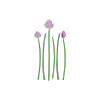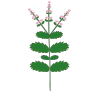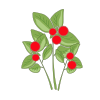
A generic perennial flower placeholder for use on the garden planner. Use this icon to represent any perennial flowering plant that is not already included in the available plant list. Perennial flowers return year after year, dying back in winter and re-emerging in spring from their root system. They are a cornerstone of any ornamental garden, providing colour, attracting pollinators, and supporting beneficial insects. Common examples include coneflowers, rudbeckia, salvia, peonies, astilbe, and many more. This placeholder allows you to map out flowering borders and beds within your garden plan even when your specific variety is not listed.
How To Grow
Perennial flowers are best planted in spring or autumn when the soil is workable and temperatures are moderate. Prepare the planting area by digging in organic matter such as compost to improve soil structure and drainage. Most perennial flowers prefer a well-drained position and will struggle in waterlogged soil over winter. Plant at the same depth as the original container or crown, spacing plants according to the mature size of the specific variety. Water in well after planting. Apply a mulch of bark or compost around the base to retain moisture and suppress weeds. Many perennials benefit from dividing every three to five years to maintain vigour and encourage better flowering. Cut back dead stems in late autumn or early spring, depending on whether the seed heads provide winter interest or wildlife habitat.
Harvesting
Many perennial flowers can be harvested for use as cut flowers or for edible petals, depending on the specific species. For cut flowers, harvest stems early in the morning when the plant is well-hydrated and blooms are just beginning to open. Cut stems at an angle with clean, sharp scissors or secateurs and place immediately into water. Remove any leaves that would sit below the waterline to prevent bacterial growth. Deadheading spent blooms — removing faded flowers — encourages the plant to continue producing new flowers throughout the season rather than setting seed. Leave some seed heads in place at the end of the season to provide food for birds and overwintering habitat for beneficial insects.
Common Problems
Perennial flowers can be affected by a range of common garden pests and diseases. Aphids are frequent visitors and can be controlled by encouraging natural predators such as ladybirds and lacewings, or by spraying with a dilute soap solution. Slugs and snails can damage young emerging growth in spring; use organic slug pellets, copper barriers, or encourage ground beetles and hedgehogs. Powdery mildew is a common fungal problem, particularly in dry conditions or when plants are overcrowded — improve air circulation by thinning stems and avoid overhead watering. Vine weevils can damage roots, particularly in container-grown plants. Overly wet winter soil is one of the most common causes of perennial loss — ensure good drainage at planting time.