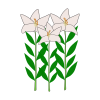
Lilies are elegant, fragrant flowering plants belonging to the genus Lilium, celebrated for their large, trumpet-shaped blooms and striking visual presence. They come in a wide spectrum of colours — white, yellow, pink, red, orange, and purple — often adorned with speckled or patterned petals that add to their exotic appeal.
Growing from bulbs, lilies are true perennials that return reliably each year, producing blooms typically in late spring through summer depending on the variety. They are strongly associated with symbolism — representing purity, devotion, and renewal — making them a popular choice for celebratory and ceremonial occasions alike.
Among the most widely grown types are Asiatic lilies (early blooming, wide colour range, minimal fragrance), Oriental lilies (intensely fragrant, large flowers, later blooming), Tiger lilies (hardy, bold orange with black spots), and Trumpet lilies (stately, strongly scented, tall stems). Each offers different characteristics suited to different garden styles and growing conditions.
Lilies are valued both as garden border plants and as long-lasting cut flowers. They are relatively straightforward to grow and multiply naturally over time. Important note: lilies are highly toxic to cats and should be planted with caution in gardens accessible to pets.
How To Grow
Planting Lily Bulbs
Lilies are grown from bulbs, which can be planted in autumn or early spring before new growth emerges. Choose a site with full sun to partial shade and excellent soil drainage — waterlogged conditions quickly cause bulb rot.
Soil Preparation
- Dig the soil to at least 30cm depth and incorporate well-rotted compost or organic matter.
- Aim for a slightly acidic to neutral pH (6.0–7.0).
- Avoid heavy clay soils unless significantly amended with grit and compost.
Planting Depth and Spacing
- Plant bulbs at a depth of approximately 3 times the bulb's height (typically 10–15cm deep).
- Space bulbs 25–30cm apart to allow good air circulation and room to multiply.
- Place bulbs with the pointed tip facing upward.
Watering and Mulching
- Water well after planting and maintain consistent moisture during active growth.
- Apply a layer of organic mulch around the base to retain soil moisture, regulate temperature, and suppress weeds.
- Avoid wetting the foliage to reduce the risk of fungal disease.
Feeding
- Apply a balanced, slow-release fertiliser when shoots emerge in spring.
- A potassium-rich feed just before flowering encourages stronger, longer-lasting blooms.
Staking
- Tall varieties (particularly Orientals and Trumpets) benefit from staking to prevent stem damage from wind or the weight of their large flowers.
After Flowering
- Deadhead spent blooms to prevent the plant from directing energy into seed production.
- Allow foliage to die back naturally — this is essential for the bulb to store energy for the following season.
- Cut back stems only once the foliage has fully yellowed and died.
Winter Care and Division
- In colder climates, a thick mulch layer over the planting area provides insulation for bulbs.
- Divide clumps every 3–4 years in autumn to prevent overcrowding and maintain vigorous flowering. Lift, separate, and replant bulbs at the same depth.
Harvesting
Harvesting Lily Blooms for Cut Flowers
Lilies make exceptional cut flowers, and harvesting them correctly ensures maximum vase life while protecting the plant's long-term health.
When to Harvest
- Cut stems in the early morning or late evening when temperatures are cooler and stems are well-hydrated.
- Harvest when buds are just beginning to show colour but are not yet fully open. Closed or partially open buds will continue to open in the vase, significantly extending their display life.
- Avoid cutting fully open flowers — these will have a much shorter vase life.
How to Cut
- Use a sharp, clean knife or pruning shears to make a clean angled cut.
- Cut the stem at a 45° angle, leaving at least one-third of the stem and all remaining foliage on the plant. This is critical — removing too much stem prevents the bulb from photosynthesising adequately and weakens next year's growth.
- Place cut stems immediately into a bucket of clean, lukewarm water.
Post-Harvest Care
- Remove any leaves that would sit below the waterline to prevent bacterial growth.
- If desired, remove the pollen-bearing anthers from open flowers to avoid staining fabrics and to slightly extend bloom life.
- Change vase water every 2 days and re-trim the stem ends each time.
- Keep arrangements in a cool location away from direct sunlight, ripening fruit, and heat sources to prolong freshness.
Bulb Health After Harvesting
- After flowers are finished — whether cut or left on the plant — allow the foliage to remain intact and die back naturally before removing it. This ensures the bulb stores sufficient energy for the following year's display.
Common Problems
Common Lily Problems
Lily Beetle (Lilioceris lilii)
The scarlet lily beetle and its larvae are among the most damaging lily pests. Adults and grubs feed voraciously on leaves and buds. Check plants regularly and remove beetles and egg clusters by hand. Neem oil or insecticidal soap can help manage infestations organically.
Botrytis (Grey Mould)
A fungal disease causing brown spots on leaves and buds, often developing in cool, damp conditions with poor air circulation. Improve spacing between plants, avoid overhead watering, and remove affected foliage promptly. A copper-based fungicide can be applied in severe cases.
Aphids
Aphid colonies can gather on young shoots and flower buds, weakening growth and potentially transmitting viruses. Blast off with a strong jet of water or apply an insecticidal soap spray. Encouraging natural predators such as ladybirds and lacewings helps manage populations.
Basal Rot (Fusarium oxysporum)
A soil-borne fungal infection causing rotting at the base of the bulb and yellowing foliage. Caused by poorly draining soil or infected bulbs. Always plant in well-drained soil, avoid overwatering, and inspect bulbs for soft or discoloured areas before planting.
Virus Diseases
Lilies can be affected by mosaic viruses, which cause streaked, mottled, or distorted foliage. Viruses are typically spread by aphids. There is no cure — affected plants should be removed and destroyed. Controlling aphid populations is the best preventative measure.
Cats and Toxicity
All parts of true lilies (Lilium species) are highly toxic to cats and can cause fatal kidney failure even in small amounts. Gardeners with cats should consider this carefully when choosing planting locations.