Autumn Manuring: Are You Feeding the Wrong Beds?
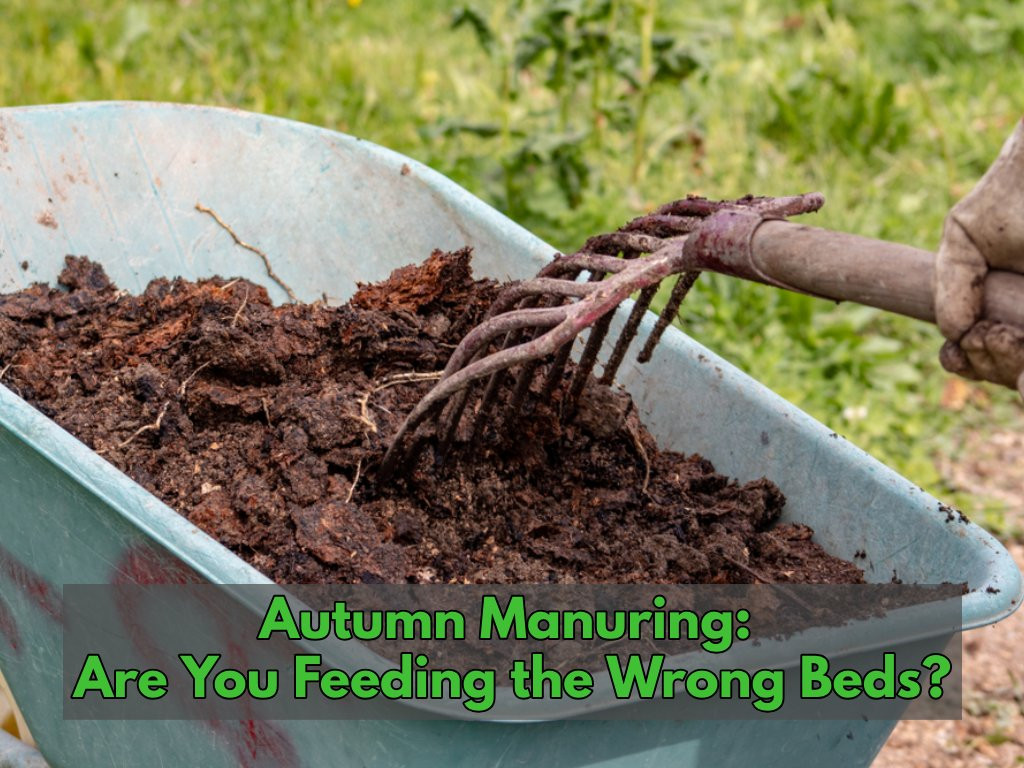
Think all autumn vegetable beds need a layer of muck? Think again. Discover why blanketing your allotment in manure ruins crops, and how to plan before you shovel.
As crops are cleared and the plot empties out, bare patches of soil begin to appear across the allotment. Leaving soil exposed over the cold, wet winter is a massive missed opportunity—driving rain packs down the structure, wind erodes the surface, and essential nutrients leach away into the subsoil.
Autumn is the classic window to feed your soil with a rich blanket of well-rotted manure.
Before you grab a fork and wheelbarrow, pause. Blanketing every bed in muck feels productive, but spreading manure blindly is the fastest way to sabotage your own harvest next spring. To build fertile soil without causing chaos, you need the right muck, applied to the right spots, with a rock-solid plan in place.
The Breakdown: Which Manure Does Your Plot Need?
Walk onto any allotment site this time of year and you'll find piles of steaming organic matter. Every type behaves differently beneath the surface:
| Manure Type | Best Soil Match | Nutrient Profile | Essential Rule |
|---|---|---|---|
| Horse Manure | Heavy clay & dense loams | Balanced, fibrous N-P-K | Must be well-rotted (at least 6 months) to avoid burning roots and spreading weed seeds. |
| Cow Manure | Light, sandy ground | Cool, slow-release | Superb for water retention and bulk, but wet and heavy to shovel. |
| Chicken Manure | Nitrogen-depleted beds | Extremely high Nitrogen | Very "hot"; use dry pellets or compost it—never spread neat as a thick mulch. |
| Mushroom Compost | Acidic soils, heavy clay | Calcium & lime-rich | Keep well away from acid lovers and beds earmarked for scab-free potatoes. |
1. Horse Manure: The Allotment Classic
The gold standard for soil structure and drainage. Loaded with digested straw, it opens up tight clay and gives worms plenty of carbon to work with. Just ensure it is dark, crumbly, and fully composted; fresh muck locks up nitrogen and sprouts a carpet of pasture weeds.
2. Cow Manure: The Moisture Magnet
Heavier, cooler, and wetter than horse manure, this is the top pick for sandy soil that dries to dust in summer. It builds deep humus and traps water, though hauling a barrow full of it will give you a serious workout.
3. Chicken Manure: The High-Octane Booster
Fowl manure is packed with concentrated nitrogen, making it ideal for kickstarting sluggish compost heaps or boosting hungry leafy greens. Raw chicken manure is chemically hot—high uric acid will scorch tender roots—so stick to pelleted versions or blend fresh bedding into your compost bin in modest layers.
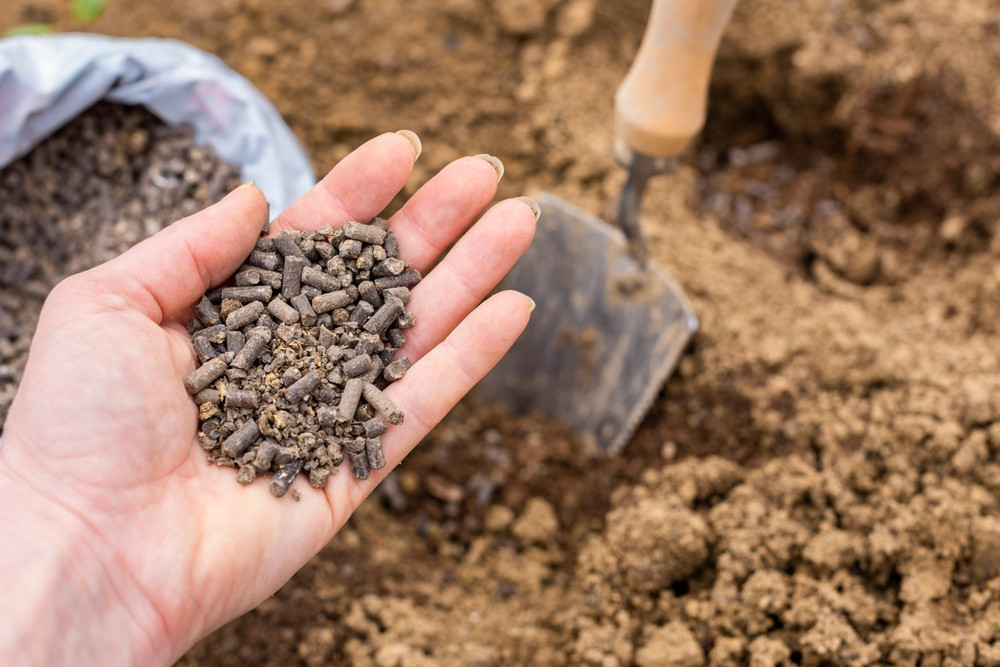
Preparing soil for planting, fertilizing with compressed chicken manure pellets
4. Mushroom Compost: The Clean Bulk-Builder
A blend of straw, chalk, and peat alternatives left over from commercial mushroom farming, this is easy to handle and weed-free. The catch: it contains significant lime. It will raise your soil pH, which acid-loving berries hate and which triggers unsightly common scab on homegrown potatoes.
The Golden Rule: The Root Crop Dilemma
Here is why spreading manure across every square foot will backfire next season.
| Crop Group | Reaction to Autumn Manure | What Happens Next Spring |
|---|---|---|
| Root Crops (Carrots, Parsnips, Beetroot) |
Damaged by rich pockets | Taproots hit concentrated nitrogen, panic, and branch into weird, twisted, unpeelable forks. |
| Heavy Feeders (Brassicas, Potatoes, Squash) |
Thrive on rich fertility | Big root networks soak up the moisture and slow-release nutrients to fuel massive growth. |
If you spread manure on a bed this autumn and try to grow carrots or parsnips there next spring, the rich pockets of nutrients will cause your roots to split and fork into alien shapes. Carrots want lean, uniform soil so their taproots head straight down in search of food.
Conversely, heavy feeders like cabbages, cauliflowers, potatoes, and squashes love ground that was generously manured the previous autumn. They need that deep fertility reserve to sustain months of heavy leaf and fruit production.
Map Your Beds First
You cannot spread your manure blindly! You need to know exactly where your crops are going before you start mulching.
Log into VegPlotter this weekend. Map out your beds for next year, identify where your heavy feeders are going, and only spread your manure on those specific beds. Leave your future root-crop beds bare or sow a green manure instead!