Lifting Rhubarb Crowns for Winter Forcing
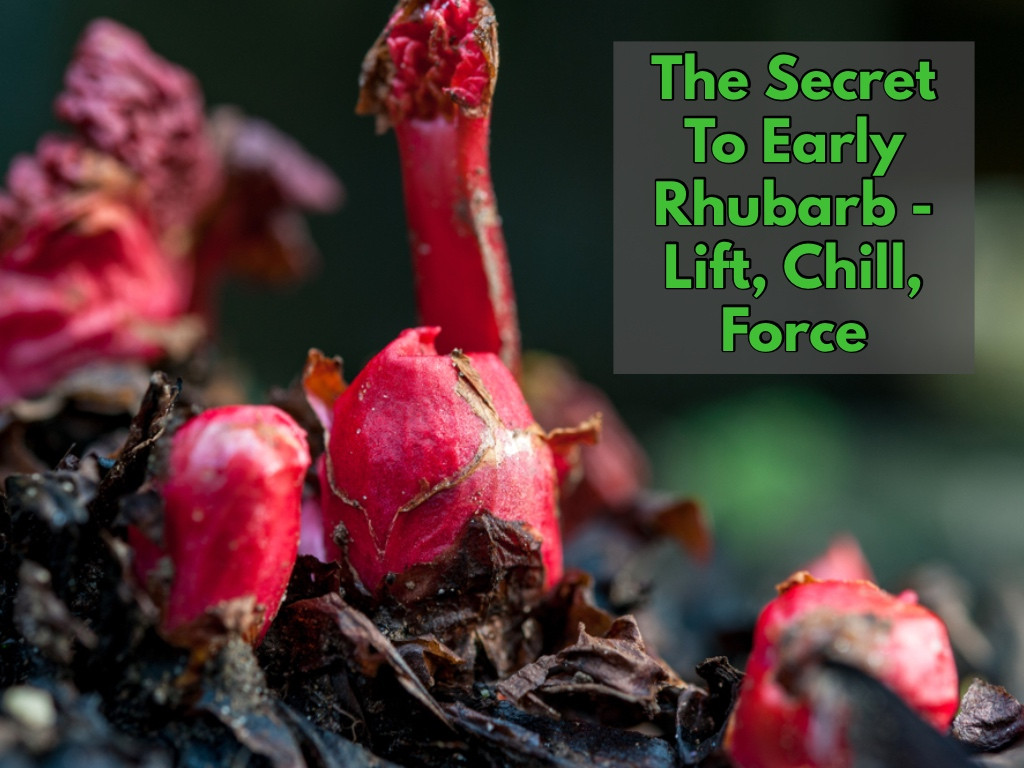
Forcing rhubarb out of season yields the sweetest, most tender pink stems of the year. By tricking dormant crowns into early growth indoors during the coldest months of winter, you can harvest fresh stalks in January and February—months ahead of the outdoor spring crop.
November provides the precise horticultural window required to prepare, lift, and chill mature crowns to trigger this process successfully.
Why November Is the Critical Window
Rhubarb (Rheum rhabarbarum) relies on winter chill hours to initiate bud break. Forcing cannot succeed until two environmental conditions are met:
- Complete Dormancy: Foliage must fully collapse and wither back to the crown naturally. Cutting back green leaves prematurely deprives the root system of late-season energy storage.
- Vernalization (Cold Requirement): Rhubarb crowns require sustained exposure to temperatures below 5°C (40°F) to break internal dormancy mechanisms.
November brings both dormant crowns and the first sustained ground frosts across temperate growing zones. Without this initial cold shock, crowns brought indoors remain sluggish or fail to sprout entirely.
Step-by-Step: How to Lift and Prepare Rhubarb Crowns
Forcing requires substantial root reserves. Select vigorous, established crowns between 3 and 5 years old. Avoid lifting crowns younger than three years, as their root storage cannot sustain forced growth.
The Forcing Timeline
| Stage | Timing | Action & Conditions | Expected Outcome |
|---|---|---|---|
| Phase 1: Lifting & Chilling | Late Autumn (Mid to Late Nov) | Dig up mature root ball; rest exposed directly on top of soil or boards. | Sharp ground frosts penetrate the root to break internal dormancy. |
| Phase 2: Dark Potting | 1–2 Weeks Later (Early Dec) | Pack crown into a bucket with spent compost; water lightly and seal in complete darkness at 10–16°C. | Etiolation begins as buds awaken without sunlight. |
| Phase 3: Harvest | Mid-Winter (Jan – Feb) | Check weekly in low light; pull stems once 20–30 cm tall. | Tender, pale crimson stalks with low acidity and delicate flavor. |
1. Dig the Root Ball
Using a sharp spade or garden fork, cut a wide circle around the crown perimeter—roughly 15–20 cm (6–8 inches) away from the outer buds. Drive the blade straight down to preserve as much of the thick storage taproot system as possible. Lever the root ball upward gently to avoid snapping the main rhizome.
2. The Surface Frosting Technique
Do not move the crown indoors immediately after lifting. Place the root ball directly on top of the soil surface or onto a wooden board outdoors. Leave it exposed to the elements for one to two weeks.
Exposing the lifted crown to raw winds and sharp November frosts accelerates chilling hours far more effectively than leaving the root insulated under deep soil.
Moving Indoors: Establishing Total Darkness
Once thoroughly frosted, transition the crown to an indoor environment to initiate vegetative growth.
- Potting Up: Set the crown into a deep tub, crate, large bucket, or pot. Fill around the root system with moist, spent potting compost, leaf mould, or garden soil. Pack it loosely around the root mass to prevent drying out; active fertilizing is unnecessary because the plant will feed solely on its internal root reserves.
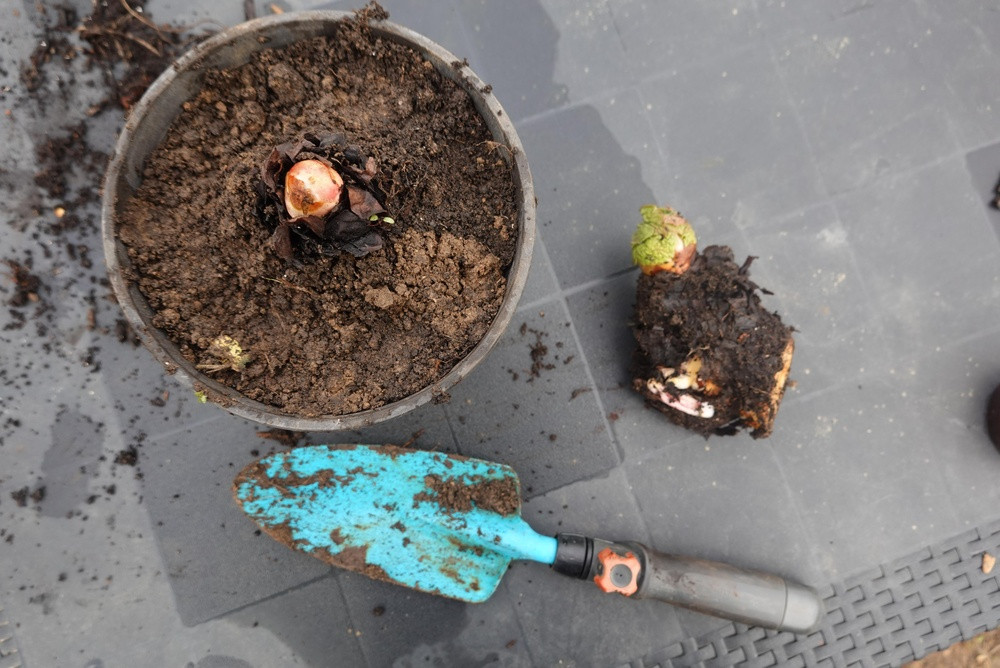
- Moisture: Water lightly once upon potting. Keep the growing medium barely damp throughout the cycle—excess water in cold conditions induces crown rot.
- Total Darkness: Relocate the container to a light-sealed environment such as a cellar, garage, darkened shed, or beneath greenhouse staging cloaked in thick black polythene.
- Temperature: Maintain an ambient temperature between 10°C and 16°C (50°F to 60°F).
The Science of "Forced" Stems
Deprived of light, the crown cannot produce chlorophyll. The emerging stalks stretch rapidly in search of sunlight (etiolation), drawing purely on accumulated sugars inside the rhizome. The resulting stalks are pale crimson, tender, thin-skinned, and significantly less acidic than standard outdoor-grown rhubarb, requiring far less sugar when cooked.
The Exhaustion Rule: Protecting Your Perennial Beds
Forcing demands an immense physiological expenditure. Because the plant produces leaves in complete darkness, it cannot photosynthesize to replenish its reserves. Once harvest concludes:
- Commercial / High-Yield Approach: The exhausted root ball is spent and directly composted.
- Home Allotment / Sustainable Approach: Plant the exhausted crown back into outdoor beds in spring. Strip any remaining weak leaves, mulch heavily, and allow a mandatory two-to-three-year recovery period without any harvesting.
Accidental double-forcing in consecutive seasons will kill mature crowns permanently.
Tracking Perennial Rotations in VegPlotter
Because rhubarb occupies permanent perennial beds for decades, tracking which specific crowns have undergone forcing is critical for bed longevity.
Recommended VegPlotter Crown Rotation Log
| Plant ID | Variety | Current Status | Action History & Schedule | Next Available Harvest |
|---|---|---|---|---|
| Crown #1 | Timperley Early | Active Outdoor | Standard outdoor cropping only; not forced. | Spring 2027 (Outdoor) |
| Crown #2 | Victoria | Forced Indoor | Lifted Nov 2026; replant Spring 2027. Full rest cycle. | November 2029 |
| Crown #3 | Champagne | Maturing | Undisturbed growth; building storage reserves. | Nov 2027 (Scheduled Forcing) |
Using VegPlotter’s bed notes and perennial layout tools, assign distinct identifiers to individual crowns within your row. Add a dated status note directly to the plot layout:
"Crown #2 lifted for forcing November 2026. Replant Spring 2027. Full rest cycle — do not crop or force until November 2029."
Maintaining an accurate multi-year digital map prevents mistaken harvesting, preserves root vitality across the entire perennial bed, and keeps a predictable rotation of winter-forced rhubarb on your table year after year.