Nightmare on Bed Three: Avoid the Vegetable Garden Curse
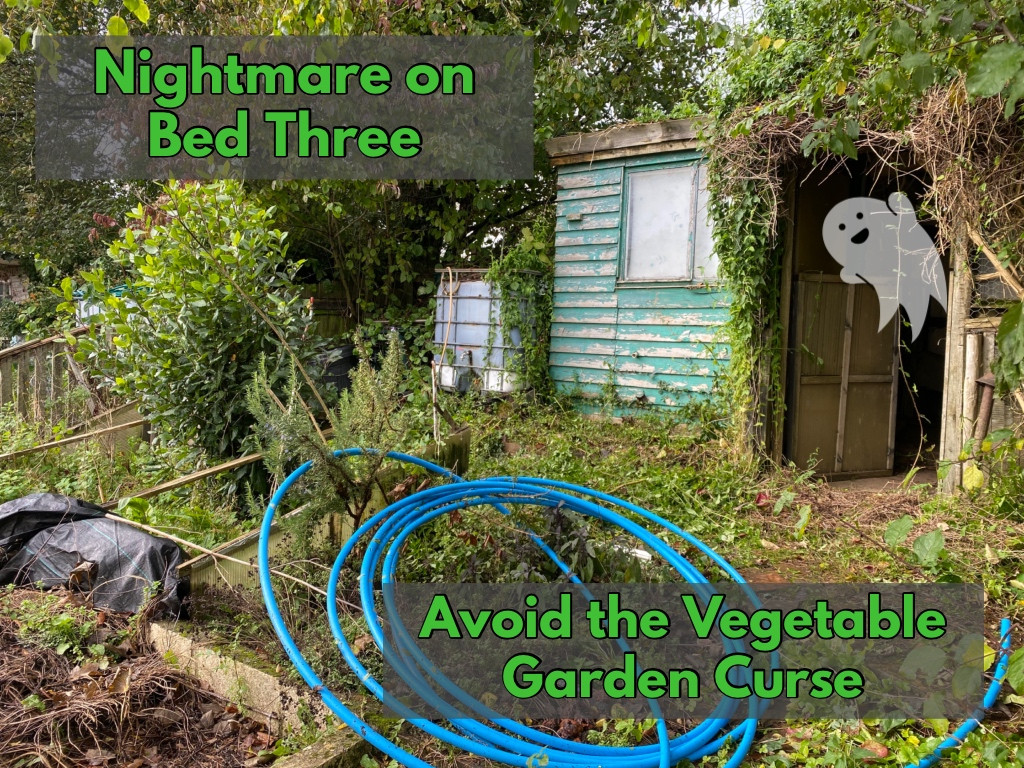
Halloween is here, and while the shops are packed with plastic skeletons and carved pumpkins, experienced growers know where the genuine terror lives: just beneath the surface of the soil.
As late autumn sets in and beds are cleared for winter, it’s tempting to daydream about next year's harvest without looking back. But ignoring what grew where this past season is the fastest way to summon a real gardener's nightmare. When the same botanical families occupy identical ground year after year, the earth doesn't just tire out—it turns hostile.
The Monsters Lurking in the Dirt
Soil-borne pathogens and pests don't pack up and leave when the season ends; they overwinter, multiply, and wait for their favorite hosts to return.
- Clubroot (Plasmodiophora brassicae): A brassica grower's worst haunting. This insidious slime mold infects the root systems of cabbages, kale, and broccoli, transforming healthy roots into swollen, distorted galls. Once established, clubroot spores can survive dormant in the soil for up to 20 years.
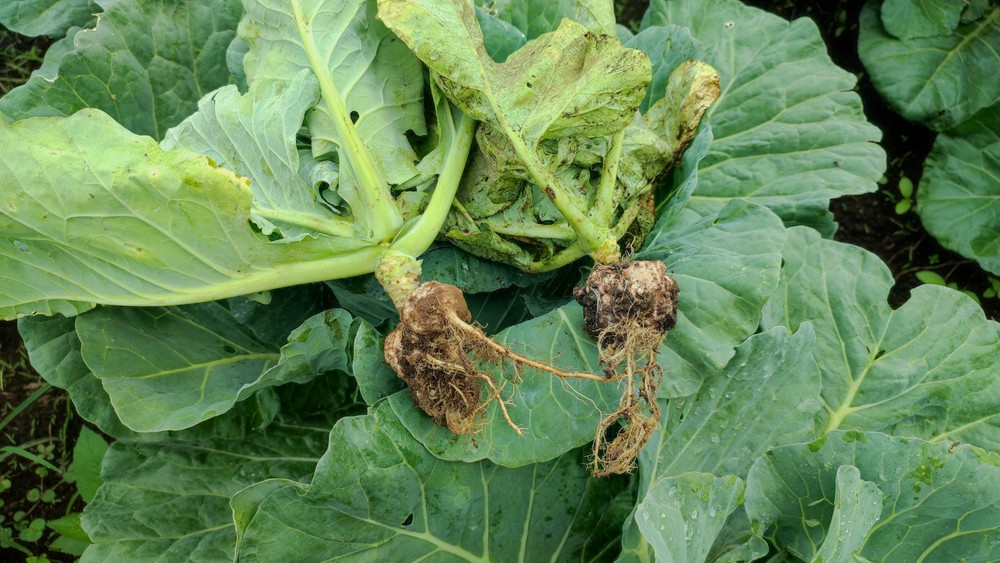
Plants infected by clubroot are stunted, wilt easily and may have yellowing leaves
-
Potato and Tomato Blight (Phytophthora infestans): While airborne spores catch headlines in damp summer weather, volunteer "groundkeeper" tubers left behind harbor blight mycelium straight through winter, setting an ambush for next season’s spuds.
-
Onion White Rot (Stromatinia cepivora): The ultimate allium curse. Producing tiny, poppy-seed-like sclerotia, this fungal pathogen causes leaves to yellow and root systems to rot away into a fluffy white mass. It remains viable in garden soil for well over a decade without a host.
Beyond fungal fiends, repeated single-crop plantings deplete specific soil nutrients at identical depths while encouraging pest populations—like brassica flea beetles, root fly larvae, and carrot rust flies—to explode.
Breaking the Curse: The 4-Year Rotation Cycle
The antidote to these subterranean horrors isn't sorcery—it's crop rotation. By grouping vegetables into biological families and moving them sequentially through dedicated plots, you starve specific pests, disrupt pathogen life cycles, and balance soil nutrient demands.
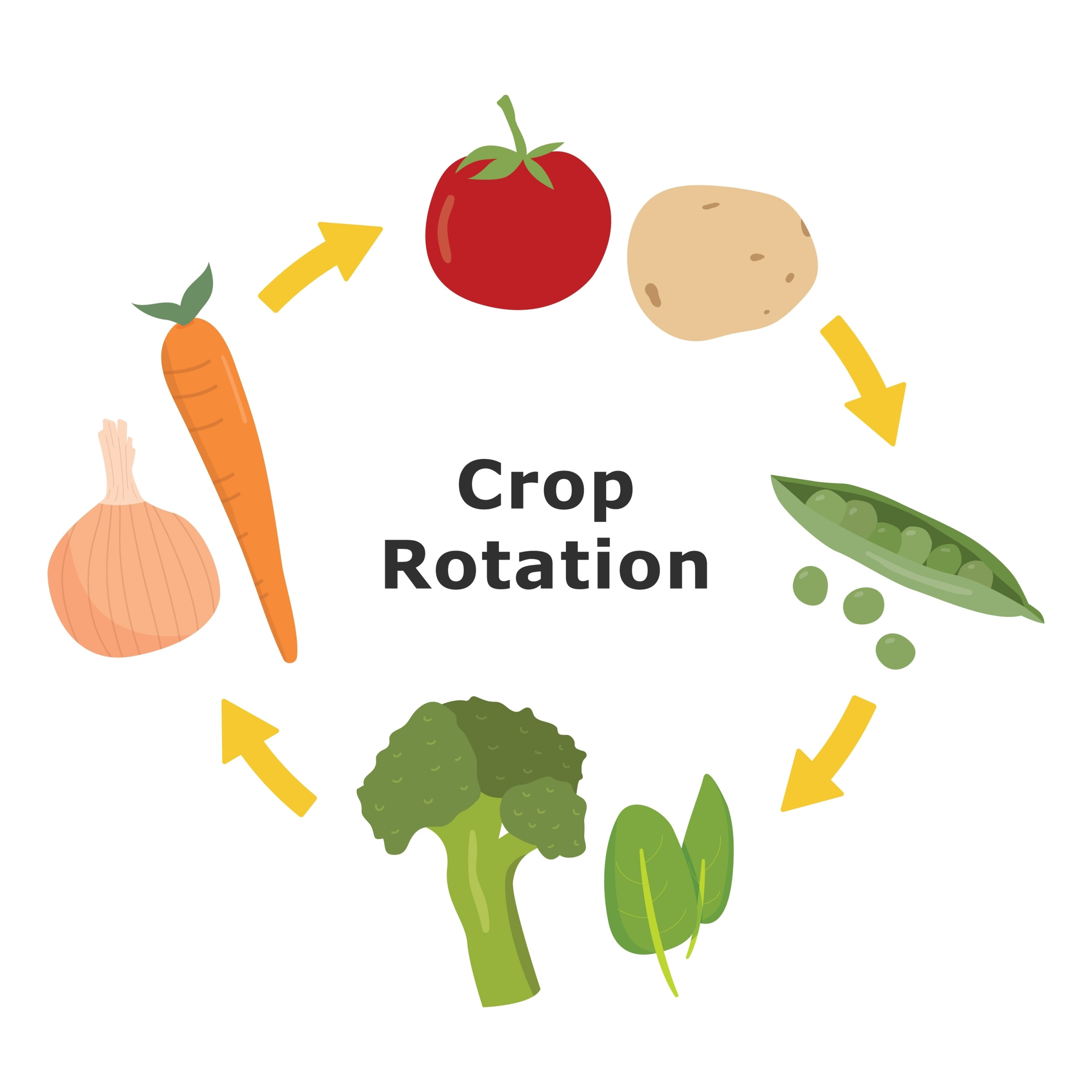
A classic four-year cycle divides your growing space into distinct family quarters:
| Bed / Plot | Family Group | Key Crops | Soil & Nutrient Role |
|---|---|---|---|
| Year 1 | Legumes & Sweetcorn | Peas, broad beans, runner beans | Fixes atmospheric nitrogen into the root zone via symbiotic bacteria. |
| Year 2 | Brassicas | Cabbage, kale, broccoli, Brussels sprouts | Heavy nitrogen feeders; thrive on the reserves left behind by legumes. |
| Year 3 | Alliums & Roots | Onions, garlic, leeks, carrots, parsnips | Prefer light, un-manured soil to prevent root forking; clean up remaining nutrients. |
| Year 4 | Solanaceae & Cucurbits | Potatoes, tomatoes, squash, courgettes | Heavy feeders requiring rich organic compost; preps bed for the next cycle. |
Taking the Horror Out of Record Keeping
The theory is simple, but execution is where many gardeners stumble. Muddy paper notebooks get lost, weathered markers fade, and trying to decipher whether bed three held leeks or parsnips three years ago is enough to induce a headache.
This is where VegPlotter changes the game.
Instead of juggling sketches and faded planting diaries, VegPlotter turns crop rotation into an effortless, visual process:
- Visual History: Every bed, border, and planting block is saved digitally year by year.
- Automated Rotation Warnings: As you drag and drop your 2027 crops onto your layout, VegPlotter’s built-in intelligence checks your plot's planting history. If you accidentally place potatoes where tomatoes grew last summer, or position cabbage over an old brassica patch, the software flags an instant visual warning before a single seed touches the ground.
- Effortless Planning: Adjust bed shapes, test companion planting layouts, and experiment with spatial designs without ever losing track of plant family rules.
Don't let your 2027 garden become a horror story. Log in to VegPlotter today to map out a safe, productive rotation plan—and keep the monsters out of your beds for good.