Designing a Modern Herb Garden: The Ultimate Guide
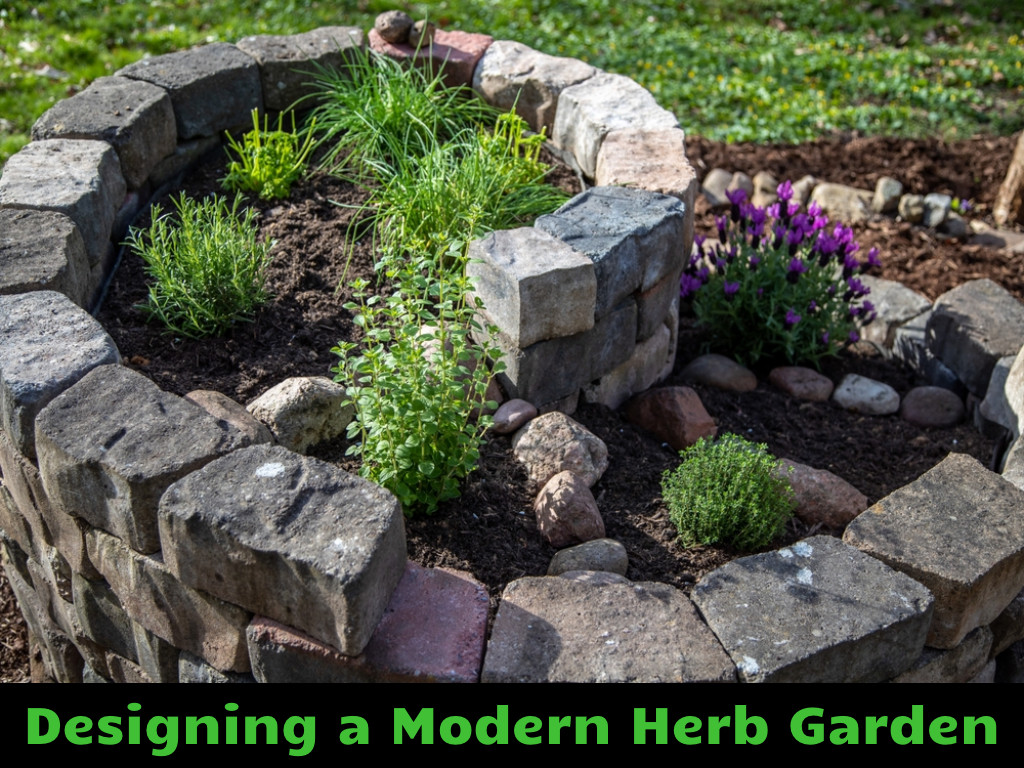
Designing a herb garden in 2026 is an exercise in climate resilience, sustainability, and sensory architecture. As the gardening landscape shifts towards "naturalistic chaos" and a strict "no-peat" policy, your herb garden should be more than a utility—it should be a self-sustaining ecosystem.
VegPlotter helps gardeners navigate these modern trends by focusing on companion planting and sustainable material selection. Here is how to create a high-performance herb garden that looks as good as it tastes.
Sustainable Material Trends: The Modern Hardscape
The current shift in garden design is away from "polished" minimalist aesthetics and toward textured, reclaimed materials that support local biodiversity and handle increasingly frequent heatwaves.
- Reclaimed Clay Pavers: Perfect for Mediterranean herb beds. They absorb solar heat during the day and radiate it back at night, protecting tender herbs from sudden temperature dips.
- Woven Willow & Hazel Hurdles: These provide a soft, organic windbreak that protects delicate herbs like Coriander from drying out while allowing air circulation to prevent mildew.
- Porous Paving & Gravel: Rather than solid concrete, modern designs use "punctured" or permeable surfaces. This allows heavy rainfall to soak directly into the ground, reducing runoff.
- Corten Steel Raised Beds: A favorite for its longevity and "burnt terracotta" aesthetic that matches a natural color palette of amber, ochre, and deep olive.
Top 10 Herbs: A Deep Dive into Companionship
To succeed in a modern garden, you must plant in "guilds"—groups of plants that actively help one another. Here is your herb roster with their ideal companions.
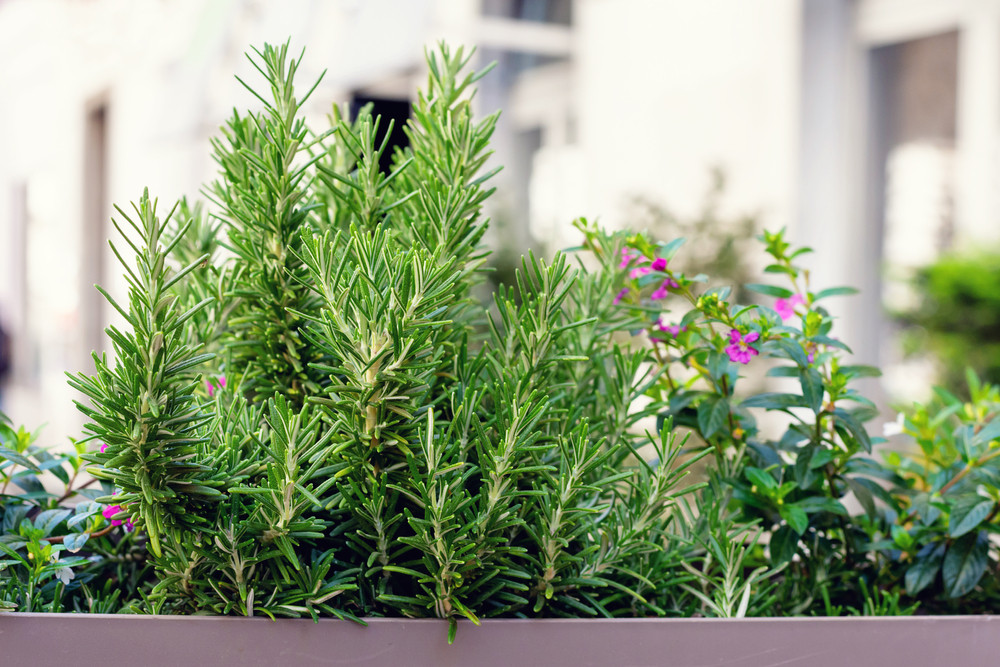
1. Rosemary (Salvia rosmarinus)
- Benefits: Improves cognitive function; essential for roasted dishes.
- Growth: Loves full sun and gritty, alkaline soil.
- Companions: Sage and Lavender. These three share the same "dry-loving" DNA. Rosemary also protects Beans from bean beetles.
2. Lavender (Lavandula)
- Benefits: Medicinal for anxiety and sleep; culinary for floral syrups.
- Growth: Needs sharp drainage; hates wet winter roots.
- Companions: Oregano and Thyme. Lavender acts as a "pollinator magnet," drawing bees that will then visit your neighboring herb flowers.
3. Basil (Ocimum basilicum)
- Benefits: High in Vitamin K; the soul of Italian cuisine.
- Growth: A "heat-seeker" that requires rich, moist soil.
- Companions: Tomatoes and Oregano. Basil improves the flavor of tomatoes while repelling the aphids that target them.
4. Thyme (Thymus vulgaris)
- Benefits: Potent antiseptic; great for winter infusions.
- Growth: Low-growing groundcover that thrives in cracks between clay pavers.
- Companions: Roses and Strawberries. Thyme’s strong scent confuses pests like blackfly that usually target ornamental roses.
5. Mint (Mentha)
- Benefits: Digestive aid; refreshes the palate.
- Growth: Extremely invasive. The trend is growing mint in oversized architectural pots to contain its roots.
- Companions: Cabbage and Peas. Mint repels flea beetles, but keep it in a pot next to them so it doesn't take over.
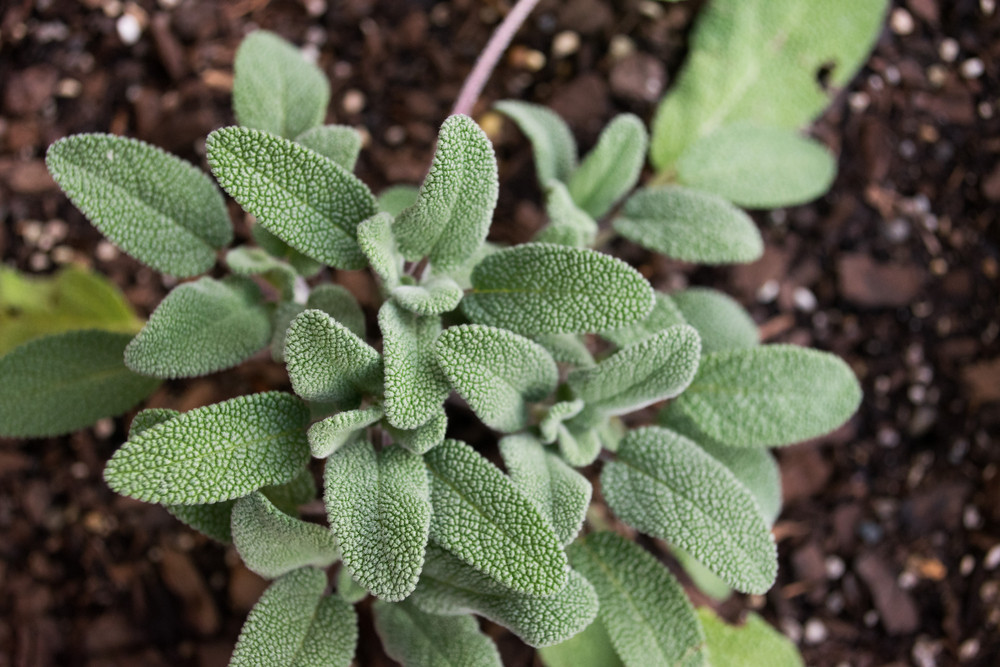
6. Sage (Salvia officinalis)
- Benefits: Menopausal support; anti-inflammatory properties.
- Growth: Woody perennial that loves a sunny, sheltered spot.
- Companions: Rosemary and Carrots. Sage deters carrot fly, making it a functional bodyguard for root vegetables.
7. Chives (Allium schoenoprasum)
- Benefits: Mild stimulant; rich in sulfur for heart health.
- Growth: Hardy and reliable; likes a bit more moisture than rosemary.
- Companions: Apples and Carrots. Planting chives at the base of apple trees helps prevent apple scab.
8. Coriander (Coriandrum sativum)
- Benefits: Detoxifies heavy metals; seeds aid digestion.
- Growth: Prone to "bolting" in the heat. Plant in the partial shade of taller plants.
- Companions: Dill and Spinach. Dill and Coriander grow well together as they attract hoverflies, which eat the aphids on your spinach.
9. Lemon Balm (Melissa officinalis)
- Benefits: Antiviral properties; perfect for a "wellbeing garden" tea.
- Growth: Very hardy; thrives in partial shade where other herbs struggle.
- Companions: Squash and Melons. It attracts bees for better fruit pollination and its scent keeps gnats away.
10. Oregano (Origanum vulgare)
- Benefits: Nature’s antibiotic; high antioxidant levels.
- Growth: Thrives in poor, rocky soil.
- Companions: Basil and Peppers. Oregano provides a "living mulch" groundcover that keeps the soil cool for pepper plants.
What to Fill Your Garden With? The Peat-Free Standard
As major retailers have moved to 100% Peat-Free operations, getting your soil mix right is essential:
- The Base: Use a high-quality peat-free compost made from composted bark fines and wood fiber.
- The Drainage: For Mediterranean herbs, mix in 30% horticultural grit or perlite to ensure roots can breathe even after heavy rain.
- The "Slow-Release" Trick: Peat-free mixes can lose nutrients faster. Savvy gardeners add Biochar or Sheep’s Wool pellets to hold onto moisture and nitrogen.
- Hügelkultur Layers: If you are building deep raised beds, fill the bottom 40% with logs, sticks, and dried leaves. This creates a "sponge" that feeds your herbs from below as it decays.
Visualize Your Plot
Designing a garden with so many companions can be complex. VegPlotter’s Garden Planner allows you plan and adapt how your herb garden would look. Try it now!