Elevate Your Gardening: The Ultimate Guide to Making Raised Beds
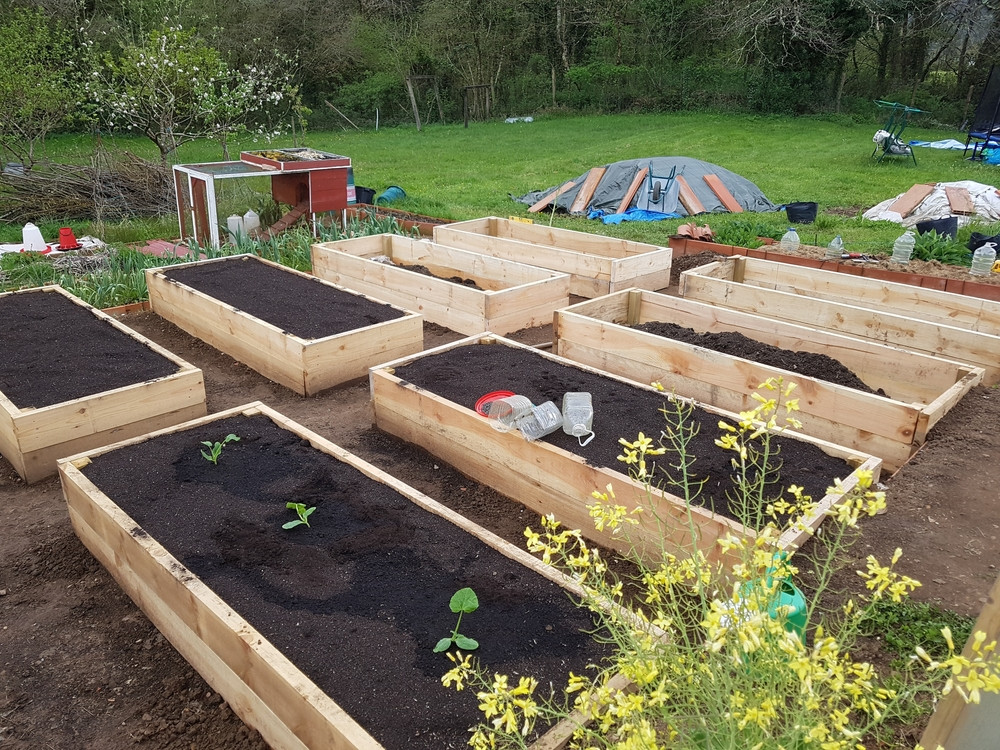
Welcome to 2026, where the "Grow Your Own" movement has evolved from a simple hobby into a sustainable lifestyle. Whether you're working with a sprawling allotment or a compact backyard garden, raised beds remain the gold standard for productive, healthy growing.
At VegPlotter, we’ve seen how a well-constructed raised bed can transform even the smallest outdoor space. In this guide, we’ll dive into why they are essential this year, how to build one yourself, and the best ways to fill them for a bumper harvest.
5 Game-Changing Benefits of Raised Beds in 2026
If you’re still on the fence about elevating your soil, here are five reasons why raised beds are a must-have for your vegetable garden:
-
Extended Growing Seasons: In 2026, we’re seeing more unpredictable spring temperatures. Raised bed soil warms up significantly faster than the ground, allowing you to sow seeds up to three weeks earlier. In the context of 2026's unpredictable weather patterns, the "3-Week Rule" has become a cornerstone of resilient backyard gardening. It refers to the physical advantage raised beds have over traditional in-ground rows, effectively allowing you to "cheat" the local climate. We examine this further below.
-
Superior Drainage & Aeration: Climate resilience is key. Raised beds prevent waterlogging during heavy downpours and stop soil compaction because you never need to step on the growing area.
-
Perfect Soil Control: No more fighting with heavy clay or stony ground. You choose exactly what goes into your bed, ensuring your vegetables have the nutrient-rich environment they crave.
-
Ergonomic Gardening: Save your back! By building beds to a comfortable height (typically 45cm to 60cm), you reduce bending and make gardening accessible for everyone.
-
Pest & Weed Management: Height acts as a natural barrier against slugs and rabbits. Plus, the defined edges make it much harder for creeping weeds like couch grass to invade your sanctuary.
The Science: Thermal Mass & Drainage
The "3-Week Rule" is rooted in two primary physical factors: ambient aeration and thermal insulation.
1. Rapid Soil Warming
Standard garden soil is a massive, cold thermal sink. In early spring, the ground retains the deep chill of winter long after the air has warmed up.
- The Difference: Because a raised bed sits above the frost line, the sun strikes the sides of the bed as well as the top.
- The Result: This increased surface area allows the soil to reach the "germination threshold" up to 21 days sooner than the compacted earth below.
2. The "Dry Feet" Advantage
Wet soil is cold soil. Spring rains often leave backyard gardens waterlogged, and water takes significantly more energy to heat up than air.
- The Logic: Raised beds use gravity to pull excess moisture away from the root zone.
- The Result: Drier soil particles warm up rapidly under the spring sun, preventing the "refrigerator effect" that happens in soggy, low-lying ground.
How to Apply the Rule in 2026
To successfully "cheat" the frost and gain those three weeks, you can't just build the bed; you have to manage it:
-
The "Black Out" Technique: Two weeks before your target planting date, cover your raised bed with a layer of black horticultural fleece or reused dark plastic. This traps the solar gain, supercharging the warming process.
-
Edge Insulation: For those using brick or masonry, the material acts as a storage heater. It absorbs UV energy during the day and radiates it back into the soil at night, protecting delicate seedlings from late-night "snap" frosts.
-
Strategic Sowing: Use your 3-week head start for "cool-season" superstars. While your neighbors are waiting for their soil to dry out, you can already have broad beans, spinach, and early-variety carrots established.
How to Build a Wooden Raised Bed: A Step-by-Step Guide
Wood remains the most popular choice for an allotment or backyard garden due to its natural aesthetics, cost, and ease of assembly. For 2026, we recommend using sustainable, untreated hardwoods like Larch or Cedar, or FSC-certified pressure-treated timber.
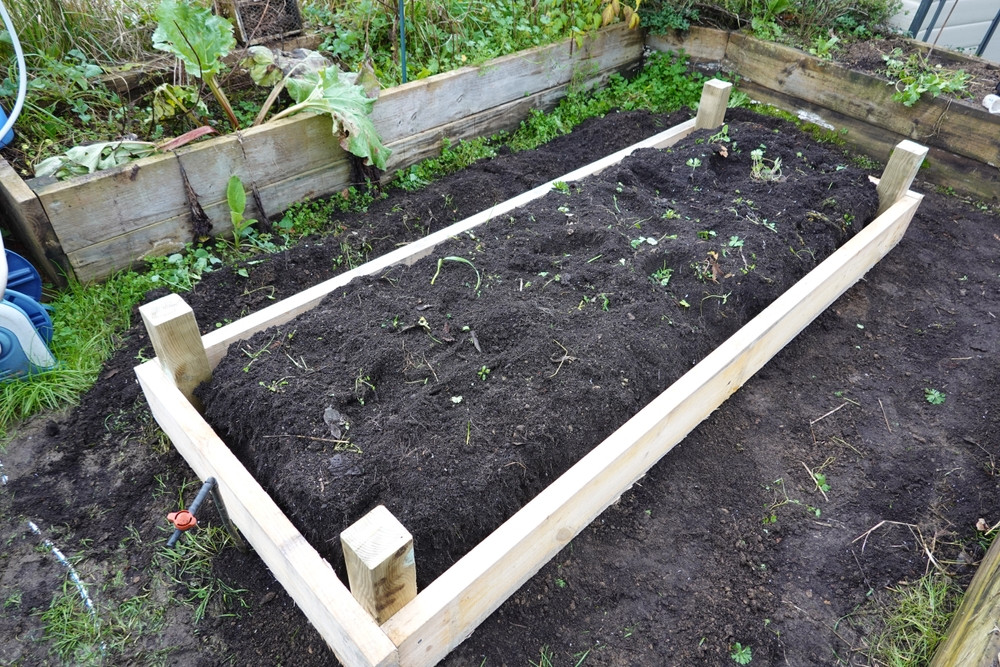
What You’ll Need:
- Timber: Four lengths (e.g., 2.4m for sides) and four shorter lengths (e.g., 1.2m for ends).
- Corner Posts: 4x4 inch wooden stakes to provide internal structure.
- Fixings: 100mm exterior-grade wood screws (stainless steel or coated to prevent rust).
- Tools: Drill, spirit level, and a mallet.
The Build Process:
- Prep the Ground: Clear any large weeds. If building on grass, lay down cardboard to suppress growth—it will safely decompose and add carbon to the soil.
- Construct the Frame: Lay your boards out. Position the corner posts on the inside of the corners.
- Secure the Sides: Drill pilot holes through the boards into the posts. This prevents the wood from splitting. Screw the boards firmly to the posts.
- Level Up: Place your frame in its permanent home. Use a spirit level to ensure it's flat; this prevents water from pooling at one end.
- Check for Square: Measure diagonally from corner to corner. If the measurements match, your bed is perfectly square!
What Are The Alternatives To Wood?
Choosing the right material for your vegetable garden isn't just about price—it’s about longevity and climate resilience. Here’s how the top contenders stack up in 2026:
1. Sustainable Timber (5–12 Years)
The classic choice for DIY builds.
- Pros: Natural look, low soil-overheating risk, and biodegradable.
- 2026 Strategy: Skip the chemicals. Use Larch or Cedar for natural rot resistance.
- Best For: Gardeners who like to evolve their layout over time.
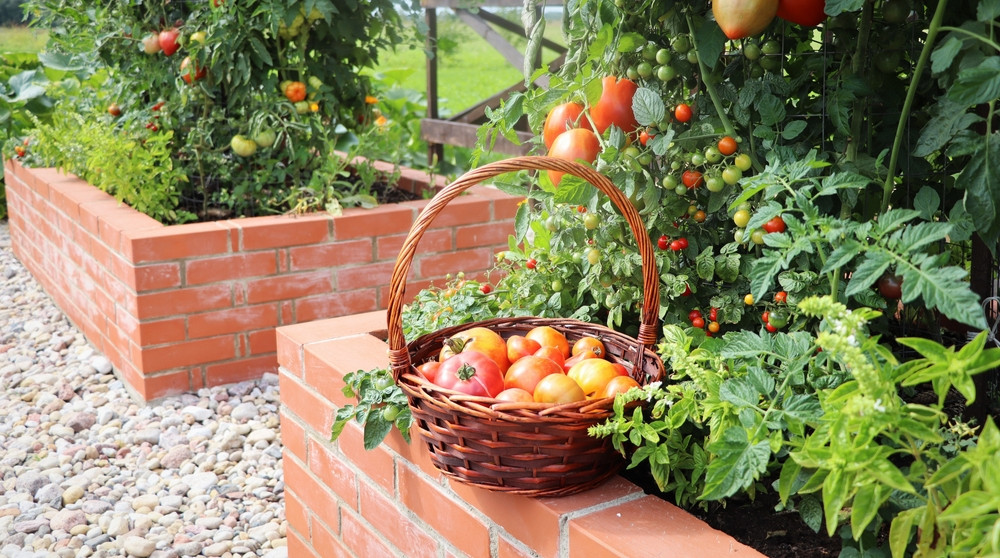
2. Reclaimed Brick (50+ Years)
The ultimate "forever" bed.
- Pros: Unbeatable durability and high thermal mass. Bricks act as a battery, soaking up sun during the day and warming your soil through chilly nights.
- 2026 Strategy: Use lime mortar to ensure the structure is breathable and easy to repair.
- Best For: Permanent structures and heat-loving crops like tomatoes.
3. Aluzinc & Metal (25+ Years)
The modern, "set-and-forget" solution.
- Pros: Unlike wood, Aluzinc (Aluminum + Zinc) won’t rot, warp, or crack. It’s incredibly thin, maximizing your actual growing space.
- 2026 Strategy: Opt for modular kits that allow you to expand your garden as your skills grow.
- Best For: Sleek, urban backyard gardens where space is at a premium.
At a Glance: Comparison Table
| Material | Longevity | Thermal Benefit | Eco-Score |
|---|---|---|---|
| Untreated Hardwood | 10 Years | Neutral | High (Renewable) |
| Reclaimed Brick | 50+ Years | High (Retains Heat) | Very High (Circular) |
| Aluzinc Steel | 25+ Years | Reflects Heat | Medium (Recyclable) |
What to Fill Your Raised Bed With?
In 2026, the savvy backyard gardener knows that "buying bulk" often means buying trouble. Traditional bulk topsoil is frequently "tired," stripped of microbial life, and can even introduce persistent weed seeds or contaminants into your pristine beds.
Instead, the gold standard is Layering (often called the Lasagna or Hugelkultur method). Here is why you should ditch the dump truck and start building your soil from the bottom up.
1. Cost Efficiency & Waste Reduction
Filling a large raised bed with premium topsoil can be incredibly expensive. Layering allows you to use free, organic materials you already have. By using logs, sticks, and garden waste at the bottom, you can reduce the amount of expensive compost needed by up to 60%.
2. Built-in "Slow-Release" Fertilization
Topsoil is a static medium; it only has the nutrients it comes with. Layering creates a living battery. As the organic materials at the bottom (like wood and leaves) break down over months and years, they release a steady stream of nitrogen, phosphorus, and potassium directly to the roots.
3. Superior Moisture Management
In the unpredictable heat of 2026, soil moisture is everything.
- The Sponge Effect: A base layer of rotting wood (Hugelkultur) acts as a giant underground sponge, soaking up winter rain and releasing it during summer droughts.
- Prevention of "Perched Water Tables": Unlike uniform bulk soil, a layered system improves vertical drainage, preventing the "boggy bottom" syndrome that kills root systems.
4. Carbon Sequestration
By burying woody debris and organic matter in your raised beds rather than burning it or sending it to a landfill, you are physically locking carbon into the ground. It’s a small-scale climate solution right in your backyard garden.
The "Perfect 2026" Layering Blueprint
To get the best results, follow this bottom-to-top hierarchy:
- Base Layer (The Foundation): Cardboard (to kill weeds) topped with thick logs or branches. This provides long-term structure.
- The "Fuel" Layer: A thick layer of fallen leaves, grass clippings, or spent vegetable plants.
- The "Filter" Layer: A thin layer of straw or partially finished compost to stop the fine soil from washing down into the gaps.
- The Growing Zone (Top 25-30cm): A high-quality, peat-free compost mixed with a little loam. This is the only part your seeds will touch in year one.