Drought-Proof Your Vegetable Patch: Water Triage, Early Harvesting & Rain Preparation
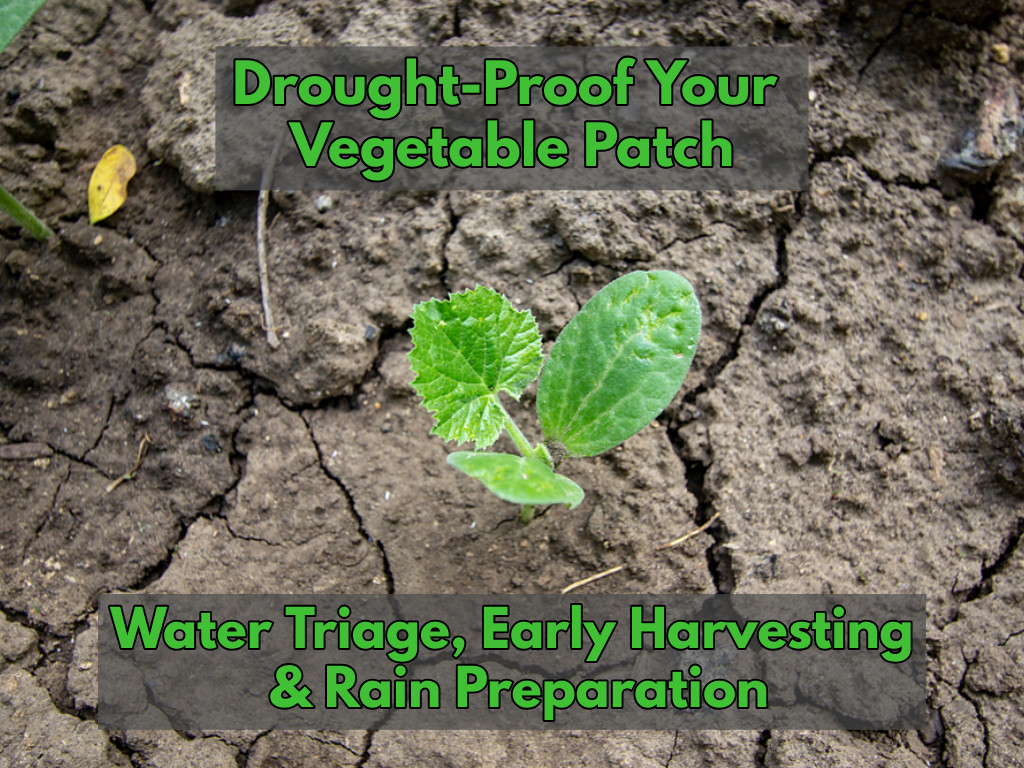
Extended dry spells can turn even the most organized allotment or kitchen garden into a high-stress zone. When rain barrels run low and hosepipe bans kick in, deciding which crops receive your limited watering cans becomes an exercise in garden triage.
Fortunately, plants respond to heat and water stress in wildly different ways. By organizing your plot based on plant physiology, harvesting early to cut soil moisture loss, and preparing baked soil before rain arrives, you can guide your garden through extreme dry weather unharmed—without relying on a running tap.
Here is your comprehensive, expert guide to managing a drought on the vegetable plot.
1. Vegetable Water Requirements: The Master Triage Guide
When water is strictly limited, uniform watering is a waste of resources. Grouping crops by their water dependency helps you deliver moisture directly where it impacts your harvest yield.
| Water Priority Level | Key Vegetable Crops | Horticultural Impact & Watering Strategy |
|---|---|---|
| High Priority (Severe risk of crop failure) | Cucumbers, Zucchini, Tomatoes, Leafy Greens (Lettuce, Spinach), Brassicas (Cabbage, Broccoli, Cauliflower) | High Water Content & Shallow Roots: Cucumbers become bitter under drought stress, tomatoes develop blossom end rot, and leafy greens quickly bolt to seed. Keep these consistently damp. |
| Medium Priority (Critical during specific growth stages) | Beans (Runner, French, Broad), Peas, Sweetcorn, Onions, Garlic | Stage-Dependent Demand: These crops require deep watering primarily during flowering and pod/ear setup. Once established, they survive on infrequent, deep soakings. |
| Low Priority (Drought-resilient survivors) | Carrots, Parsnips, Beetroot, Sweet Potatoes, Winter Squash, Mediterranean Herbs (Rosemary, Thyme) | Deep Taproots & Waxy Leaves: Deep roots reach subsoil moisture stores. Growth may pause during peak drought, but plants recover quickly when moisture returns. |
The Water Requirement Spectrum
- High Priority (Frequent Watering): Greens, Brassicas, Cucurbits (cucumbers & zucchini)
- Medium Priority (Targeted Stage Watering): Beans, Peas, Sweetcorn, Onions
- Low Priority (Resilient Survivors): Taproots, Mediterranean Herbs, Winter Squash
VegPlotter Layout Tip: Group high-priority water users together in your digital plot layout. Creating dedicated "hydro-zones" makes targeting your watering cans or gravity-fed irrigation systems drastically more efficient.
2. Early Harvest Tactics to Conserve Subsoil Moisture
Every leafy plant in your garden acts as a pump, pulling moisture up through its roots and evaporating it into the air via transpiration. Harvesting crops early serves as a powerful moisture-conservation tactic.
Reduce Leaf Surface Area
Don't wait for lettuce, kale, or spinach to reach full maturity. Harvesting leaves at the baby-leaf stage dramatically reduces the surface area transpiring water into the hot air, preserving moisture right in the root zone.
Clear Root Beds Early
Pull tender baby carrots, early beetroot, and salad potatoes early. Clearing these beds stops maturing roots from drawing down deeper subsoil reserves, leaving that critical moisture intact for late-summer plantings.
Pick Summer Squash Small
Harvest zucchini and summer squash while they are small and tender. Allowing fruits to grow extra-large places immense metabolic strain on the main stem, forcing the plant to pull excessive amounts of water to fill the fruit cell walls.
Cover Harvested Soil Instantly
Leaving harvested beds bare in summer causes the topsoil to bake and crack, evaporating subsoil moisture within hours. Immediately cover cleared ground with organic mulch, landscape fabric, or cardboard.
3. Fixing Hydrophobic Soil Before the Storm Arrives
When a dry spell breaks, gardeners often expect instant relief. However, soil rich in dry organic matter develops a natural waxy coating when bone-dry, becoming hydrophobic (water-repellent). Heavy downpours on hydrophobic soil bounce off the surface and run into paths without reaching deep roots.
The 4-Step Rain Prep Process
- Step 1: Baked Crust - Lightly hoe or fork the top half-inch of baked soil.
- Step 2: Fractured Top - Apply a 2–3 inch protective mulch layer (straw, compost, or woodchips).
- Step 3: Sponge Layer - The mulch absorbs heavy rainfall, preventing fast surface runoff.
- Step 4: Moist Root Zone - Water steadily soaks deep down into the primary root mass.
Proactive Measures to Take Before Rain
- Fracture the Surface Crust: Use a hand fork or Dutch hoe to lightly scratch the top half-inch of soil. Breaking up the hard, baked surface creates entry channels for rain, preventing surface runoff.
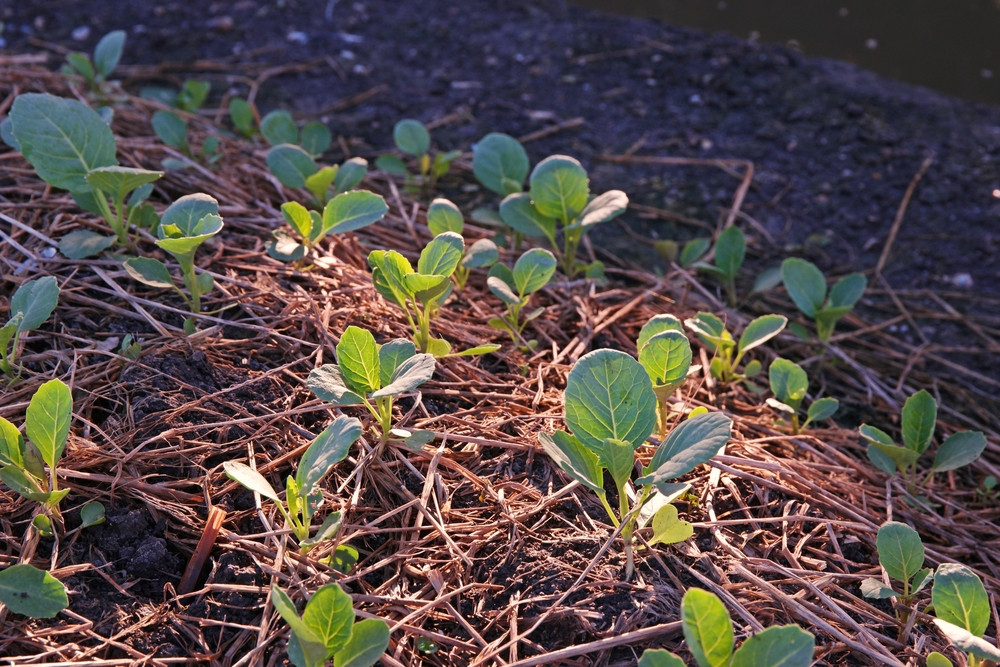
- Apply a Protective Mulch Layer: Spread 2–3 inches of straw, woodchips, or garden compost over dry beds. Mulch acts like a physical barrier—it absorbs the impact of heavy raindrops, slows down water flow, and holds moisture against the soil surface long enough to soak in.
- Form Water Basins Around Key Crops: Build small soil rings or earth "saucers" around heavy feeders like tomatoes, squashes, and brassicas. These basins catch rainfall and funnel it straight down into the primary root mass.
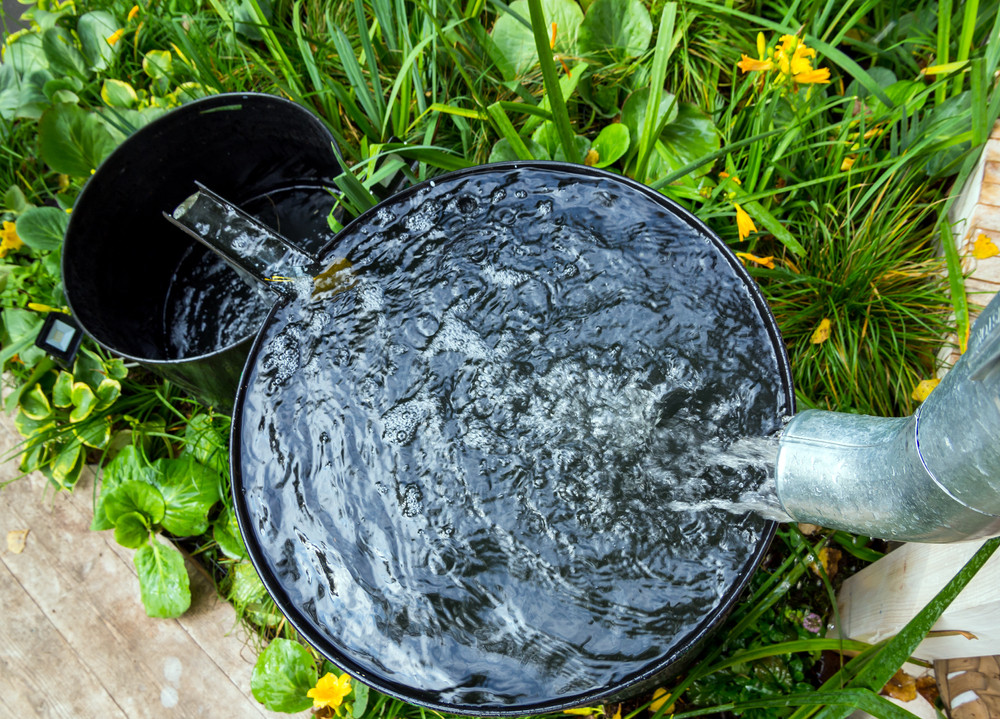
- Inspect Water Harvesting Gutters: Clear debris, dead leaves, and dust out of downspouts and rain barrel diverters before the storm hits to ensure maximum catchment efficiency.
4. Long-Term Plot Planning for Water Efficiency
Preparing for future heatwaves and dry seasons relies on smart plot layout and soil structure improvements:
- Boost Soil Organic Matter: Incorporating generous amounts of well-rotted manure or garden compost improves soil structure. Increasing soil organic carbon by just 1% significantly enhances the soil's water-holding capacity.
- Capitalize on Companion Shade: Plant tall, sun-hardy crops (such as sweetcorn, sunflowers, or climbing beans) on the south side of sensitive crops like lettuce and radish to create cool microclimates.
- Track Soil Building in VegPlotter: Use your digital garden planner to track which beds have received heavy compost applications each season. You can easily schedule your most water-sensitive crops in beds with the highest organic matter retention.
Frequently Asked Questions
When is the best time of day to hand-water during a drought?
Always water early in the morning. Morning irrigation allows plant roots to soak up moisture before the heat of the day causes rapid evaporation, while avoiding the overnight foliage dampness that can trigger fungal diseases.
How can I make every watering can go further during a hosepipe ban?
Pour water directly under a layer of mulch near the root zone rather than spraying foliage, which wastes water to evaporation. You can also bury unglazed terracotta pots (or empty upturned plastic water bottles with the bottom removed and a hole in the bottle top) next to heavy feeders-filling them with water allows slow, direct moisture release right at root depth.
Over to You!
How are you keeping your plot hydrated and productive through dry weather this season? Do you have any trusted water-saving hacks that work wonders on your soil type?
Head over to our community and let us know your best tips here: https://www.reddit.com/r/vegplotter/!