Organic Vegetable Gardening: A Beginner’s 5 Step Guide to Sustainable Growing
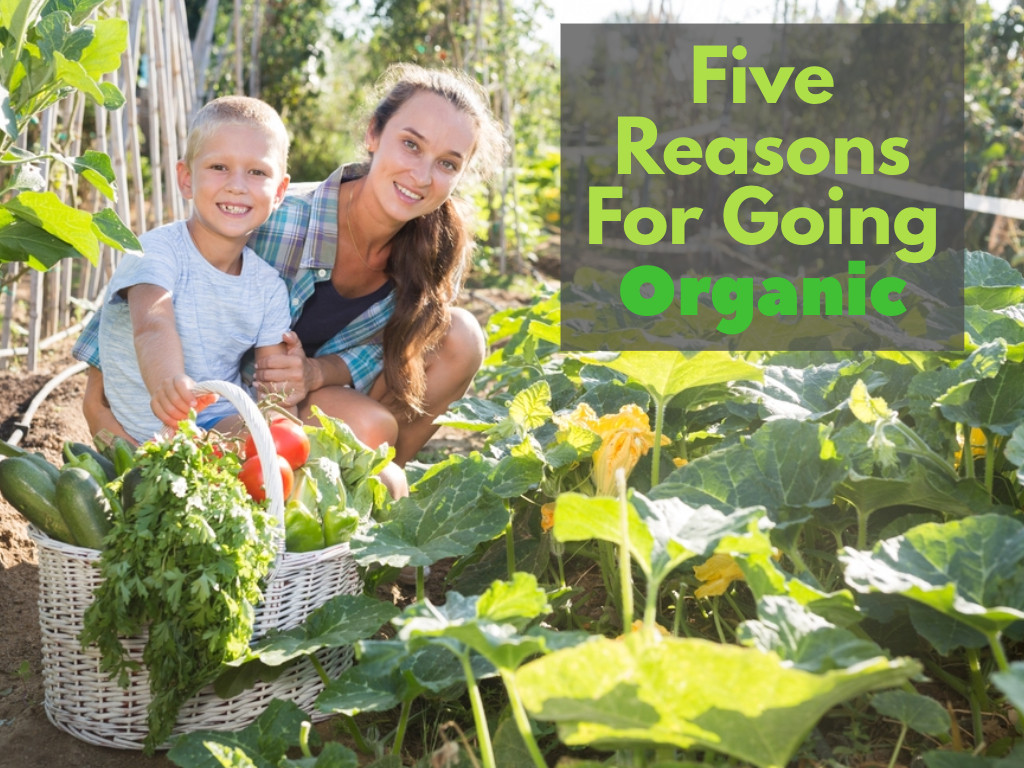
Organic vegetable gardening is a holistic method of growing food that relies on natural biological processes rather than synthetic chemicals. By prioritizing soil health and biodiversity, gardeners can produce nutrient-dense food while protecting the local ecosystem.
What is Organic Vegetable Gardening?
At its core, organic gardening means working with nature. It focuses on three primary pillars:
- Zero Synthetic Inputs: No chemical pesticides, herbicides, or artificial fertilizers.
- Soil Vitality: Using organic matter to create a self-sustaining nutrient cycle.
- Ecological Balance: Encouraging beneficial insects and microorganisms to manage pests naturally.
5 Key Benefits of Going Organic
Switching to organic methods provides immediate advantages for your health and the environment:
- Chemical-Free Produce: Eliminate synthetic residues on your food, ensuring your family consumes only natural nutrients.
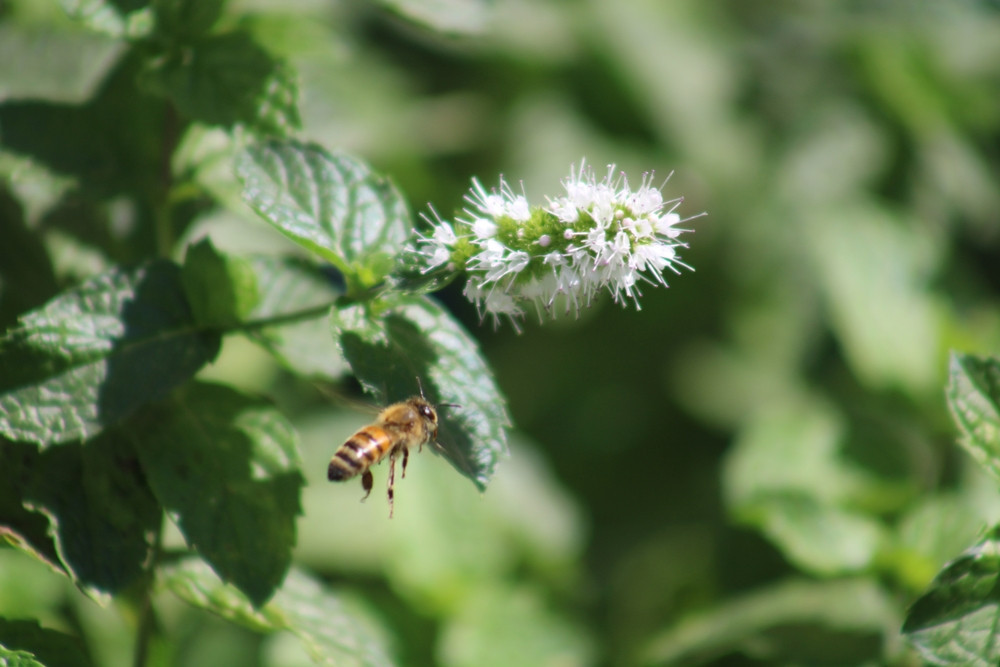
- Enhanced Biodiversity: By avoiding toxins, you create a sanctuary for pollinators (bees and butterflies) and predatory insects (ladybugs and lacewings) that act as natural pest control.
- Superior Soil Structure: Utilizing compost and organic fertilizers improves soil aeration, water retention, and microbial life.
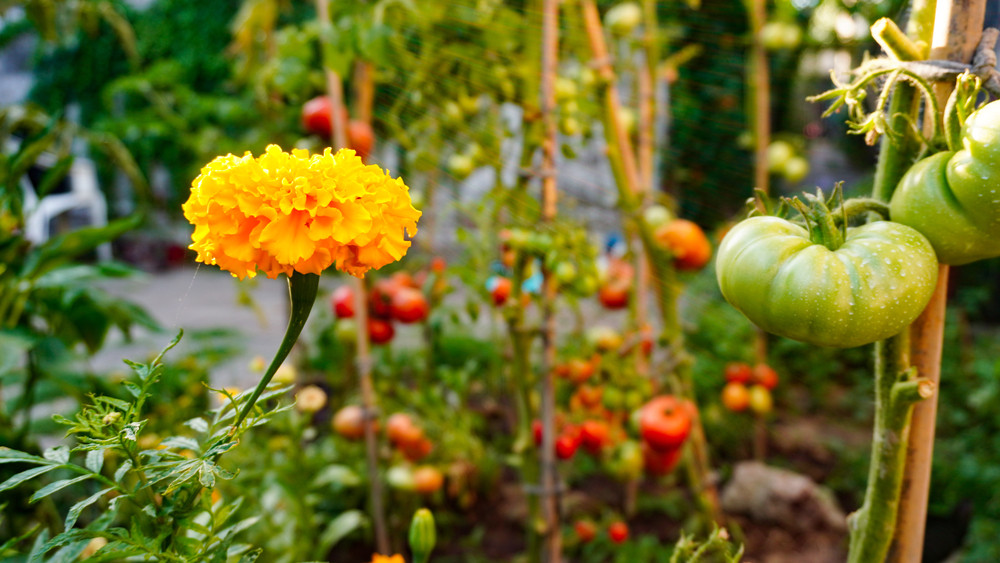
- Integrated Pest Management (IPM): Techniques like companion planting (e.g., planting marigolds to deter nematodes) create a resilient garden without the need for sprays.
- Environmental Sustainability: Organic practices prevent chemical runoff into local waterways and reduce the carbon footprint of your food.
Pro Tip: Healthy soil is the best defense. Plants grown in nutrient-rich organic soil develop stronger cell walls, making them naturally more resistant to disease.
Organic vs. Traditional Gardening: At a Glance
| Feature | Organic Gardening | Synthetic/Traditional |
|---|---|---|
| Fertilizer | Compost, Manure, Seaweed | Chemical NPK Pellets |
| Pest Control | Companion Planting, Beneficial Insects | Chemical Pesticides |
| Soil Health | Builds long-term fertility | Can deplete soil microbes over time |
| Speed | Slow-release, sustainable growth | Rapid, short-term growth bursts |
| Labor | Higher initial manual effort | Lower manual effort (chemical shortcuts) |
Challenges to Consider
While rewarding, the transition to organic gardening requires a shift in mindset:
- Patience: Organic fertilizers take time to break down and become available to plants.
- Observation: You must monitor your patch closely to catch pest outbreaks early.
- Initial Yields: You may see a slight dip in production during the first 1–2 seasons as the soil chemistry rebalances.
Start Your Organic Patch Today
Organic gardening isn't about perfection; it's about progress. By starting a compost pile or swapping one chemical spray for a natural deterrent, you are already contributing to a healthier planet.