Greenhouse Mastery: The Ultimate Guide To Thriving Plants
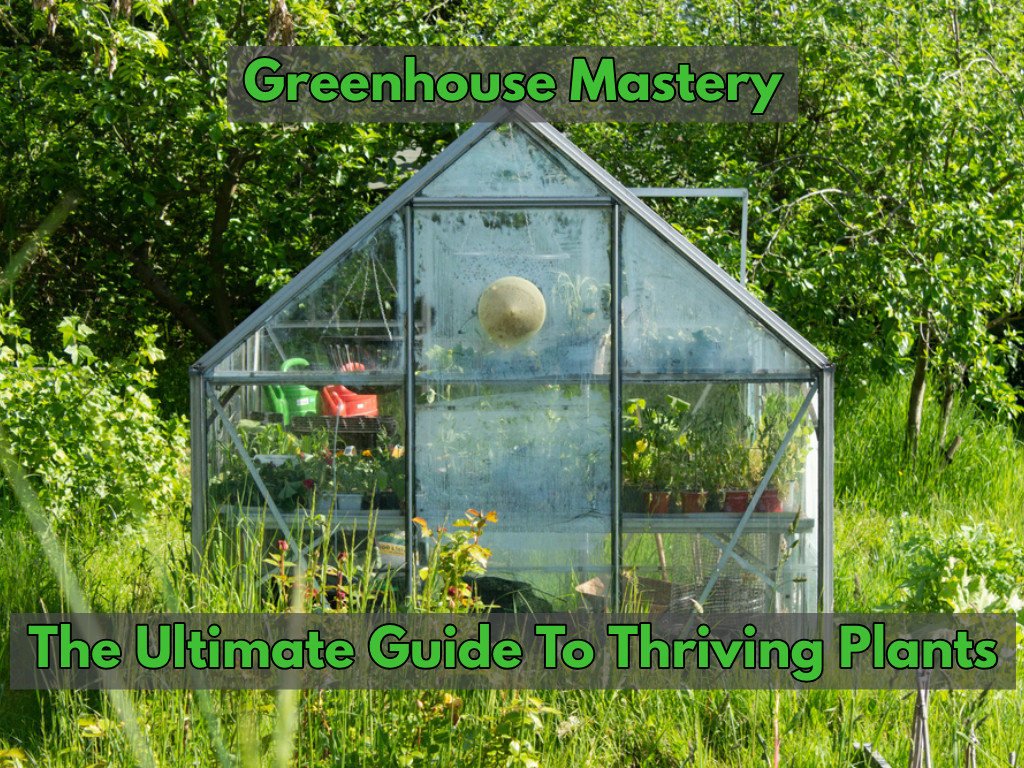
For the hobby gardener or allotment grower, a greenhouse is the ultimate tool. It’s where you start your seeds, extend your harvest, and experiment with crops that the local climate might otherwise reject. But when you’re managing a smaller, personal growing space, the stakes feel higher—you don't have a massive budget for chemical interventions, and you want your produce to be as organic and healthy as possible.
Managing a healthy, productive homestead greenhouse isn't about expensive equipment; it’s about observation, sanitation, and consistency. Here is your comprehensive guide to turning that glass-walled structure into a thriving sanctuary.
1. Sanitation: The Allotment Gardener’s Secret
In an allotment or garden setting, pests often travel on our boots or tools. Sanitation isn't just a chore; it’s your best form of pest control.
- The Winter Reset: The most important clean happens when the greenhouse is empty. Once you've cleared your summer crops, scrub the glass or plastic with warm, soapy water. This removes the algae and dust that block light, and it kills off the over-wintering eggs of whitefly and spider mites.
- Tool Hygiene: Keep a small container of rubbing alcohol wipes or a diluted disinfectant in your potting shed. Wipe down your secateurs and trowels after pruning diseased stems. It stops the spread of viral infections from one plant to another.
- The Soil-Free Rule: If you are growing in containers, avoid putting pots directly on the soil floor, which can harbor slugs and disease. Use gravel trays or benches to raise them up.
2. Airflow: Avoiding the Stagnant Trap
The biggest enemy of the home greenhouse gardener is stagnant, humid air. This is the perfect breeding ground for fungal issues like grey mold (Botrytis) and powdery mildew.
- Ventilation Hacks: Even on overcast days, crack the door or vents. If you have an allotment greenhouse, consider installing a simple, automatic vent opener—a wax-filled cylinder that expands in the heat, opening the window automatically without electricity.
- Active Circulation: If your greenhouse is prone to dampness, use a small, battery-operated, or solar-powered fan to keep the air moving. Even a gentle breeze helps strengthen stems and prevents mold spores from settling on your foliage.
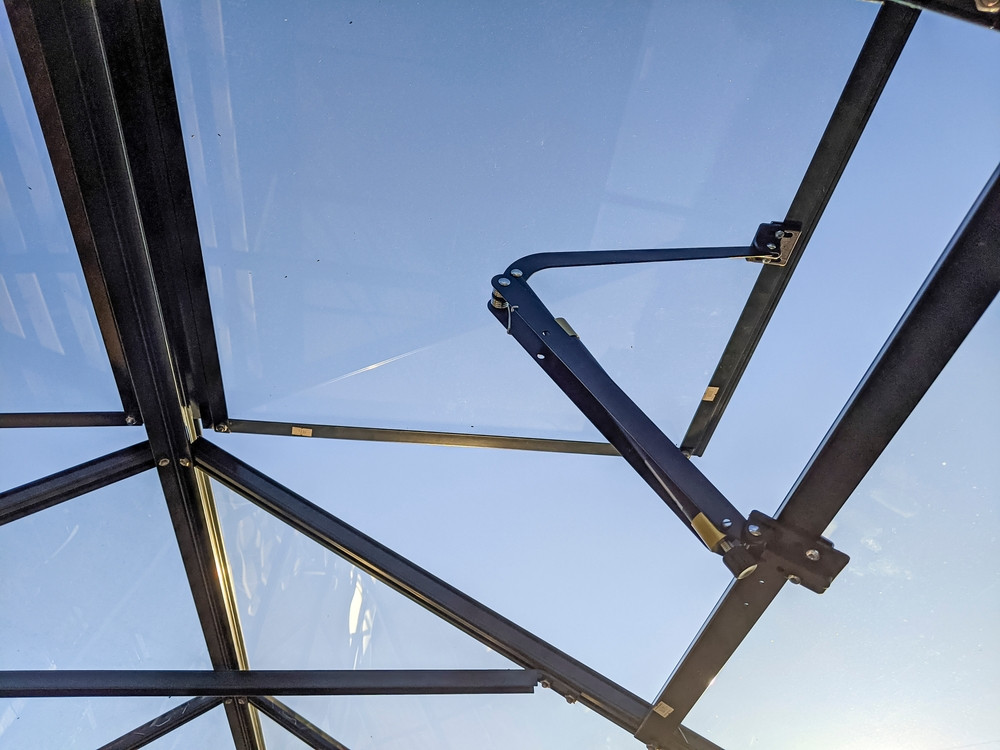
automatic openers
3. Integrated Pest Management (IPM)
When growing food for your family, you want to avoid harsh chemicals. A homestead approach uses "Integrated Pest Management."
- Companion Planting: Plant French Marigolds or Nasturtiums in the corners of your greenhouse; they act as a trap for aphids, luring them away from your precious peppers and tomatoes.
- Sticky Traps: Hang yellow sticky traps near the door and vents. They catch flying pests, but more importantly, they act as an "early warning system." If you see a trap covered in insects, you know it’s time to take action before an infestation happens.
- Beneficial Insects: If you have an aphid problem, don't spray. Order a sachet of ladybug larvae or parasitic wasps (Encarsia formosa). They will naturally control the population for you, allowing you to harvest safely within days.
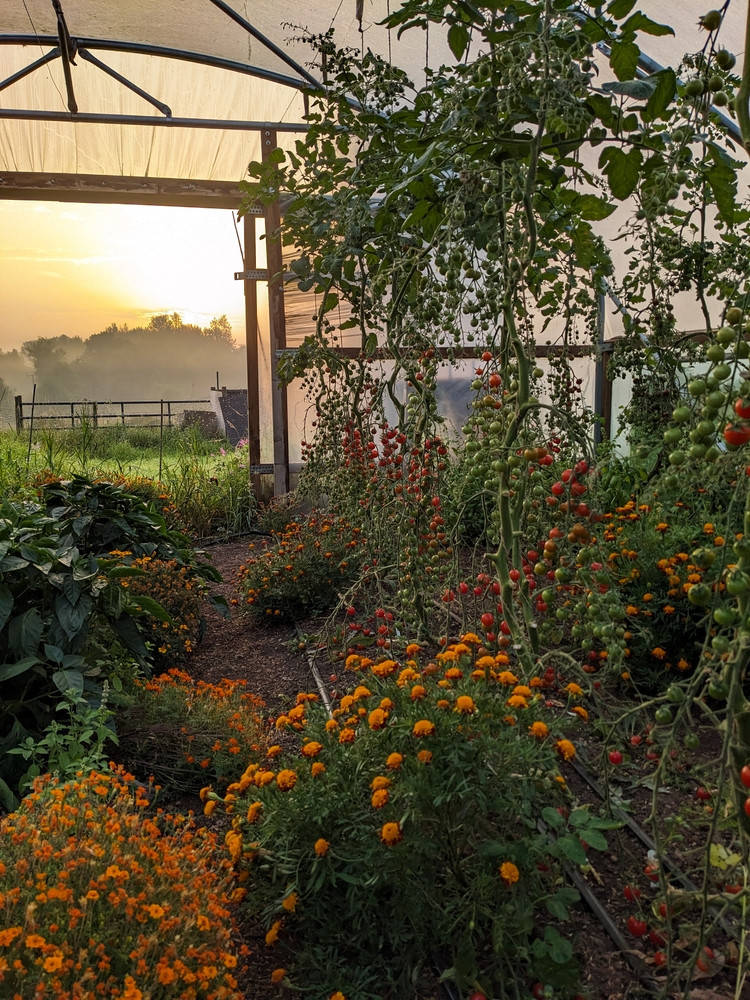
companion planting
4. Essential Maintenance: The Seasonal Checklist
A greenhouse is a structure exposed to the elements, and it requires regular maintenance to stay safe and efficient.
| Season | Maintenance Task | Why? |
|---|---|---|
| Spring | Check Glazing | Ensure all glass/panels are secure. Wind can cause rattling that eventually leads to breakage. |
| Summer | Apply Shading | Use blinds or a spray-on greenhouse shade to prevent leaf scorch during heatwaves. |
| Autumn | Clear Gutters | Remove leaves from gutters; connect them to water butts for free, soft rainwater. |
| Winter | Insulation Check | Add bubble wrap lining for tender plants to keep frost at bay without high heating costs. |
Pro Tip: Every three months, perform the "Structural Wiggle Test." Gently push on the frame. If it wobbles, tighten the bolts or clips. A loose frame is the first thing to fail during a storm. Additionally, oil any hinges on doors and vents annually to prevent rust and sticking.
5. Plant Compatibility Guide
Not all plants are built for the greenhouse environment. Understanding the needs of your crops will save you hours of frustration.
| Plant | Performance | The Homestead Secret |
|---|---|---|
| Tomatoes | Thrives | Train them vertically to save space and improve airflow. |
| Peppers/Chilies | Thrives | They love the heat. Keep them away from draughty doors. |
| Cucumbers | Thrives | Watch for red spider mites; they love the dry heat cucumbers create. |
| Succulents | Struggles | They prefer drier, cooler air; the greenhouse is often too humid. |
| Leafy Greens | Conditional | Great for "early season" harvests before the summer heat hits. |
| Large Shrubs | Struggles | They outgrow the space and shade out your productive crops. |
6. Layout: Maximizing Your Small Space
On an allotment, space is at a premium. Your layout should focus on ergonomics and vertical growth.
- Go Vertical: Use staging (benches) that allows you to store pots underneath and on top. Use the roof trusses to hang baskets of strawberries or herbs.
- Create a Work Zone: Dedicate one small corner for a potting bench. Keeping your compost, pots, and tools in one spot prevents the "clutter" that inevitably hides pests.
- Pathway Strategy: Never let your path become a storage area. If you can’t walk down the middle comfortably, you won't inspect the back of your plants—and that’s where the pests hide.
The Golden Rule: The Two-Week Quarantine
Every gardener has done it: you buy a beautiful plant from the local garden centre, and you rush to put it in your greenhouse. Don’t. That new plant is the number one cause of introducing whitefly or aphids into your sanctuary. Keep new arrivals on a windowsill or outdoor table for at least 14 days. If it looks healthy after two weeks, bring it inside.
A greenhouse is a living, breathing part of your homestead. Treat it with care, keep it tidy, and it will reward you with more fresh, home-grown food than you ever thought possible.